
Dog Evacuated From Ukraine Finally Trades Terror for Cuddles, Zoomies and a Safe Home
Guest Contributor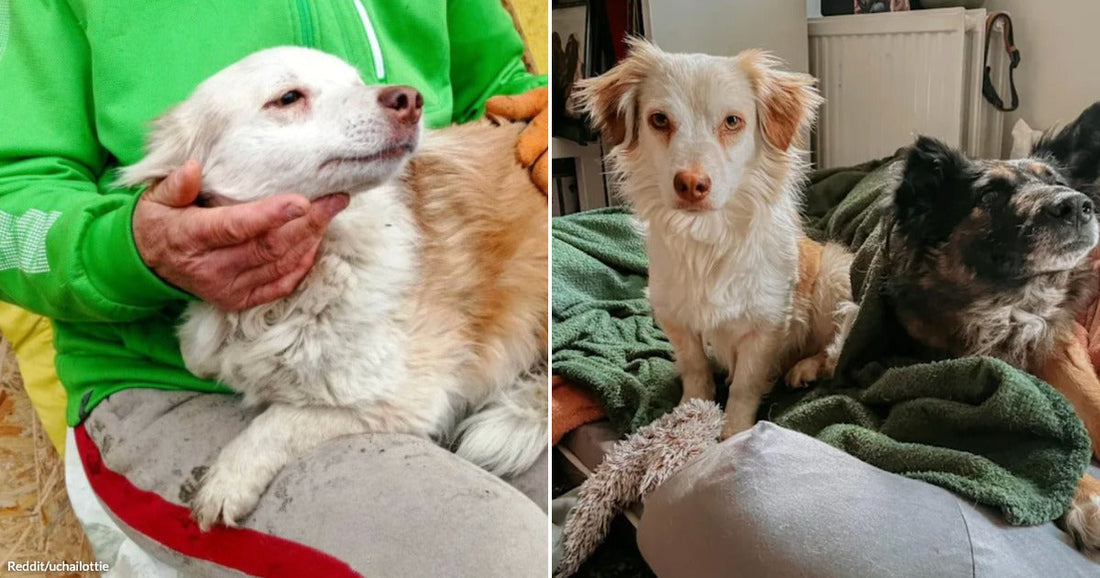
After more than a year of war in Ukraine, one small rescue dog has become an unexpected symbol of resilience and healing. Her name is Fika, and her journey from terrified survivor to joyful companion is resonating with animal lovers everywhere. At a time when “war rescue dog” stories often focus on the dramatic moment of escape, Fika’s story highlights something quieter yet just as important: the long, patient work it takes for a traumatized animal to feel safe again.
According to a post shared in Reddit’s r/BeforeNAfterAdoption community, Fika was one of several dogs evacuated from a shelter in Ukraine. A Belgium-based animal rescue reportedly sent a supply bus into the country, then filled it with as many dogs as possible on the return trip. Fika was among those pulled from the war zone and brought to safety. The images shared online show a small dog with gentle eyes, and many people were immediately drawn in by her expression and the story behind it. For anyone interested in pet adoption or dog trauma recovery, her transformation is both sobering and hopeful.

When she first arrived in her new home, Fika was described as severely traumatized. Her adopter shared that the little dog would often curl into a ball and shiver, shutting down completely. It is not difficult to imagine the sensory overload she had already experienced: the chaos of conflict, the uncertainty of shelter life, and the stress of transport across borders. By the time she reached her new family, her main coping strategy appeared to be retreat and stillness, a common pattern in animals who have survived prolonged fear.
Trust did not appear overnight. The adopter explained that progress with Fika came slowly and required a combination of patience, a stable routine, and professional guidance. Work with a dog trainer helped her navigate unfamiliar situations and learn new, safer associations with everyday experiences. Fika also had support from her foster brother, a dog named Buddy, whose presence reportedly gave her another source of comfort and social learning. Many guardians of shy or traumatized pets can relate to how a confident resident animal often becomes a quiet but powerful helper.

Reddit/uchailottie
Over time, small signs of change began to appear. Instead of curling up and trembling, Fika started to explore. Instead of freezing in place, she began to move through the house with curiosity. The adopter noted that she is now able to play, relax, and even tear around the home, a visible contrast with the shut-down dog who once seemed locked in survival mode. Those changes, shared in before-and-after photos, are what captured so many hearts online. I found this detail striking: the same dog who once seemed too frightened to move now gets what her adopter calls “the zoomies” at least once a week.
Her guardian described these zoomies as joyful bursts where Fika runs around with a sudden rush of energy, something many dog owners recognize as a sign of comfort and excitement. She is said to love cuddles and to greet familiar people with enthusiastic affection, as if she has not seen them in years. This kind of transformation is powerful precisely because it illustrates that fearful behavior is not always a fixed personality trait. In many cases, it is a response to trauma, uncertainty, or abrupt change.

Reddit/uchailottie
Stories like Fika’s matter because they reveal what often happens long after a dramatic rescue moment. Getting an animal away from immediate danger is only the start. For pets displaced by war, natural disasters, or even overcrowded shelters, emotional recovery can take weeks, months, or longer. Some dogs adapt quickly, while others need extensive time before their true personalities emerge. Fika’s experience shows that with a stable environment and consistent support, a dog who appears withdrawn can sometimes become lively and affectionate.
It is also a reminder of how deeply conflict can affect entire communities, including their animals. When people are forced to flee or struggle with disrupted infrastructure, pets and shelter animals often lose the familiar anchors of home and routine. Local rescuers in affected regions may face enormous strain as they try to provide food, shelter, and medical care with limited resources. International partnerships, such as the Belgium-based rescue that helped transport Fika and other dogs, become an important part of a much larger safety net.
For individuals who encounter fearful animals in shelters, Fika’s journey offers a hopeful perspective. The shy or shut-down dog in a kennel may not stay that way forever. With quiet spaces, predictable routines, and, when possible, guidance from qualified trainers, many animals can learn to feel secure again. Post-adoption care is not just a nice extra for sensitive dogs. It can be the element that determines whether they simply survive or truly thrive.
Even relatively simple interventions can help. A decompression period in a calm room, consistent feeding and walking schedules, and gentle exposure to new experiences at the dog’s pace may all support recovery. The source article highlights how Fika’s new home had the resources to give her time and space, and that investment paid off in her renewed ability to play and bond. In shelters and foster homes around the world, similar efforts are often quietly underway for animals carrying their own invisible histories.
Commenters responding to Fika’s story expressed how moving it was to see her progress. One person wrote that “Fika is adorable,” while another said it was lovely to see that she now has a safe home. Others noticed the change in her demeanor, with one user remarking that she looks at peace and thanking the adopter for giving her the time she needed. These reactions echo a shared appreciation for the work of adopters, foster carers, and rescue organizations that stay committed beyond the initial intake or transport.
The article also pointed out that there are many ways for people to support animals like Fika. Adopting or fostering is one route, but donating to reputable rescues, funding veterinary care, or even helping provide supplies such as crates and food can strengthen the network that allows vulnerable animals to find safety. Not everyone can bring a rescue pet into their home, yet collective contributions allow more dogs and cats to receive the patient care that makes healing possible.
Fika’s story does not erase the hardship that she and many others have endured, but it does offer a clear message: a difficult beginning does not have to define an animal’s entire life. With patience, structure, and compassion, a dog who once trembled in the corner can learn to sprint through the hallway with joy, curl up for cuddles on the couch, and greet loved ones as if every reunion is a celebration. Fika may be just one small dog from a shelter in Ukraine, yet her journey from fear to trust underscores the quiet, ongoing power of rescue work and the profound impact that a safe home can have on a life.