
From Neglect to Hope: 164 Miniature Schnauzers Rescued From Overwhelming Hoarding Nightmare
Guest Contributor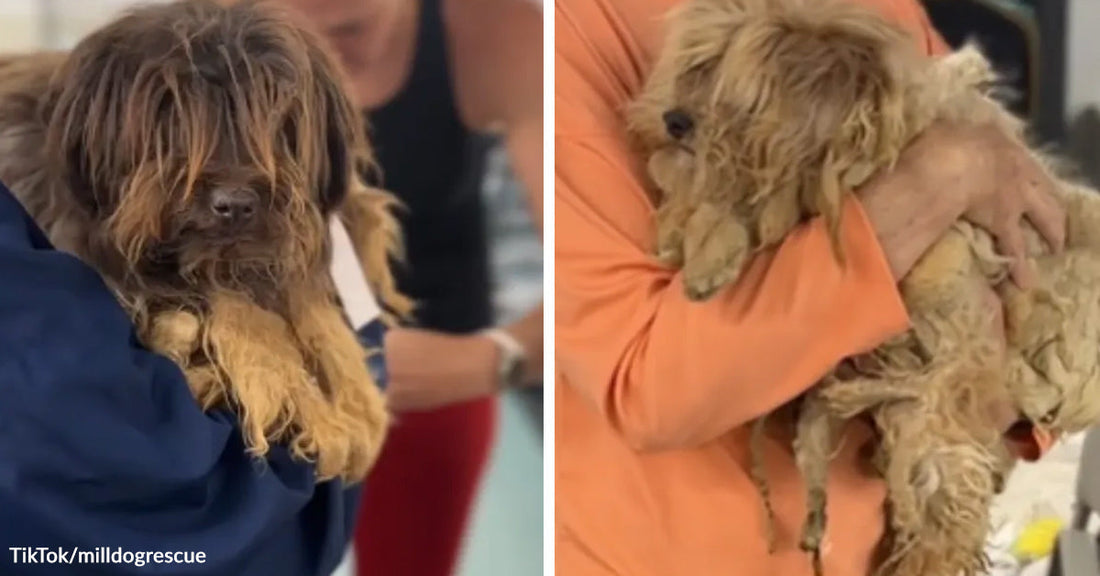
When rescue teams from National Mill Dog Rescue arrived at a remote Colorado property in June, they knew they were responding to a large-scale cruelty case. Even so, nothing in their 18 years of experience had prepared them for what they were about to confront. What they found was described as the worst situation the organization had ever seen: 164 miniature schnauzers and one pug trapped in conditions that make the term “puppy mill” feel far too gentle for the reality on the ground. For anyone who has ever loved a dog, the details of this rescue are difficult to read, yet they also illuminate the vital work of animal rescue groups and the ongoing fight against puppy mill cruelty.
According to National Mill Dog Rescue (NMDR), a nonprofit in Peyton, Colorado devoted to rescuing, rehabilitating, and rehoming discarded breeding dogs, the call for help came on June 19. The Colorado Bureau of Animal Protection had uncovered a suspected commercial breeding operation involving more than 100 dogs. Officials needed immediate assistance. The organization agreed to step in, accustomed as they were to the grim reality of substandard breeding facilities. What awaited them was worse than anything in their long history of saving more than 24,000 dogs.

Staff and volunteers discovered the dogs living in small outdoor enclosures, each roughly 4 by 8 feet, layered with muck and feces. These were not temporary holding pens but the animals’ entire world. Their only protection from scorching summers and punishing winters was warped construction metal, barely resembling shelter. Food was tossed on the ground among the filth and many of the water dishes did not actually contain water. Rescuers reported bowls filled with sludge and, in some cases, dead mice.
The physical state of the animals told the story of long-term neglect. More than 100 of the dogs were so severely matted that simple movement had become an ordeal. Some could not walk normally. Others could not relieve themselves or lie down without pain. One particularly haunting detail involved a dog whose water bowl had become tangled in their fur, forced to drag it behind them like a weight. I found this detail especially striking, because it captures in one image how everyday necessities had turned into instruments of suffering.
From what rescuers pieced together, the dogs had likely been used for breeding, with their puppies sold online or through pet stores. At some point the breeding appears to have stopped, but the dogs were left behind and essentially abandoned in place. They were not properly fed, groomed, or given veterinary care. They simply existed in their enclosures, living in their own waste, increasingly trapped inside their own coats. It is a familiar pattern in puppy mills and large-scale breeding operations where animals are treated as a means to an end, then discarded when they are no longer profitable.
This case also sits against a wider national backdrop. Shelter Animals Count, a nonprofit that specializes in data on animal sheltering in the United States, estimated in 2024 that there are more than 10,000 puppy mills operating across the country. While not every breeding facility is identical to this Colorado case, the number alone suggests an enormous population of dogs whose lives may be shaped more by production demands than by humane care. Stories like this one help illustrate what those numbers can mean in real terms.
Once the Colorado dogs were removed from the property, the pace of work did not slow. NMDR transported all 165 dogs back to their shelter in Peyton and immediately launched what they described as emergency action. Local grooming professionals joined forces with the rescue team. Within the first 72 hours they shaved down 110 of the most severely matted dogs. In total, nearly 200 pounds of filthy, compacted fur were removed. That is an average of about 1.5 pounds per dog, a staggering amount considering the relatively small size of miniature schnauzers.
Rescuers emphasized that this grooming was not cosmetic. It was lifesaving. Once the mats were removed, they found sores, embedded debris, and hidden injuries. In some cases, the matting had created such pressure and restriction on limbs that amputation may ultimately be necessary. Veterinary teams now face a long list of needs that includes extensive dental procedures, removal of masses, treatment of eye and ear infections, and ongoing pain management.
Despite intensive efforts, not every dog could be saved. One dog was humanely euthanized due to a severe uterine infection and a large mass in her abdomen that could not be removed. Her condition illustrates how far unchecked medical issues can progress in environments where animals receive little to no veterinary attention. Even in a story focused on rescue and hope, there are individual losses that underscore the cost of long-term neglect.
To make space for the sudden influx of dogs, NMDR constructed a temporary Modular Assembly Shelter on site. A local humane society loaned 50 wire crates, and a nearby business provided a transport van, turning the rescue into a community effort. The dogs, finally in a safe and clean environment, slept for two full days. For many, it was likely the first time they experienced uninterrupted rest on a clean surface. They also received proper baths and gentle handling meant to help them begin to feel secure.
Rescuers described a wide range of emotional responses from the schnauzers. Some remained fearful and unsure, understandably wary after their experiences. Others started to show early signs of trust and curiosity. Their resilience, even after years in such dire conditions, left the team in awe. The emotional recovery ahead will be just as important as the medical care, and patient adopters and foster homes will play a crucial role in that healing.
Now that the dogs have been legally surrendered to NMDR, their longer journey can truly begin. Once they are stable, many will undergo spay or neuter surgeries. Some will likely be transferred to trusted rescue partners to help with the process of finding permanent homes. NMDR also plans a schnauzer themed adoption event specifically designed to highlight these dogs and connect them with families ready to provide consistent, compassionate care.
For those who want to support this group of miniature schnauzer rescues, there are several opportunities. NMDR has created a dedicated rescue fund to help cover the extensive medical costs and ongoing care. The organization has also shared a TikTok video documenting the rescue, which has already been viewed hundreds of thousands of times. Even simple actions such as watching, liking, or sharing can help spread awareness about puppy mill cruelty and highlight the importance of adopting dogs from shelters and rescue organizations.
Ultimately, this story is shaped by both heartbreak and hope. On one side is the reality of 165 dogs who endured years of neglect in a suspected commercial breeding operation. On the other is the rapid, coordinated response of rescuers, groomers, veterinarians, and community members determined to give those dogs a future. The road ahead will be long but at least now these animals have a chance at safe, loving homes. Their story serves as a reminder that while large scale cruelty can feel overwhelming, collective action and sustained attention can transform individual lives in profound ways. Read more at Newsweek