
🚨Urgent: Missile Strikes Shelter in Ukraine! Rush Emergency Aid!
From Shelter Fear to Playful Pup: How Flapjack Found Hope and Healing
Guest Contributor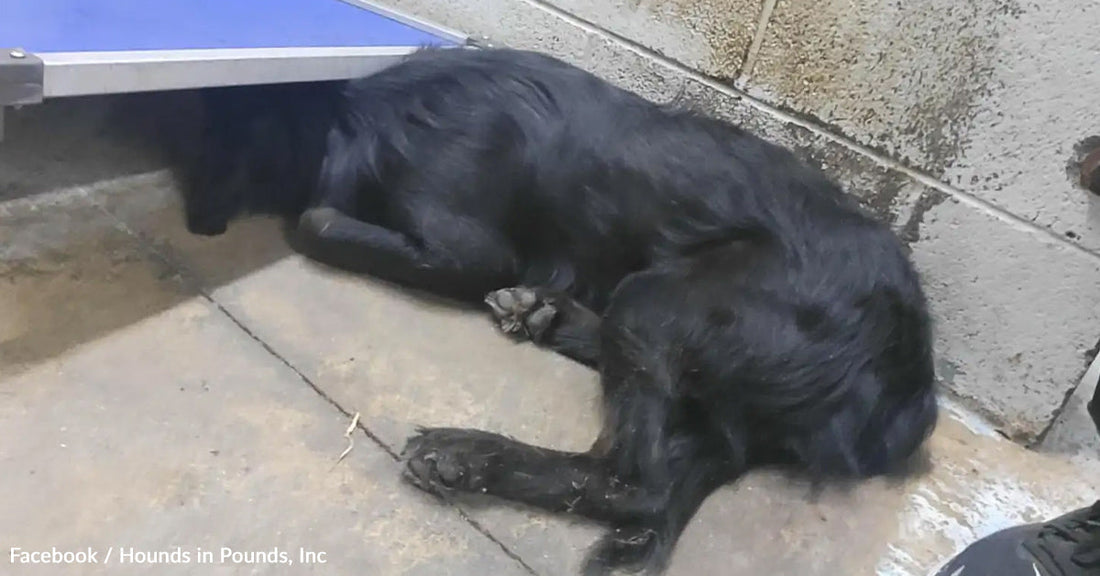
When Flapjack arrived at the shelter, he was a shell of the dog he would later become. The 1-year-old pup, found as a stray, was overwhelmed by the unfamiliar sights, sounds, and smells of the kennel. He flattened himself against the cold cement floor, trembling and hiding his head beneath a cot. Staff at the shelter noted that he wouldn’t make eye contact or lift his head—clear signs of a dog deeply shut down by fear. For many dogs like Flapjack, the stress of the shelter environment can mask their true personalities, making it difficult for them to connect with potential adopters.

Recognizing that Flapjack needed more than the shelter could offer, staff reached out to Hounds in Pounds, a nonprofit foster-based rescue organization that provides veterinary care and behavioral support for dogs in need. The rescue’s founder and president, Cat Suzuki, quickly agreed to take him in. “Flapjack was so shut down,” Suzuki told The Dodo. “He wasn’t going to get adopted like that.”
Flapjack was transferred to Chapin Veterinary Hospital in South Carolina, part of the Hounds in Pounds network. There, he met Dr. Parnell, a veterinarian with experience working with fearful animals. Her first impressions of Flapjack were sobering. “He was crouched down,” she recalled. “He wouldn’t look at you. He wouldn’t keep his head up.”
Dr. Parnell began by treating Flapjack for fleas and ticks, helping to clear up his skin. But her work didn’t stop at physical care. She also focused on socialization, gradually introducing him to new people, dogs, and environments. This kind of gentle exposure therapy is essential for dogs who have experienced trauma or neglect. Over the course of two weeks, Flapjack observed other dogs playing, slowly building the confidence to join in. When he finally did, it marked a turning point in his recovery.
I found this detail striking: the moment a fearful dog chooses to engage with the world again is often subtle but deeply meaningful. For Flapjack, it was a simple act of play that revealed his readiness to reconnect.
Hounds in Pounds shared a video of Flapjack prancing happily around the vet’s office on their Facebook page. The transformation was remarkable. “He opened up pretty quickly,” Dr. Parnell said. Once withdrawn and afraid, Flapjack now displayed a playful, energetic personality. He loved interacting with people and other dogs and enjoyed outdoor activities like hiking and running.
Suzuki wasn’t surprised by the change. “Shelter dogs never surprise me,” she said. “They’re just amazing, resilient creatures. I’m telling you, their will to survive and overcome is amazing. One of my favorite things is watching them blossom and become who they’re supposed to be.” Her words highlight the resilience of shelter dogs and the importance of giving them time and space to heal.
Now medically cleared and emotionally ready, Flapjack moved into a foster home. His new environment includes a large, fenced yard and two Labrador retrievers with whom he loves to play. “He needed a place where he could go and run, and that’s what he ended up with,” Dr. Parnell said. The hope is that this foster placement will become permanent, offering Flapjack the stability and companionship he needs to thrive.
Flapjack’s story is a powerful reminder of the importance of patience and compassion when working with shelter animals. Many dogs, especially those who have lived as strays or experienced trauma, may not immediately show their true selves in a kennel setting. Dr. Parnell emphasized this point: “Just give them a chance. A lot of people don’t give them enough time.”
For those considering adoption, Flapjack’s journey illustrates why it’s essential to look beyond initial impressions. A dog who appears timid or withdrawn may simply need a quieter space and a bit of encouragement to reveal their full personality. Rescue groups like Hounds in Pounds play a crucial role in facilitating these transformations, offering dogs the medical care and behavioral support they need to succeed in a home environment.
Supporters can follow Flapjack’s continued journey and learn more about Hounds in Pounds through their website and social media channels. Stories like his underscore the resilience of shelter dogs and the life-changing impact of foster care and compassionate veterinary treatment.