
More Than 125 Dead Dogs Were Found At One Property
Guest Contributor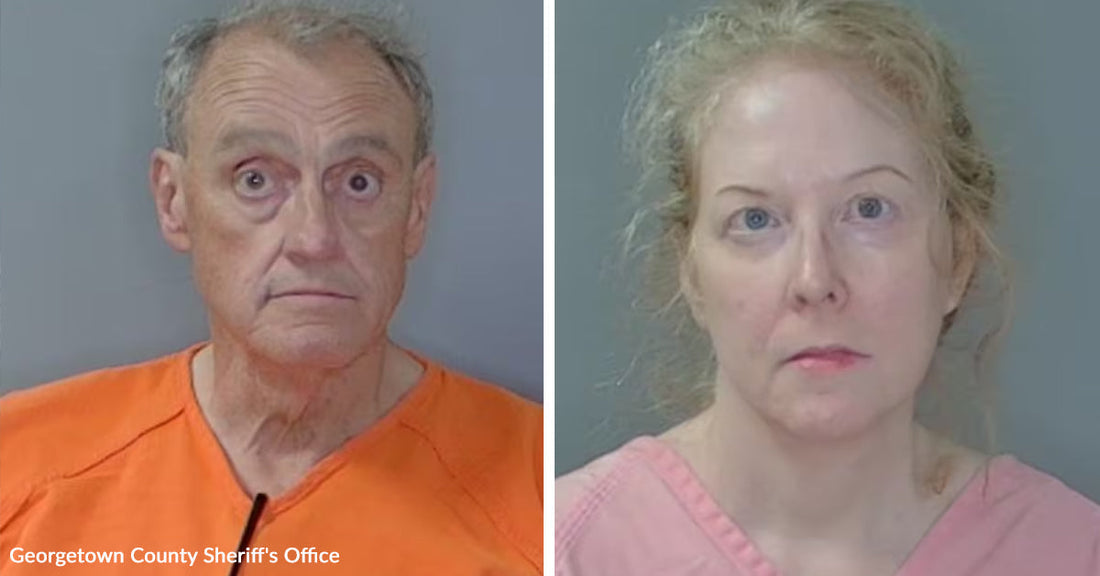
The animal cruelty case unfolding in Georgetown County, South Carolina, is difficult to read about, and even harder to fully comprehend. Investigators with the Georgetown County Sheriff’s Office report finding over 100 dogs living in poor conditions in a single home, and later revealed a second, even more disturbing discovery: the remains of more than 125 deceased dogs on the same property. For anyone who cares about animal welfare or follows animal cruelty cases, this situation in Georgetown County is a sobering reminder of how urgently communities must respond when pets are at risk.
According to the sheriff’s office, the investigation began after more than 50 dogs were abandoned at various locations throughout the county over a period of about two weeks. Those incidents raised immediate concern for local authorities, who then traced the animals back to a residence on Duck Pond Place in the Wedgefield area of Georgetown County. What they found there quickly turned a troubling pattern of abandonment into a major animal cruelty case.

Investigators say they removed 107 dogs and 11 cats from the home. These living animals were reportedly kept in poor conditions that prompted authorities to involve multiple agencies and animal welfare groups. The Georgetown County Sheriff’s Office described this as an ongoing investigation and signaled that the initial charges might only be the beginning of a broader case. For readers familiar with large-scale animal neglect or hoarding situations, the scale alone stands out as extraordinary.

Georgetown County Sheriff's Office
The next day, deputies shared the discovery that stunned even seasoned observers: the remains of more than 125 dead dogs were also found on the property. Details about how long the animals had been there or the cause of death have not been publicly reported, but authorities did announce that some of the charges involve improper burial of animals. It is the combination of living animals in distress and such a large number of deceased dogs that makes this Georgetown County animal cruelty case particularly harrowing.
Two people, identified as 70-year-old Ralph Moody and 50-year-old Kimberly Moody, were arrested in connection with the situation. The sheriff’s office reports that both were charged with conspiracy, ill treatment of animals, animal cruelty, and improper burial of animals. Their bond hearing was scheduled for Friday afternoon, and investigators indicated that additional charges are anticipated as the full extent of the evidence is examined. As with many animal cruelty cases, the legal process is likely to unfold over time, with state and local authorities working to determine exactly what happened and who is responsible.

Georgetown County Sheriff's Office
On the ground, law enforcement and animal welfare professionals are now focused on two urgent tasks: caring for the surviving animals and preparing a strong case for prosecution. The dogs and cats removed from the home have been placed under the care of Georgetown County Animal Control and various animal welfare organizations. These groups often face significant strain in situations like this, since they must quickly find space, medical care, and supplies for large numbers of animals that may arrive with health, behavioral, or emotional challenges resulting from neglect.
The South Carolina Law Enforcement Division (SLED) Animal Division, the ASPCA, and St. Frances Animal Center are all assisting. Their involvement suggests a coordinated approach that combines investigative expertise with practical support for the animals. SLED’s Animal Division can provide specialized knowledge in cruelty cases, while the ASPCA and St. Frances Animal Center focus on rehabilitation, foster placement, and long-term housing solutions. When so many dogs are found in poor living conditions, it can take a network of organizations to stabilize the situation and prevent further suffering.
St. Frances Animal Center has outlined several urgent needs to support the rescued dogs. The shelter reports that it currently requires small-breed dog food, specifically Pedigree small dog food, to help feed so many new arrivals. It also needs stainless steel dog bowls, leashes, collars, and dog shampoo, all essentials for basic care and cleanliness. Large rescues like this one mean an immediate spike in daily work for staff and volunteers, so the shelter is also asking for water and sports drinks such as Gatorade for volunteers, along with support from mobile groomers who can help with bathing and grooming the animals.
Community support often plays a critical role in responding to major cruelty and neglect cases. In Georgetown, donations for the animals can be dropped off at St. Frances Animal Center at 125 N. Ridge St. during regular business hours. While not everyone can adopt or foster an animal, practical contributions like food, supplies, or time as a volunteer make a real difference in how quickly the animals can be stabilized, vaccinated, groomed, and moved into more permanent arrangements. I found the detail about needing even basics such as bowls and leashes particularly striking, because it illustrates how even a well-prepared shelter can be stretched thin by an influx of over 100 animals at once.
For residents in Georgetown County, this case may prompt difficult conversations about how animal neglect can go unnoticed or unreported until it reaches a crisis point. In many communities, neighbors or passersby may see small signs that something is wrong long before law enforcement steps in. Increased awareness about the signs of animal hoarding, chronic neglect, or abandonment can help ensure that reporting happens sooner, giving authorities a better chance of intervening before a situation escalates to the level seen in this investigation.
At the same time, the collaboration between law enforcement and animal welfare organizations in Georgetown County shows how a coordinated response can begin to address both the legal and humanitarian sides of a cruelty case. Investigators are focusing on holding the responsible parties accountable, while shelters and rescue groups concentrate on providing safety, care, and eventually new homes for the animals. That process will not be quick. Many of the dogs may need medical treatment, behavioral assessments, spay or neuter surgeries, and time to recover in foster or shelter environments before they are ready for adoption.
As officials continue to work, the Georgetown County Sheriff’s Office has stated that more information will be released as the case develops. For now, the public record paints a picture of a deeply troubling situation involving more than 100 rescued dogs and cats, over 125 deceased dogs, and a community being asked to rally around the surviving animals. Those who wish to help are encouraged to support reputable local shelters and animal welfare organizations, follow updates from law enforcement, and remain vigilant in reporting signs of neglect. In doing so, residents can contribute to both immediate relief for the animals and longer-term prevention of future cruelty cases in Georgetown County and beyond.