
🚨Urgent: Missile Strikes Shelter in Ukraine! Rush Emergency Aid!
Federal Jury Convicts Dog Fighting Breeder On Sixty Nine Counts
Guest Contributor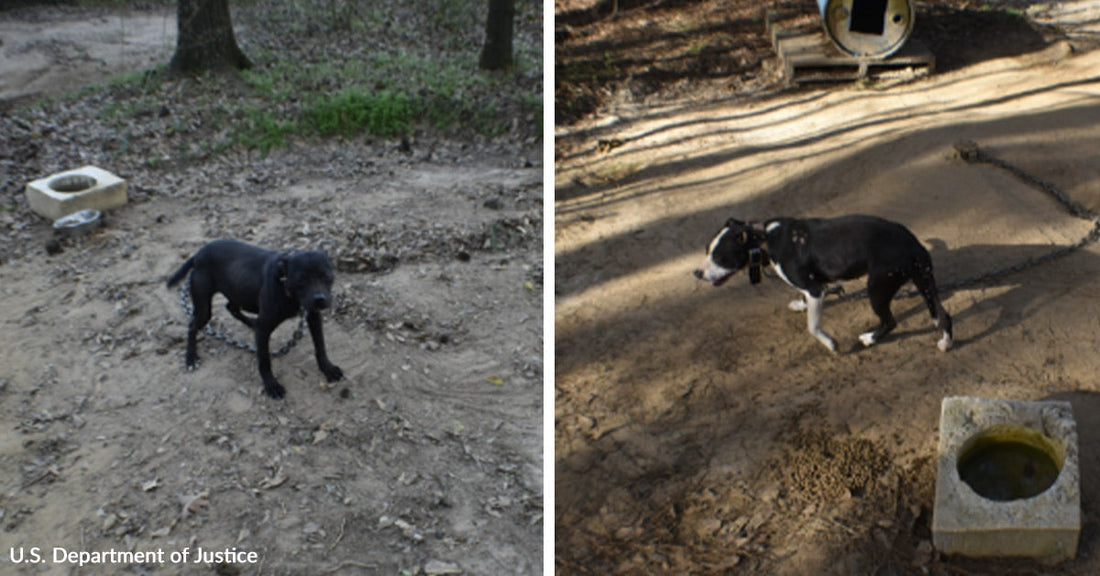
The recent conviction of a Georgia man on 69 federal counts in a dog fighting case has brought renewed attention to the brutal realities of organized dogfighting and its ties to other serious crimes. At the center of the case is Dun Bradford of Sale City, Georgia, a well-known dog-fighting breeder and trainer in Southwest Georgia, found guilty of 67 counts of possessing a dog for use in an animal fighting venture, along with drug and firearm offenses. For anyone concerned with animal welfare and community safety, this case illustrates how dog fighting operations can devastate both animals and neighborhoods.
According to information presented at trial, the investigation began with a citizen complaint about animal tethering and neglect at Bradford’s 17-acre property. Local authorities from the Mitchell County Sheriff’s Office and Code Enforcement Office responded and found many pit bull type dogs outside the residence, restrained on heavy chains. Some of the animals were visibly aggressive toward one another, a sign investigators later linked to dog fighting. This initial call from the community triggered a coordinated response involving federal agencies and animal welfare experts.

After obtaining search warrants, agents from the U.S. Department of Agriculture and the U.S. Marshals Service entered the property. They rescued 67 dogs kept on chains, many without access to food, water, or shelter. Numerous dogs bore recent injuries and scars consistent with organized dog fighting. One dog had severe, fresh wounds that investigators connected directly to recent fighting activity. For those familiar with the realities of animal cruelty, the description of chained dogs without basic care and with clear signs of battle injuries paints a distressing picture of systematic abuse.
The search revealed much more than neglected animals. A shed on the property contained extensive dog fighting equipment and supplies. Investigators reported finding veterinary drugs and devices, anabolic horse steroids, and a “breeding stand” used to forcibly breed dogs. They also found training and execution items and paper pedigrees that documented the fighting history of the animals. Evidence presented at trial showed that Bradford’s property had been used for a long time to breed and train dogs specifically for fighting, turning the location into a hub for a cruel and illegal enterprise.
Inside Bradford’s residence, authorities uncovered firearms and crack cocaine, along with evidence that the drugs were manufactured in his kitchen. This discovery aligned with a pattern that law enforcement officials often describe. U.S. Attorney William R. “Will” Keyes for the Middle District of Georgia stated that the “cruel and inhumane realities of dogfighting are closely linked to illegal drugs, firearms and other serious crimes.” The charges in this case reflect that connection, combining animal fighting counts with drug manufacturing and weapons charges.
Senior officials emphasized the collective nature of the investigation and prosecution. Principal Deputy Assistant Attorney General Adam Gustafson of the Justice Department’s Environment and Natural Resources Division highlighted that Bradford had “garnered a reputation as a dog fighting breeder and trainer” and called dog fighting an “especially brutal pursuit.” Gustafson underscored that the conviction resulted from local, state, and federal agencies working together to rescue abused dogs and remove a “notorious player” from the dog fighting criminal enterprise. I found this detail striking because it shows how cooperation across agencies can be crucial in complex animal welfare cases.
U.S. Marshal Stephen Lynn for the Middle District of Georgia also stressed the importance of collaboration. He noted that the case demonstrates the “good results achieved” when multiple law enforcement levels coordinate efforts to rescue dogs suffering at the hands of individuals involved in dog fighting and related crimes. Lynn emphasized that the U.S. Marshals Service remains committed to supporting such efforts and to ensuring that rescued canines are placed in protective custody, which offers them a chance at a better life. That focus on both accountability and rehabilitation reflects a broader understanding that dog fighting is not only a criminal offense but also a serious animal welfare crisis.
The U.S. Department of Agriculture’s Office of Inspector General played a key investigative role as well. USDA OIG Special Agent-in-Charge Miles Davis expressed appreciation for the partnership with law enforcement and prosecutors, and affirmed that the office is committed to investigating individuals who “choose to participate in animal fighting activities and engage in violations involving animal welfare.” The acknowledgment of cooperation with the U.S. Marshals Service, the Mitchell County Sheriff’s Office and Code Enforcement Office, the Georgia Bureau of Investigation, the Middle District of Georgia, and the Justice Department’s Environment and Natural Resources Division illustrates how complex a large-scale dog fighting case can be.
From a legal standpoint, Bradford’s conviction carries severe potential consequences. He faces a maximum penalty of life in prison, with sentencing to be scheduled at a later date. The case has been prosecuted by Senior Trial Attorney Ethan Eddy of the Environmental Crimes Section within the Environment and Natural Resources Division, working alongside Criminal Chief Leah McEwen from the U.S. Attorney’s Office for the Middle District of Georgia. Their work fits within a broader federal strategy that treats dog fighting as intertwined with organized crime, drug trafficking, and weapons offenses.
This prosecution is part of Operation Take Back America, a nationwide initiative that harnesses the full resources of the Department of Justice to combat violent crime and organized criminal activity. The initiative coordinates efforts from Organized Crime Drug Enforcement Task Forces and Project Safe Neighborhoods in order to disrupt transnational criminal organizations and protect communities. Placing a dog fighting case within this framework signals how seriously federal authorities view animal fighting, recognizing its role within a network of illegal drug, firearm, and violent offenses.
For communities, this case underscores several important points. It highlights the role of a concerned citizen, whose report of possible neglect prompted an investigation that uncovered a long-running dog fighting operation. It also demonstrates that dog fighting investigations can reveal evidence of other illicit activities, including drug manufacturing and illegal firearms. Finally, it shows that when law enforcement agencies work together, they can both dismantle dangerous operations and provide a path to safety for animals that have endured cruelty.
Stories like this are disturbing, yet they also provide a clear example of accountability in action. Federal and local partners identified a dog fighting breeder and trainer, documented extensive evidence of animal cruelty and associated crimes, and secured a conviction that may prevent further suffering. For those seeking to end dogfighting and related abuse, this case offers a reminder that vigilance, community reporting, and coordinated enforcement can make a measurable difference for animals and for public safety.
Read more at https://www.justice.gov/opa/pr/georgia-man-guilty-69-counts-dog-fighting-case