
Soft Meow Leads Rescuers To A Cat Trapped For Four Days After Deadly Brooklyn Collapse
Guest Contributor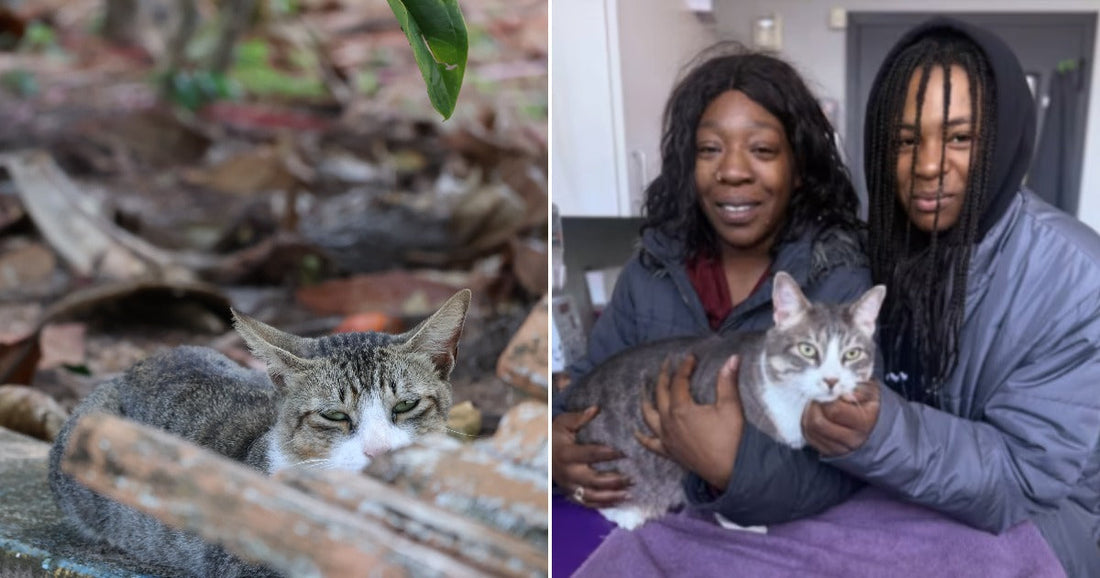
A quiet cabinet beneath a kitchen sink is not where anyone expects to find a story of survival and love, yet that is exactly where one Brooklyn family’s hope was finally answered. In the aftermath of a deadly Brooklyn building collapse, a missing cat named Isaac was discovered alive, turning a grim week of news into a small but deeply meaningful moment of relief. This reunion between a 13-year-old girl and her rescued cat unfolded against the larger backdrop of tragedy, grief, and investigation, serving as a reminder of how powerful the bond between humans and animals can be even in the worst of circumstances. For many people following the Brooklyn building collapse, this cat rescue became a rare bright spot in a painful story.
The collapse took place on a Wednesday along Flatbush Avenue in Brooklyn, tearing off the side of a residential building and leaving surrounding homes too unsafe for residents to enter. Eight people lost their lives, 18 others were injured, and nearby buildings, including the one where 13-year-old Zariah Coleman lives, had to be evacuated. What had been an ordinary home was suddenly transformed into a disaster zone, with holes where bedroom walls had stood and possessions left behind. For Zariah, one of those precious things left inside was her beloved cat Isaac, who vanished after the collapse.

Zariah and her family were not allowed to go back inside the damaged building, and the uncertainty about Isaac’s fate hung heavily over them. The girl shared her heartache openly at a news conference two days after the collapse, explaining that she believed her cat was hiding and scared somewhere in the wrecked apartment. She pleaded publicly for help, saying she hoped people would return to find him. Her words gave voice to a kind of loss that does not always make headlines, yet feels immeasurable to those living it. In a week already defined by sorrow and fear, her appeal for Isaac highlighted how disasters disrupt not only physical safety but also the intimate bonds of everyday life.
Behind the scenes, New York City officials and animal welfare advocates were already working to respond to that plea. Allie Taylor, director of the Mayor’s Office of Animal Welfare, coordinated with the nonprofit veterinary group Flatbush Cats to launch a careful search. The damaged building was unstable and dangerous, so entering it required special precautions. A staff member from Flatbush Cats put on a helmet and respirator, then stepped into the precarious remains of the apartment building in hopes of locating the missing cat and reuniting him with his family.

It was not clear whether Isaac had survived four days without food or water inside a home that had partially collapsed. Still, the team continued cautiously, listening for any sign of life amid the rubble and shattered walls. Their persistence paid off when they heard a soft meow coming from inside Zariah’s apartment. Guided by that faint sound, workers searched the kitchen and finally discovered Isaac inside a cabinet under the sink, alive after several harrowing days alone.
For Zariah, waiting outside the building, the moment of reunion came as workers carried Isaac out in a cage. The accounts describe her hugging the carrier tightly, a simple gesture filled with gratitude and relief after days of fear and uncertainty. Isaac, who had endured four days shut inside a damaged apartment with no access to food or water, was immediately taken to Flatbush Cats’ veterinary clinic. There he began receiving the medical care he needed following his ordeal. Zariah later shared that she had held onto faith that her cat would be found, saying she had it in her heart that rescuers would reach him and bring him home.

Flatbush Cats
Local leaders also took a moment to acknowledge what this reunion meant for a city processing a profound loss. Mayor Zohran Mamdani highlighted the outcome on social media, recognizing the role of the Mayor’s Office of Animal Welfare, the city’s Buildings Department, and Flatbush Cats in making the rescue possible. He noted that Isaac was in the hands of veterinary professionals and receiving care. The story of a girl reunited with her cat resonated with many people who had watched images of the collapse and its aftermath, providing a small measure of warmth in an otherwise somber news cycle.
In many disaster responses, human safety and structural stability understandably come first. Yet this story shows how rescuers and city agencies also try to honor the profound emotional connections that people have with their pets. The Flatbush cat rescue did not change the stark realities of the collapse, but it did offer a glimpse into how coordinated efforts between public offices and animal welfare organizations can support families in more holistic ways. When an animal is saved, especially after several days of uncertainty, it often brings comfort that words alone cannot provide.
At the same time, the larger picture in Brooklyn remains serious and unresolved. A memorial now stands in front of the collapsed building on Flatbush Avenue, honoring the eight people who lost their lives there. Flowers, candles, and tributes mark the spot where a normal day turned tragic, reflecting the grief of families, neighbors, and the broader community. The city continues to investigate what went wrong at an adjacent construction site, where workers had been digging at the time of the collapse. Questions about building safety, oversight, and responsibility are now the focus of official scrutiny.
Viewed as a whole, this story holds both pain and resilience. The Brooklyn building collapse brought devastating loss of life and long-term displacement for residents, including Zariah and her family. At the same time, the safe return of a missing cat revealed how compassion can persist even amid structural devastation. Isaac’s survival inside a cabinet under the sink, discovered only because searchers kept listening and looking, illustrates the quiet persistence of hope that often exists alongside tragedy.
I found this detail striking: a child’s public plea for help on behalf of a frightened cat helped mobilize a search that might otherwise have seemed impossible within such dangerous ruins. It underscores how voices, even young ones, can shape what is prioritized during recovery. As Brooklyn continues to heal and seek answers, Isaac’s rescue will likely remain one of the most remembered moments from this event, a story people share when they talk about the collapse, the memorial on Flatbush Avenue, and the community’s response.