
🚨Urgent: Missile Strikes Shelter in Ukraine! Rush Emergency Aid!
Viral Video Leads To Court Appearance In Cruelty Case
Guest Contributor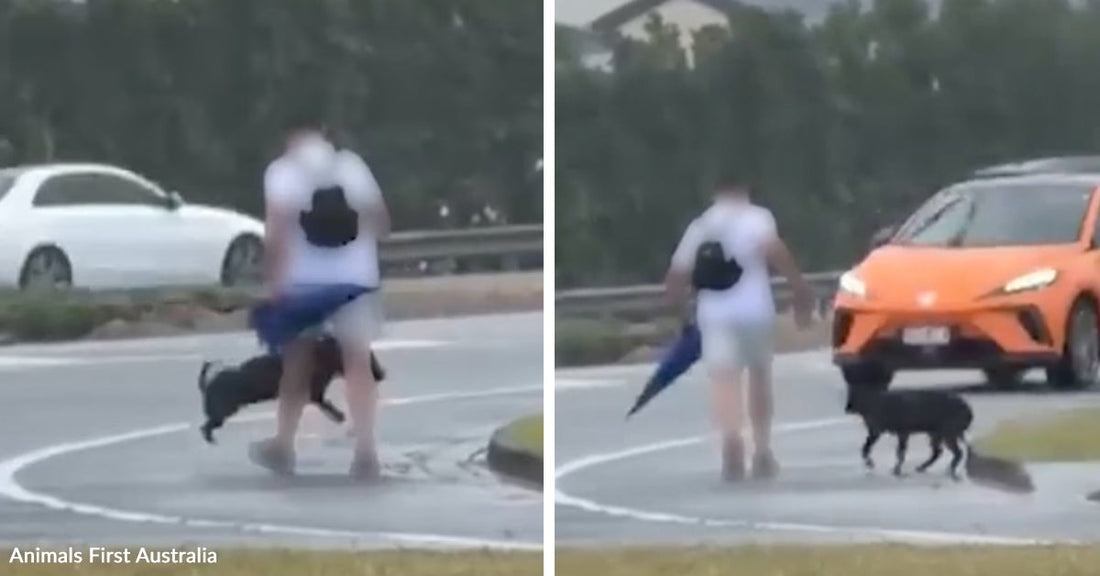
A distressing incident on a busy Queensland commute has once again thrown a spotlight on animal cruelty in Australia. A 41-year-old man from Broadbeach Waters has been charged with animal cruelty after he was allegedly filmed kicking, dragging and at one point appearing to swing a dog while walking along a busy street on the Gold Coast. The case, which unfolded on Hooker Boulevard at Broadbeach, has sparked strong reactions online and renewed discussion around animal welfare laws and community responsibility.
According to police, the alleged incident occurred around 9.15am on April 30, at a time when many people were out and about. Witnesses reported seeing the man mistreat a dog while walking along the road, an area that would usually be filled with commuters, shoppers and locals starting their day. The charge of animal cruelty followed footage that quickly gained attention after being shared online, underscoring how frequently bystanders now turn to phones and social media to document suspected abuse.

Queensland Police stated that the man has been formally charged and is scheduled to appear before the Southport Magistrates Court on May 18. While court proceedings will determine how the allegations are resolved, the charge alone signals that authorities are taking the incident seriously. The dog at the center of the alleged abuse has been removed from the man’s care and placed with the RSPCA, a step many animal lovers will likely see as critical for the animal’s immediate safety and wellbeing.
Reports about the incident were first made to Animals First Australia, an organisation that advocates for animals and encourages the public to report cruelty when they see it. The group later posted about the situation on Facebook, describing what was seen in the videos that circulated online. In their account, the dog was allegedly “kicked, yanked, dragged, and at one point lifted and swung before being kicked again.” They further reported that “multiple videos capture the incident, with the dog actively resisting and trying to get away.” These details paint a deeply troubling picture and help explain why the footage prompted strong emotional reactions from viewers.
Although there is still much that is not publicly known about the circumstances around this case, the core allegation of abuse serves as a stark reminder of how vulnerable animals are in human care. I found the reference to the dog “actively resisting and trying to get away” particularly striking. It highlights the power imbalance inherent in most human and animal relationships and the responsibility that comes with that power. When that responsibility is ignored or abused, the consequences for the animal can be both immediate and long lasting.
This incident has also brought renewed attention to the role of bystanders in addressing suspected cruelty. People who witness animal mistreatment on a public street can feel torn between concern for the animal, uncertainty about how to intervene safely and a desire to gather evidence. In this case, multiple videos were recorded that appear to have been vital to alerting authorities and advocacy groups. While not everyone feels comfortable stepping directly into a confrontation, documenting events and reporting them to organisations such as the RSPCA, Animals First Australia or local police can be a concrete way to act.
The fact that the dog is now in the care of the RSPCA provides at least a small sense of reassurance amid a disturbing story. Rescue and welfare organisations often become the last line of protection for animals who have allegedly suffered neglect or abuse. They are tasked not only with providing immediate veterinary care and safety but also with carefully assessing the animal’s physical and emotional state. For many readers, knowing that this particular dog is out of immediate danger will be a crucial detail.
This case also sits within a broader national conversation about how Australia responds to animal cruelty, both in law and in culture. Stories of abuse often prompt public calls for stronger penalties and tighter enforcement, but they also raise quieter questions about prevention. How can communities better recognise early signs of mistreatment. How can education improve understanding of an animal’s basic needs and emotional life. While the article focuses on this single incident, it taps into ongoing concerns that animal welfare advocates regularly bring forward.
It is also important to recognise the emotional toll that such footage can have on the public. Graphic or upsetting videos tend to spread quickly on social media, generating outrage and heartbreak in equal measure. Some people choose not to watch at all, while others feel compelled to see the full context. For those who do view it, responding constructively can mean channeling those emotions into practical support for animal welfare efforts, such as volunteering, donating to rescue groups or simply remaining vigilant in one’s own community.
The Gold Coast dog video has become one more example of how modern technology and social platforms can expose cruelty that once might have remained hidden. It has led to a charge of animal cruelty, a pending court appearance and a dog now under the protection of welfare professionals. As the legal process moves forward, observers are left with a clear reminder: what happens in public spaces is no longer easily ignored, and the camera in a passer-by’s pocket can become a powerful tool for accountability.
Ultimately, while the details of this case are distressing, they also underscore a core principle that many people share. Animals deserve to be treated with care, respect and kindness. When that standard is not met, it falls to individuals, communities, advocacy organisations and authorities to step in. Whether by reporting incidents, sharing verified information or supporting groups dedicated to protecting animals, each person has the potential to play a small part in creating a safer world for the animals who depend on us.