
Ten Dogs Were Found Scarred and Malnourished During an Alleged Dogfighting Investigation
Guest Contributor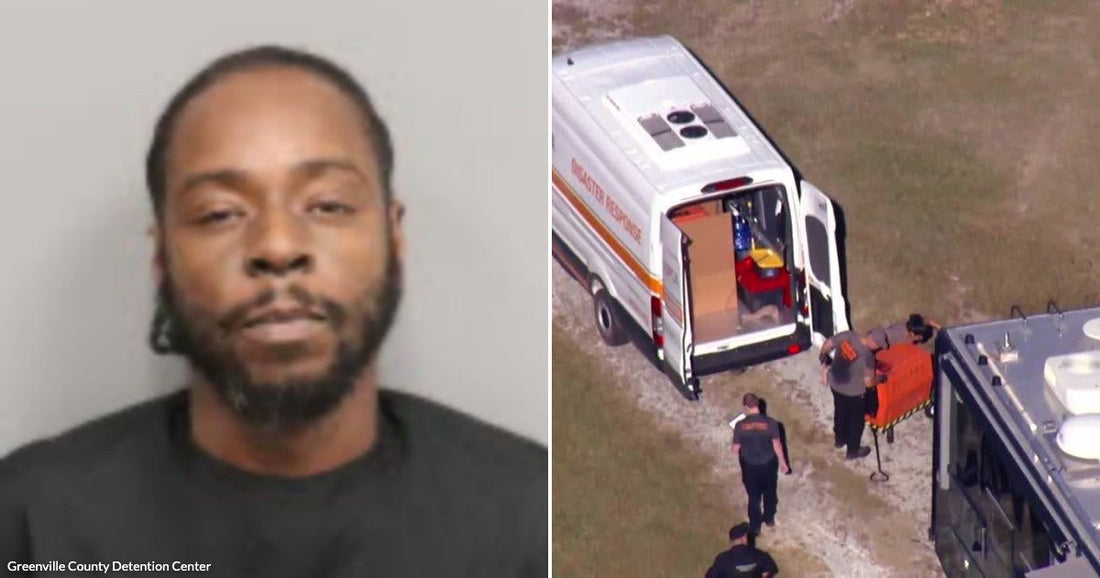
News of animal cruelty is always deeply unsettling, and a recent case in Greenville County, South Carolina, has brought renewed attention to the ongoing problem of dogfighting and neglect. According to local authorities, a man in Pelzer was arrested on dogfighting charges after an extensive search of his property, and he now faces a long list of additional charges. This Greenville County dogfighting investigation has quickly become a stark reminder of how serious animal welfare violations can intersect with broader public safety concerns.
Deputies with the Greenville County Sheriff's Office began a search around 7 a.m. on a Wednesday morning at a home on Grey Road in Pelzer. The search lasted most of the morning and involved multiple agencies. What they reported finding on the property was troubling. Ten dogs, including one puppy, were discovered showing clear signs of neglect and injuries described as being consistent with dogfighting. Several of the dogs were visibly scarred and malnourished. Those details alone paint a grim picture of what these animals may have endured.

The man identified by authorities is 44-year-old Curtny Stewart. Following the search, Stewart was arrested and initially charged with ill treatment of animals. He was transported to the Greenville County Detention Center while investigators continued to process the evidence collected from the property. The early findings were alarming enough. Yet the investigation was only beginning, and additional charges would soon follow as officials reviewed everything gathered during the search warrant.
Law enforcement did not work alone in this case. The investigation involved a coordinated effort by the South Carolina Law Enforcement Division, the American Society for the Prevention of Cruelty to Animals, Animal Control, and Codes Enforcement. The presence of so many agencies underscores how seriously suspected dogfighting operations are taken and how complex these cases can be. Each agency brought its own expertise, from criminal investigation to animal care and code compliance, in order to handle both the legal and humane aspects of the situation.

Greenville County Detention Center
The ASPCA provided more insight into what was discovered on the property. Officials reported dogfighting paraphernalia, including weighted collars, heavy chains, and a treadmill. These items are often associated with conditioning dogs for fighting. All ten dogs were seized from the property by the ASPCA so they could begin receiving care away from the environment where they were allegedly being exploited and neglected. I found this detail striking, because it highlights that in suspected cruelty cases, removal from the scene is the first step toward giving the animals a chance at physical and behavioral recovery.
In a statement, Teresa Ladner, vice president of ASPCA Criminal Practice & Investigations, emphasized the organization’s commitment to combating dogfighting. She noted that the ASPCA works alongside law enforcement and other animal welfare agencies to help bring this form of cruelty to an end, providing critical case support and consultation and caring for suspected victims through specialized behavioral and medical treatment. Ladner also commended the Greenville County Sheriff’s Office and SLED for pursuing justice for the animals and ensuring they receive needed care. Her remarks reflect a broader reality that dogfighting is not only illegal but also an issue that demands expertise in trauma, rehabilitation, and long-term placement for survivors.

ASPCA
By Thursday morning, the situation had escalated significantly from the original animal cruelty charges. Deputies with the Greenville County Sheriff's Office announced that Stewart was facing a series of new charges tied to evidence uncovered during the search. In addition to the initial ill treatment of animals allegation, he now faces 10 counts of ill treatment of animals and 10 counts under the Animal Fighting or Baiting Act. Those counts relate directly to the reported condition of the dogs and the alleged use of them for fighting or baiting purposes.
The investigation also led to charges that extend beyond animal cruelty. Authorities reported that Stewart is charged with one count of possession of a firearm by a person convicted of certain crimes, and another count of possession of a firearm by a person convicted of possession with intent to distribute drugs. He additionally faces one count of possession of fentanyl, first offense, and one count of unlawfully placing a child at risk. All of these charges stem from evidence that deputies say was collected during the execution of the search warrant at the Grey Road property.
When cruelty cases intersect with firearms and controlled substances, they raise serious concerns not only for animal welfare but also for community safety. The reported combination of suspected dogfighting activity, drugs, weapons, and a child in the environment transforms the case into a complex public safety issue. It affects vulnerable animals, but it also touches on the well-being of people in and around the property, including minors who may have been exposed to dangerous and unstable conditions.
Dogfighting itself is a crime that is often hidden and difficult to detect until something tips off authorities. The discovery of weighted collars, heavy chains, and a treadmill on the property indicates that investigators are looking closely at any tools used to train or condition dogs for combat. Each piece of paraphernalia becomes part of a larger picture that legal teams and animal welfare specialists must assemble to demonstrate patterns of abuse and organized fighting activity.
Cases like this one also highlight how critical interagency collaboration is for addressing dogfighting and neglect. Local deputies, state investigators, and organizations such as the ASPCA each play a different role in the response. Law enforcement focuses on building a criminal case, securing the scene, and safeguarding human witnesses or potential victims. Animal welfare professionals focus on evaluating each dog, documenting injuries, and planning ongoing medical and behavioral care tailored to the trauma the animals have reportedly suffered.
On a community level, this Greenville County case may encourage more residents to pay attention to signs of potential animal fighting or neglect. While the article does not detail how this particular investigation began, it is often community tips, unusual noise patterns, or visible signs of abused animals that spur authorities to act. For people who care deeply about animal welfare, it serves as a difficult but important reminder that reporting concerns can be one of the most powerful tools in preventing ongoing cruelty.
The next stages for the dogs removed from the property will likely involve medical evaluations, treatment for malnourishment and injuries, and careful observation to understand their behavior and stress levels. Organizations specialized in cruelty cases often work slowly and thoughtfully with animal fighting survivors, recognizing that healing is both physical and emotional. The legal process, meanwhile, will move forward through the courts as the multiple charges against Stewart proceed.
This case in Pelzer illustrates how a single investigation can reveal a web of alleged offenses, from animal cruelty to drug possession to illegal firearm ownership and child endangerment. It also underscores that animal fighting and neglect are not isolated problems. They connect to broader safety issues and require a robust, coordinated response from law enforcement and animal protection groups. The hope is that the dogs now in ASPCA care will receive the treatment they need and that the legal system will carefully examine the evidence gathered in this Greenville County investigation.