
Emaciated Horse Finally Gets Help as Owner Faces Cruelty Accusation
Guest Contributor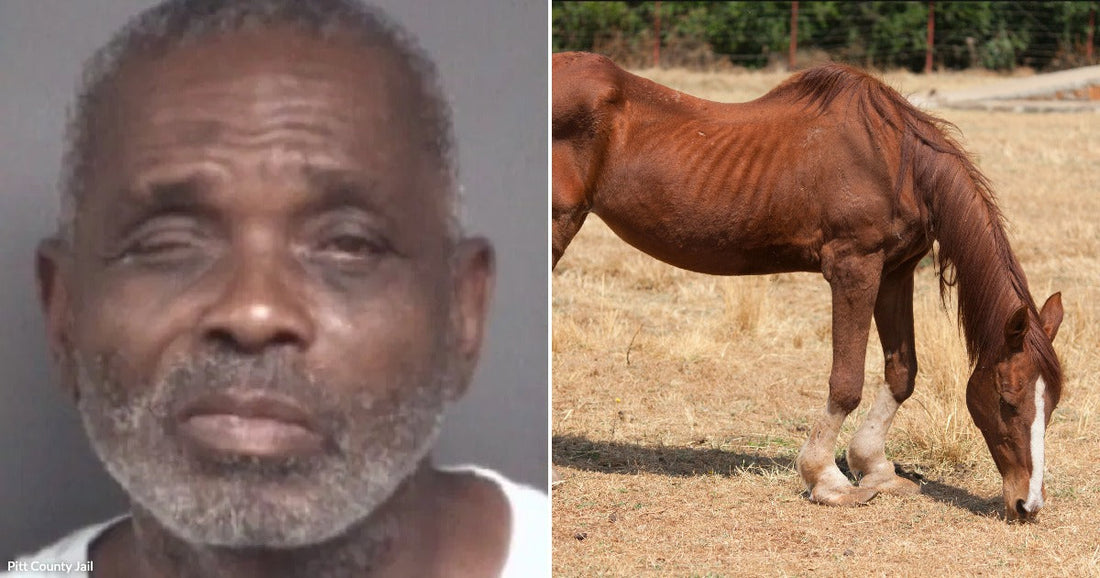
Authorities in Pitt County, North Carolina, recently charged a Greenville man with animal cruelty after a horse in his care was reportedly deprived of proper sustenance. This animal cruelty charge has drawn attention to how seriously the law treats the responsibility of caring for animals, especially larger, high-need animals like horses. While the case is still moving through the court system, the circumstances described in the official records highlight important questions about what constitutes proper care and how communities can respond when they suspect neglect.
According to online records, 60-year-old Michael Smith was arrested on Friday, March 27, and charged with cruelty to animals. Authorities list the offense as having occurred earlier in the month, on March 16. That date marks the point at which investigators say the horse’s condition and care crossed the legal threshold from concern to criminal allegation. The nature of the charge suggests that law enforcement believed the animal’s basic needs, especially its need for food, were not being adequately met.

Warrants in the case state that Smith intentionally deprived a brown female horse, estimated to be between 4 and 5 years old, of necessary sustenance. In legal terms, “necessary sustenance” speaks to more than a vague notion of feeding; it refers to providing adequate food and water for an animal’s size, age, and health, as well as general access to what is required for survival. The language in the warrants indicates that investigators did not see this as an accidental oversight but as an intentional failure to provide what the horse needed.
The reference to a 4- to 5-year-old horse is significant. A horse in that age range is typically considered young but mature, often active and potentially in regular work or training. At that stage of life, a horse’s nutritional demands can be substantial, especially when factoring in metabolism, activity level, and body condition. When such an animal is deprived of necessary sustenance, the impact can be physically and mentally severe. While specific details about the horse’s condition at the time of the allegation are not provided in the available report, the decision to file a cruelty charge often follows visible signs that an animal’s welfare has been compromised.

After his arrest, Smith was taken to the Pitt County Jail. Records show that he was later released after posting bond, a standard legal step that allows a defendant to remain out of custody while awaiting further proceedings. His release on bond does not imply a conclusion to the case, nor does it signal guilt or innocence. It simply reflects the criminal justice process, which typically allows people charged with non-capital offenses to await trial or hearings while living in the community, under the conditions set by the court.
Smith is scheduled to appear in court on April 6. At that appearance, the charge of cruelty to animals is expected to move forward through the legal system. That could involve preliminary discussions, potential legal representation, and scheduling of additional hearings or a trial. In many cruelty cases, further evidence is examined, including veterinary assessments, photographs, and testimony from officers or witnesses. While none of that detail is provided in the initial report, the upcoming court date marks a key moment when those next steps become clearer.

Pitt County Jail
In reading about this case, I found the emphasis on basic care particularly striking. Horses require consistent, attentive management that can include regular feeding, clean water, safe shelter, routine hoof care, dental attention, and veterinary oversight, depending on the environment and the horse’s health. When a charge specifically notes intentional deprivation of sustenance, it underscores the importance of meeting the most fundamental of these needs. It also reflects a broader principle in many communities: that owning or keeping an animal carries legal and ethical responsibilities that go far beyond simple possession.
The report does not detail how authorities first became aware of the alleged neglect of the horse. In many situations, however, animal cruelty or neglect cases begin with observations from neighbors, passersby, or professionals who encounter the animal and raise concerns. Those concerns can lead to welfare checks, which sometimes result in education and voluntary improvements and other times, as appears to have happened here, lead to formal charges. The process is meant to establish a clear standard that animals, including horses, are not left without the essentials they need to live.
This case also highlights the role of local agencies and the justice system in responding to suspected animal cruelty. Once an allegation rises to the level seen here, with warrants and an arrest, the steps that follow are guided by state law and judicial procedure. The courts will ultimately weigh the evidence and determine what happened and whether the legal standard for cruelty has been met. Until that process concludes, all allegations remain just that, and the presumption of innocence continues to apply.
For community members, stories like this often serve as a reminder to stay attentive to the well-being of animals in their surroundings. That might mean noticing whether animals have access to food and water, whether they appear undernourished, or whether they show signs of distress. While the specifics of when and how to act will vary from one place to another, the underlying idea is that animal welfare is not only a private responsibility but also a shared community concern.
At the same time, it is important to recognize that each case is unique, and public reports usually represent only an initial outline. In this situation, the information currently available centers on the charge of cruelty to animals, the description in the warrants, the arrest and release on bond, and the upcoming court date. As the case proceeds, more details may emerge that provide a fuller picture of the circumstances, the condition of the horse, and any mitigating or aggravating factors that the court will consider.
Ultimately, this Greenville case underscores the serious legal implications of failing to provide proper care for animals and the broader expectation that animals, especially those as dependent as horses, receive reliable access to food and other essentials. For anyone who owns or works with horses, it is a pointed reminder that animal care goes hand in hand with accountability in the eyes of both the community and the law. Read more at https://wcti12.com