
Deputies Seized Nearly Seventy Horses After Seeing Bones Hooves And Stalls That Told A Disturbing Story
Guest Contributor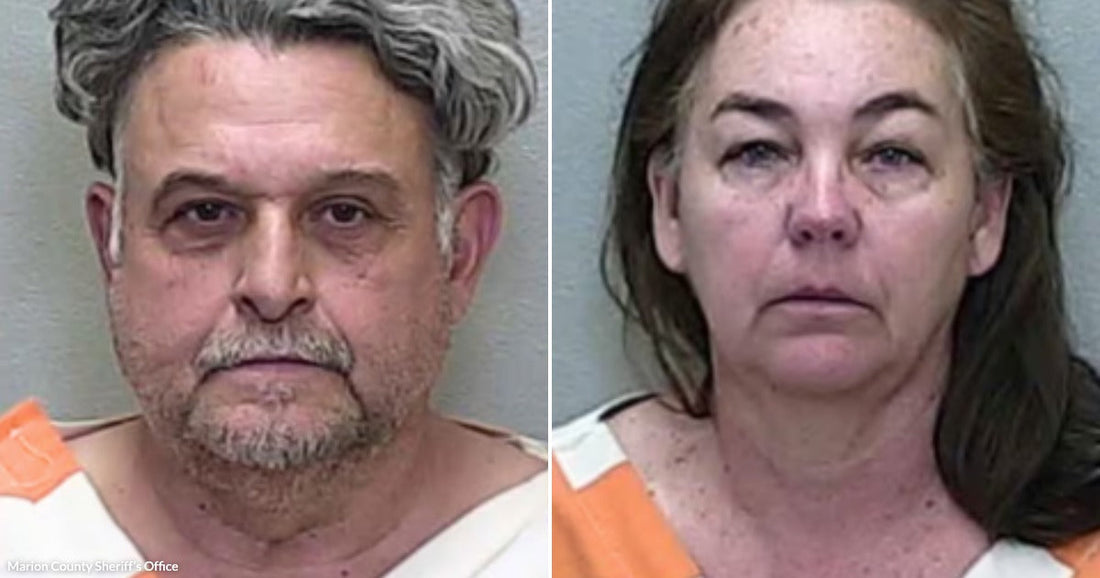
The seizure of 69 horses from Happy Valley Horse Rescue in Ocala, Florida, has brought renewed attention to animal cruelty laws and the responsibilities that come with operating an equine rescue. The Marion County Sheriff’s Office reports that the rescue’s owners, David Palacio and Janine Chaux, now face multiple charges of aggravated animal cruelty and animal cruelty following a detailed investigation into the condition of horses in their care. For anyone who cares about animal welfare and follows news about equine rescue operations, this case is a sobering reminder of how quickly neglect can escalate into a criminal matter and a community crisis.
According to information released by the Marion County Sheriff’s Office, detectives began investigating Happy Valley Horse Rescue in November 2025 after receiving an anonymous complaint about neglected horses at the property on NW 95th Avenue Road in Ocala. When Detective McClaskey and Agriculture Investigator Justin McClure visited the site, they found a situation that authorities describe as deeply troubling. Many of the horses were visibly underweight, with bones showing and hooves in poor condition. The barn stalls, which should have offered safe and clean shelter, reportedly had not been cleared of feces and soiled bedding for a long time. Those key details formed part of the initial basis for the animal cruelty investigation.

As the investigation unfolded, deputies seized 69 horses from the rescue on November 5, 2025. At the same time, they discovered an additional 17 neglected horses on a neighboring property. Authorities state that these horses were also under the care of Palacio and Chaux, extending the scope of the case beyond the primary rescue location. All of the animals were evaluated by veterinarians, whose assessments documented the severity of the neglect. Twenty horses were determined to be at the most extreme level of emaciation. Another sixteen were described as very underweight. Two horses were found to be in such poor physical condition that they could not survive, and veterinarians made the decision to euthanize them.
I found this detail especially striking because equine rescue work is generally associated with rehabilitation, recovery, and second chances for horses that have already suffered hardship. In this case, the rescue that was supposed to be a haven became the center of an animal cruelty investigation. The contrast between the mission suggested by the organization’s name and the conditions described by detectives and veterinarians underlines why oversight and accountability are crucial in the world of animal welfare.

Marion County Sheriff’s Office
The charges reflect the seriousness with which Marion County authorities are treating the situation. Palacio, age 57, and Chaux, age 58, were arrested and booked into the Marion County Jail. They each face 22 counts of aggravated animal cruelty and 16 counts of animal cruelty. At the time of the report, both were being held on a bond of 71,000 dollars. These are significant felony and misdemeanor charges that can carry substantial penalties. They also send a message that operating an equine rescue does not place anyone above the law or beyond compliance with acceptable standards of care.
Investigators’ descriptions of the property highlight several key indicators of neglect that animal welfare professionals and law enforcement typically watch for. Underweight horses with visible ribs, hips, and spine can signal lack of access to proper nutrition or untreated health issues. Poor hoof condition may point to a lack of farrier care and prolonged periods without proper trimming or management. Stalls that are not cleared of manure and soiled bedding over long periods quickly become unhealthy environments that can lead to respiratory issues, skin infections, and overall stress for the animals. While not every facility will look pristine at all times, a pattern of severe underweight animals and chronically filthy conditions is often viewed as strong evidence of ongoing neglect.

Marion County Sheriff’s Office
The role of the anonymous complaint in sparking this investigation underscores how community members can be instrumental in protecting animals. When people speak up about possible neglect, it allows authorities to step in, assess the situation, and either verify that animals are safe or intervene when they are not. Reports like the one that led to the visit by Detective McClaskey and Agriculture Investigator McClure can be a critical first step in breaking cycles of abuse or neglect, especially in facilities that may be out of the public eye.
This case also illustrates the complexity of animal rescue operations. Legitimate rescues often face challenges such as limited resources, high intake numbers, and animals arriving in poor condition. However, those realities do not excuse allowing horses to deteriorate to the point of extreme emaciation or unsanitary living conditions. Instead, they highlight the need for strong management, transparency, and collaboration with veterinarians, volunteers, and local agencies. When a rescue exceeds its capacity to provide adequate care, responsible leadership involves seeking help, limiting intake, or coordinating with other organizations rather than allowing conditions to spiral downward.
There is also a broader public trust issue at stake. Donors, adopters, and volunteers typically support equine rescues because they believe their time and resources will help vulnerable animals. Cases like this can erode that trust and make people more hesitant to support rescue organizations in the future. At the same time, they can motivate communities to take a closer look at how rescues are monitored and supported. Increased emphasis on regular veterinary oversight, financial accountability, and adherence to humane care standards can help ensure that facilities bearing the title of “rescue” truly live up to that name.
For people following this story in Ocala and beyond, one of the central concerns is the welfare of the seized horses going forward. The veterinarians’ evaluations have already determined which animals were in the most critical, emaciated condition, and steps were taken to humanely euthanize those that could not be saved. The remaining horses will require significant care, from nutritional rehabilitation to hoof treatment and ongoing veterinary monitoring. Recovery from severe neglect is often a long process, and how these horses respond will depend on the quality and consistency of their new care environments.
As authorities move forward with the legal case against Palacio and Chaux, the situation at Happy Valley Horse Rescue will likely continue to prompt discussion about how animal cruelty is identified, investigated, and prosecuted. It may encourage more people involved in horse ownership, equine rescue, and local agriculture to learn the signs of neglect and to understand when and how to report concerns. While this case is disturbing, it can also serve as a catalyst for stronger safeguards and better education around animal welfare.
Ultimately, the seizure of 69 horses and the discovery of an additional 17 neglected horses nearby reveal more than just one rescue gone wrong. They highlight the ongoing need for vigilance, compassion, and accountability wherever animals depend on humans for their well-being. For equine rescue supporters, advocates, and professionals, the details emerging from Ocala are a powerful reminder that the label “rescue” should always be backed by proper care, humane conditions, and a commitment to the health and dignity of every horse.