
🚨Urgent: Hurricane Isaias Smashes Into the Gulf Coast! Rush Emergency Aid!
Marine Finds Healing Through Ballet Dance After Military Service
Guest Contributor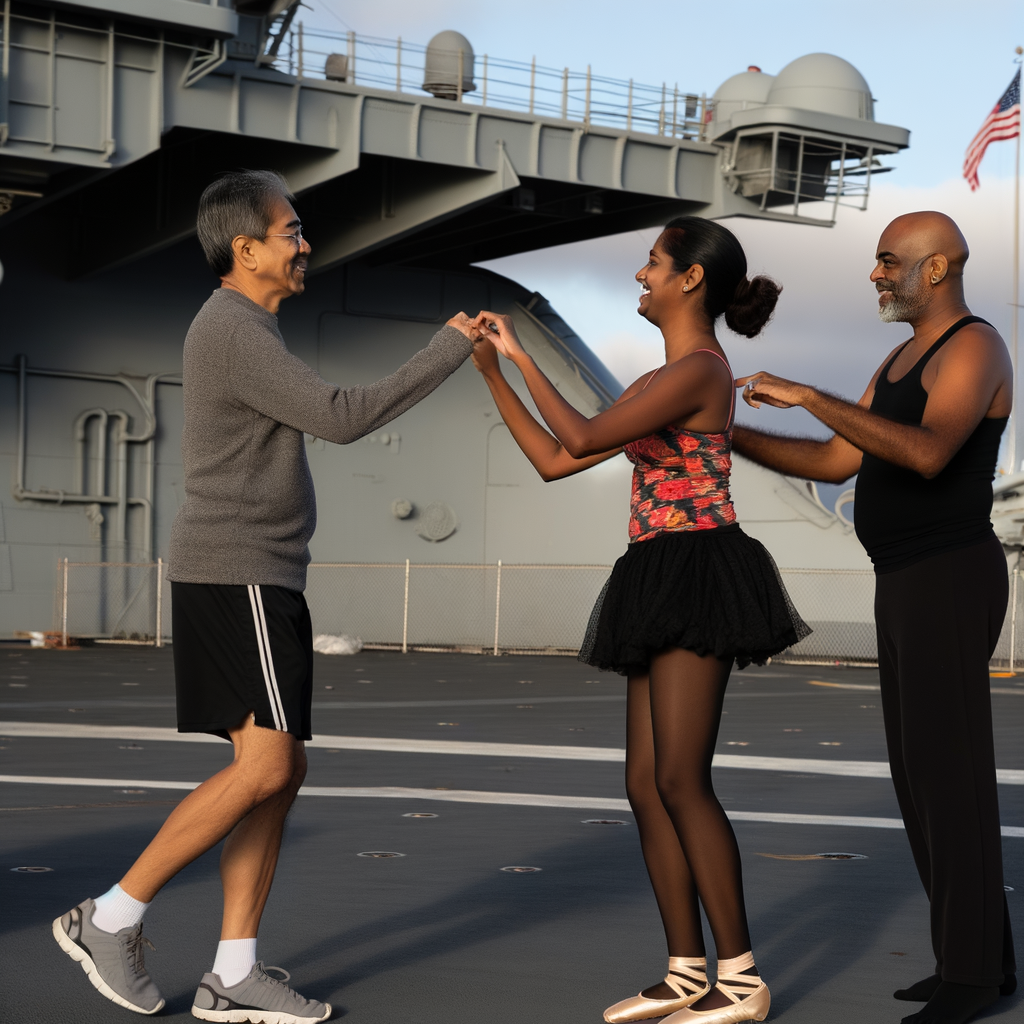
When we think of military service, ballet is rarely the first association that comes to mind. Yet for Román Baca, a former Marine who served in Iraq, dance has become a powerful tool for healing and transformation. His story, recently featured in The New York Times, offers a compelling look at how one veteran is using ballet to counteract the psychological effects of military training and combat. The journey from boot camp to ballet is not just Baca’s personal evolution—it’s a movement that is helping other veterans reconnect with their identities through the expressive power of dance.

Before enlisting in the Marines in 2000, Baca had trained as a ballet dancer. However, during boot camp, he quickly learned that sharing this part of his background wasn’t always welcomed. The rigid structure and culture of the military left little room for artistic expression. As reported in the article, Baca kept his past to himself until a close friend in his platoon asked why he was so interested in the local dance practices they encountered in Iraq. When Baca finally admitted he had been a ballet dancer, the friend responded with acceptance. Encouraged by this response, Baca shared a bold idea: what if they could translate their wartime experiences into dance?
That idea didn’t fade with time. Instead, it became the foundation for Exit12 Dance Company, the organization Baca co-founded with his wife, Lisa Fitzgerald. Based in New York, Exit12 is dedicated to creating and performing works that explore the military experience. What began as a personal outlet for Baca has grown into a broader mission to support other veterans in their journeys of healing. The company’s performances and workshops offer a space for reflection, expression, and community—elements often missing from the post-service experience.
In recent weeks, this mission took shape aboard the U.S.S. Intrepid, an aircraft carrier now docked as a museum on the Hudson River. There, a group of veterans and family members gathered to create a new dance work. Participants ranged widely in age and physical ability, yet they all shared a connection to military life. Through improvisational exercises and guided movement, they worked together to build a performance scheduled for May 30 on the ship’s flight deck, weather permitting. But as Baca emphasized, the performance is not the end goal. The process itself is what matters most.
“To make a person respond immediately to orders and commit acts of violence, military training changes your identity,” Baca explained. He described how the military strips away individual markers—clothing, haircuts, even personal habits—and replaces them with uniformity and discipline. This transformation, while necessary for combat readiness, can leave lasting psychological effects. Baca sees dance as a way to reverse some of that conditioning. By engaging both the body and the mind, movement can help veterans rediscover parts of themselves that were suppressed or lost during service.
I found this detail striking: Baca’s workshops are not just about choreography or technical skill. Instead, they focus on storytelling, emotion, and connection. Participants are encouraged to move in ways that reflect their personal experiences, whether those involve trauma, resilience, or hope. This approach aligns with growing research on the benefits of expressive arts therapies for mental health, particularly among those dealing with post-traumatic stress.
The setting aboard the Intrepid adds another layer of resonance. Once a vessel of war, the ship now serves as a platform for healing and creativity. It’s a symbolic transformation that mirrors the journey many veterans undertake as they transition back to civilian life. The juxtaposition of military history and artistic expression creates a powerful backdrop for the work Exit12 is doing.
While the article focuses on Baca’s story, it also highlights a broader conversation about how society supports veterans after their service ends. Traditional approaches to veteran care often emphasize clinical treatment, but programs like Exit12 demonstrate the value of alternative methods. Dance, with its ability to bypass verbal barriers and tap into deep emotional currents, offers a unique form of therapy that resonates with many who have served.
It’s important to note that this isn’t about romanticizing trauma or simplifying recovery. The path from war to wellness is complex and deeply personal. What Baca and his collaborators offer is not a cure, but a space—a space to move, to feel, and to be seen. In that space, even the most rigid postures can begin to soften, and new stories can emerge from old wounds.
As Exit12 prepares for its upcoming performance, the emphasis remains on community and process. Whether or not the weather cooperates on May 30, the work these veterans have done together will leave a lasting impression. Through dance, they are reclaiming their narratives, honoring their experiences, and forging connections that transcend words.
For those interested in the intersection of dance and military experience, or in innovative approaches to veteran support, Román Baca’s journey offers a compelling example. His story is a reminder that healing can take many forms—and that sometimes, the most unexpected paths can lead to the most profound transformations.