
🚨Urgent: Missile Strikes Shelter in Ukraine! Rush Emergency Aid!
Stranded Otter Pup Calls Into The Bay And His Desperate Mom Answers
Guest Contributor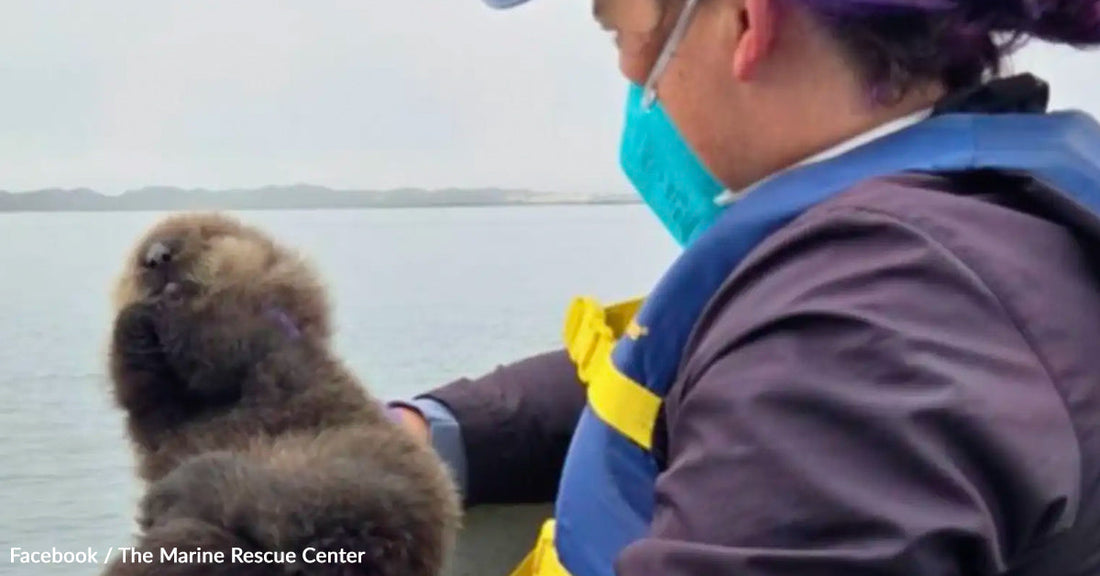
In the coastal town of Morro Bay, California, a heartwarming rescue mission recently unfolded that highlights both the fragility and resilience of marine life. Known for its scenic waters and rich biodiversity, Morro Bay is home to numerous marine animals including whales, seals, and the beloved southern sea otter. One such otter, a 2-week-old pup named Caterpillar, became the focus of a dramatic and ultimately uplifting rescue after he became stranded on the beach, separated from his mother.

Southern sea otters are a threatened species, and their survival depends heavily on early maternal care. According to The Marine Mammal Center, otter pups typically remain with their mothers for up to nine months, a critical period during which they learn essential life skills such as foraging and grooming. When Caterpillar was found alone on the sand, his vulnerability was immediate and pressing. Fortunately, a Good Samaritan recognized the urgency of the situation and contacted The Marine Mammal Center’s hotline, setting a swift rescue effort into motion.
With assistance from the Morro Bay Harbor Patrol, trained responders arrived quickly on the scene. They safely secured the young otter in a carrier crate, ensuring he was protected while they formulated a plan to find his mother. The team knew that time was of the essence—not only because of Caterpillar’s young age but also because prolonged separation could diminish the chances of a successful reunion.
What followed was a creative and emotionally charged effort to reunite the pup with his mother. The Marine Mammal Center’s operations coordinator, Shayla Zink, explained that the team recorded Caterpillar’s cries and vocalizations. These recordings were then played from a Bluetooth speaker as rescuers traveled through the bay by boat, hoping the familiar sounds would reach his mother’s ears. It was a method rooted in understanding the deep bond between otter mothers and their pups, as well as the species’ strong acoustic sensitivity.
The strategy paid off. As the boat moved through the bay’s gentle waves, a brown speck appeared in the distance. It was Caterpillar’s mother, drawn by the unmistakable cries of her baby. Rescuers watched closely as she approached, and when they placed Caterpillar back into the water, the reunion was immediate and unmistakable. The mother swam directly to her pup, and the two were soon gliding side by side, once again connected in their natural habitat.
I found this detail striking: the use of technology—in this case, a simple Bluetooth speaker—combined with intimate knowledge of animal behavior, made all the difference in this rescue. It’s a reminder that sometimes, innovation and empathy go hand in hand when it comes to wildlife conservation.
The successful reunion was more than just a feel-good moment. As Zink noted in a press release, each rescued and reunited otter pup represents a meaningful contribution to the health of the species and the broader marine ecosystem. “Southern sea otters are a threatened species, and the opportunity to successfully reunify this pup back with its mother is a major boost to the future health of this population and surrounding ecosystems,” she said. The collaboration between The Marine Mammal Center and Morro Bay Harbor Patrol was instrumental in achieving this outcome.
This story also underscores the importance of public awareness and timely intervention. The individual who spotted Caterpillar and made the call played a crucial role in the pup’s survival. It serves as a powerful example of how community vigilance and expert support can intersect to protect vulnerable wildlife. In areas like Morro Bay, where human activity and natural habitats coexist, such partnerships are vital.
For those who care about marine animal rescue, sea otter conservation, and the welfare of threatened species, Caterpillar’s story is a hopeful reminder that dedicated efforts can yield remarkable results. It also highlights the critical role that early maternal care plays in the survival of young otters, reinforcing why reuniting pups with their mothers is often the best possible outcome.
The image of a tiny otter pup being welcomed back by his mother in the open ocean is one that resonates deeply. It encapsulates the delicate balance of nature, the importance of timely action, and the profound connections that exist within the animal kingdom. Thanks to quick thinking, expert coordination, and a bit of technological ingenuity, Caterpillar now has a second chance to grow, learn, and eventually thrive in the wild where he belongs.