
Chihuahua Shot in the Groin After Neighbor Allegedly Opens Fire Because Dogs Would Not Stop Barking
Guest Contributor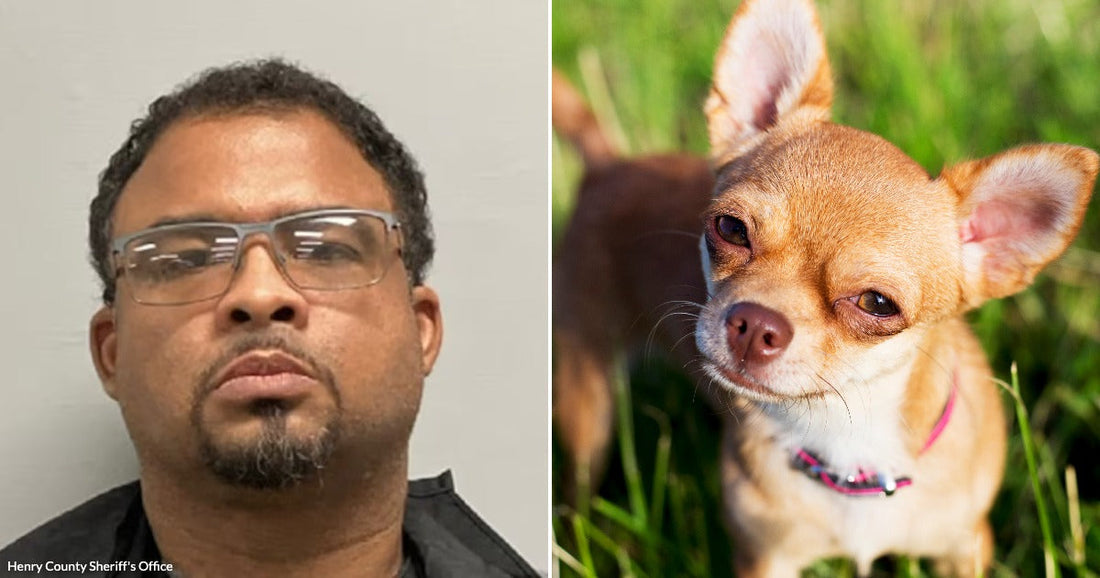
The report of a man arrested in connection to the abuse of a neighbor’s dog in Henry County, Virginia is a sobering reminder of how quickly everyday disputes can escalate into serious harm. Animal cruelty cases resonate deeply with many readers, and this situation involving an allegedly shot Chihuahua highlights the emotional and legal weight that accompanies such incidents. For anyone concerned about animal welfare, community safety, or responsible firearm use, the details of this case are important to understand.
According to information released by the Henry County Sheriff’s Office, deputies were called to the area of Robin Road in Axton after receiving a report that a dog had been shot. Responding within minutes, they made contact with a woman who said her pet Chihuahua had been struck by gunfire. She reportedly heard two gunshots from a neighboring property while she was inside her home. When she went outside to investigate, she discovered her dog had been wounded.

Henry County Sheriff's Office
Deputies noted multiple blood trails at the scene along with what appeared to be a gunshot wound to the groin and testicular area of the dog. Based on the report, the injuries were serious enough that the animal had to be transported immediately to an emergency veterinary clinic for treatment. For many pet owners, this detail alone is particularly distressing. Companion animals are often considered part of the family, and reading about such an injury underscores why animal cruelty laws exist and why they are taken seriously.
As deputies worked to understand what happened, the woman identified her neighbor as the person she believed was involved. According to the report, that neighbor had left the area before law enforcement arrived. Deputies later reached him by phone, and he returned to his residence to meet with them. What followed provides a closer look at how the situation unfolded from his perspective, and how the investigation developed.

The neighbor reportedly told deputies that the Chihuahua was in his backyard along with several other dogs, barking and refusing to leave. He said he went inside his home, retrieved a firearm, and then went back outside. According to his account, he saw the dogs still on his property, continuing to bark and moving farther in. He admitted to firing one shot in their direction, saying his intent was to scare the animals away, not to hit them. He also stated that he did not believe any of the dogs had been struck.
Investigators recovered a 9mm handgun from the scene. According to the sheriff’s office, the magazine was missing two rounds. That detail matched the woman’s account that she had heard two gunshots. While this does not answer every question about exactly how events unfolded, it forms part of the physical evidence that deputies considered as they pieced together what took place between neighboring properties that day.
Based on the combination of physical evidence at the scene, the visible and significant gunshot wound to the dog, and the statements from those involved, authorities charged 48-year-old Brad Lamont Flood with maiming of a companion animal and animal cruelty. He was brought before a magistrate on both charges and then held at the Henry County Adult Detention Center on a secured bond. The charges themselves reflect the seriousness with which the law views harm to pets, particularly when a firearm is involved.
Cases like this often generate strong emotional reactions, especially from people who see their pets as family members and from those who advocate for stricter responses to animal abuse. At the same time, the legal process requires a careful examination of facts and intent. The report emphasizes that the neighbor stated he only meant to frighten the dogs away from his property rather than injure them. The charges, however, indicate that law enforcement believes the harm done to the dog warrants criminal accountability under existing animal cruelty statutes.
I found the description of the dog’s injuries especially striking, both in its specificity and in what it suggests about the impact of a single impulsive act. A shot fired to scare can still have devastating consequences when a small animal is nearby. For anyone who owns firearms, this case serves as a reminder that discharging a weapon, even on private property and even with the intention of scaring animals, can quickly cross into criminal territory when a living being is harmed.
Beyond the individual details, this incident also illustrates the broader role of community members and local law enforcement in addressing animal cruelty. The quick response by deputies, the collection of physical evidence such as the handgun and spent rounds, and the documentation of the dog’s injury all form part of a process that gives weight to the welfare of animals under the law. In many jurisdictions, companion animal maiming and cruelty charges carry significant penalties because they are seen not only as harm to a pet, but also as conduct that affects the safety and trust within a neighborhood.
The investigation into this Henry County animal cruelty case remains ongoing. Authorities have indicated that they are still seeking additional information related to the incident. That ongoing status highlights how even when an arrest is made and charges are filed, law enforcement may still be working to clarify timelines, corroborate statements, and assess any additional evidence that could emerge. The final legal outcome will likely depend on a full review of all available facts, along with any testimony or expert input regarding the dog’s injuries and the circumstances under which the shots were fired.
For readers, especially those in communities where neighbors share outdoor spaces and where pets roam near property lines, situations like this are a serious prompt to think about conflict resolution before it escalates. Concerns about noise, trespassing, or safety can often be addressed through conversation, fencing solutions, or contacting animal control, rather than resorting to weapons. Responsible gun ownership, respect for animals as sentient beings, and open communication among neighbors all contribute to safer, more compassionate communities.
As this case progresses, it will likely continue to resonate with people who care about protecting companion animals from harm. The charges of maiming a companion animal and animal cruelty emphasize that harming a pet is not treated as a minor matter. It is viewed as a serious offense that carries both legal consequences and a broader moral weight in the eyes of the public. Stories like this encourage ongoing discussion about how best to safeguard animals, support responsible behavior, and ensure that justice systems adequately reflect society’s values around animal welfare.