
🚨Urgent: Missile Strikes Shelter in Ukraine! Rush Emergency Aid!
Heroic Wildlife Rescue in Austin Saves Trapped Beaver at Water Facility
Guest Contributor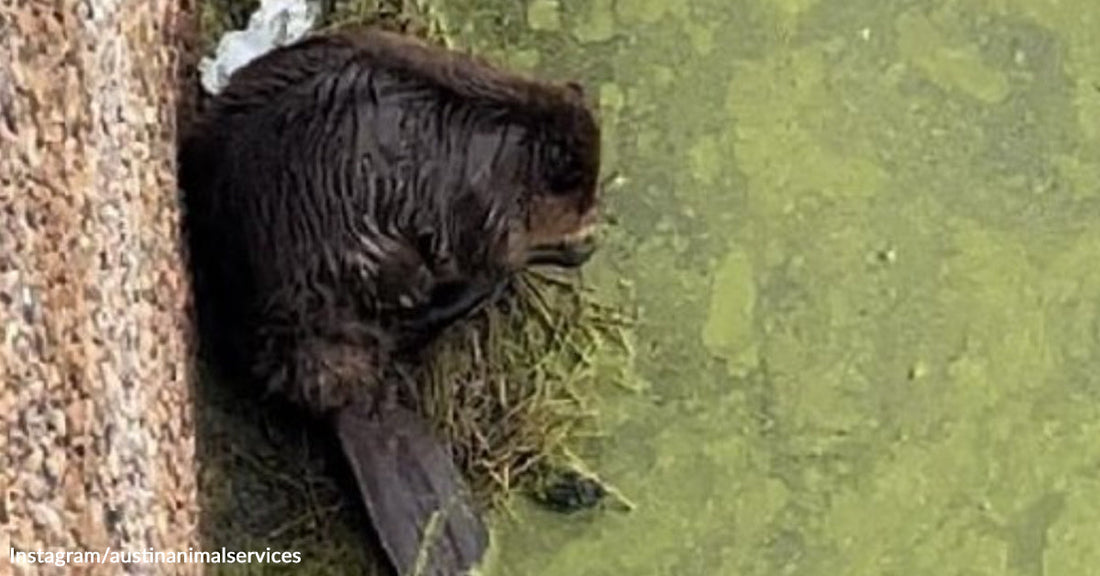
When a wild animal finds itself in danger, it often takes a coordinated effort from both professionals and community members to bring about a successful rescue. That was the case recently in Austin, Texas, where a beaver was found trapped in a reservoir at a water treatment facility. The animal, exhausted and struggling, was rescued thanks to the quick response and teamwork of Austin Animal Services and the Austin Fire Department’s Special Operations team. The incident, which was shared in a video by Austin Animal Services on Instagram, has since touched the hearts of many online.
The beaver, according to the post by @austinanimalservices, was discovered at the facility last month. It had apparently been swimming for several days with only a narrow ledge to rest on. When Animal Protection Officer Rufus Raxlan arrived on the scene, it was clear the animal was fatigued and in need of urgent help. Working alongside personnel from Firehouse 14, the team used a rope hoist to carefully lift the beaver out of the water and bring it to safety.

The use of a rope hoist was not only practical but also necessary, given the structure of the reservoir and the animal’s condition. The video and accompanying slideshow shared on social media show the delicate nature of the rescue, as responders worked from a platform above the tank. Once freed, the beaver was transported to the Austin Wildlife Rescue facility, where it could rest and recover under professional care.
The emotional response to the rescue has been widespread. One commenter wrote, “Ohmygoodness, poor thing. So glad it was saved,” echoing the sentiments of many who were moved by the animal’s ordeal. Another added, “Thank you to all the wonderful people … who helped save him and are continuing to take care of him!!” These reactions highlight how stories of wildlife rescues can resonate deeply with the public.
Wildlife rescue stories like this one serve as powerful reminders of the importance of animal protection efforts. While trained professionals play a critical role, the article also emphasizes that everyday individuals can contribute meaningfully. Whether it’s by alerting authorities to animals in distress or volunteering with local organizations, community members can help safeguard wildlife in their own neighborhoods.
In this case, the beaver’s plight was likely exacerbated by environmental challenges, a growing concern in many regions. As the post notes, incidents like this are becoming more common due to factors such as plastic pollution and habitat disruption. These environmental pressures not only endanger animals like beavers but also highlight the broader consequences of human impact on ecosystems.
There are several ways individuals can support animal welfare and environmental health. Local cleanup initiatives, responsible waste disposal, and donations to conservation-focused organizations are just a few examples. These actions may seem small, but collectively they contribute to reducing the risks wildlife face and preserving the natural balance that benefits all living things.
One particularly striking comment on the Instagram post read, “Thank you for saving this precious and critically important beaver! We humans need to continue protecting all animals and plants because it's the right thing to do and we also depend on nature to survive!!!” This sentiment captures a growing awareness of the interconnectedness between humans and the natural world. Protecting wildlife is not just an act of compassion; it is also a step toward sustaining the ecosystems we all rely on.
I found this detail striking: the beaver had likely been swimming for days before being noticed. It speaks to the resilience of wild animals and the urgency of timely intervention. It also raises questions about how many similar cases go unseen, underscoring the need for vigilance and community involvement.
As more people become aware of these situations, stories like the Austin beaver rescue can inspire broader engagement. They remind us that while not everyone is trained to perform a technical rescue, everyone has a role to play in observing, reporting, and supporting the well-being of animals in their environment. Whether through direct action or by supporting those who are trained to help, each effort contributes to a safer world for wildlife.
To stay informed and find more ways to get involved, Austin Animal Services and similar organizations often share updates and educational content on their social media platforms. They also provide guidance on what to do if you encounter an animal in distress, making it easier for the public to respond effectively and responsibly.
In the end, the rescue of the beaver in Austin is more than a feel-good story. It’s a poignant example of what can happen when people come together to protect the vulnerable. It also serves as a call to action—reminding us that the well-being of wildlife is a shared responsibility, one that begins with awareness and is sustained through collective effort.