
More Than 400 Stolen Cats Reunite With Families After Major Bust
Guest Contributor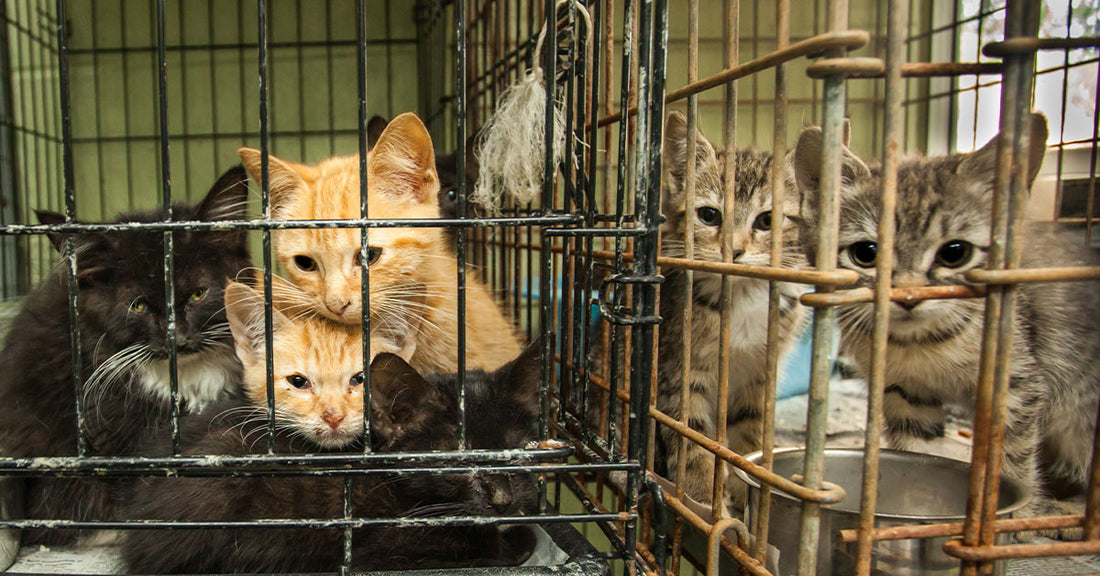
In a major animal welfare breakthrough, police in Ho Chi Minh City recently uncovered a large-scale cat meat crime ring and rescued more than 400 cats from being slaughtered for meat. The cat meat trade in Vietnam has long been a difficult and emotional subject, and this case appears to be one of the largest cat welfare operations in the country in recent years. It has brought renewed attention to the realities of cat meat consumption, widespread pet theft, and the growing movement inside Vietnam to protect companion animals.

The operation unfolded over several days, as police in Ho Chi Minh City investigated a string of pet thefts reported by local residents. Their work led them to a yard where officers found 45 cages packed with around 400 live cats, along with four foam containers filled with ice that held approximately 80 dead cats. At another location, authorities discovered about 20 additional live cats. In total, more than 500 cats were seized in the operation, highlighting the scale of the illegal trade and the suffering involved.
Authorities reported that the suspects admitted to trapping and collecting cats over the past three years across southern Vietnam, including Ho Chi Minh City and the nearby cities of Tay Ninh and An Giang. According to the police, the meat of these animals was sold into the cat meat trade, with a kilogram of cat meat fetching around 70,000 Vietnamese dong, which is roughly $2.70. These admissions paint a sobering picture of an organized network built on the theft of beloved pets and the trafficking of animals for consumption.
Police official Nguyen The Bao told the state-owned Tuoi Tre newspaper that people who had lost their cats were invited to come to the police station to identify their pets and assist with the investigation. As word spread, local residents began arriving at a temporary rescue center set up at a facility run by the Ho Chi Minh City Criminal Police Division. Veterinarians and volunteers quickly moved in to help, offering around-the-clock care to the frightened and exhausted animals.
Animal welfare groups on the ground acknowledged that some of the cats did not survive, citing the harsh conditions in which they were found. Specific numbers were not provided, but it is clear that many animals had endured extreme stress, overcrowding, and inadequate care. Several of the rescued cats were pregnant, and kittens began to be born in police custody in the days after the operation. The contrast between new life and the trauma that preceded the rescue added an extra layer of emotional complexity for those involved.
Karanvir Kukreja, who leads a campaign against dog and cat meat consumption for the international nonprofit Humane World for Animals, described the case as a powerful illustration of just how extensive the cat meat trade in Vietnam has become. The organization called the rescue “a sobering reminder of the enormous scale of Viet Nam’s cat meat trade.” Phuong Pham, the group’s country director in Vietnam, noted that thousands of cats are stolen, trafficked, and slaughtered for meat across the country every month. From that perspective, the more than 400 cats who survived this operation represent both a remarkable save and just a fraction of a much larger problem.
Local animal welfare advocates have been deeply involved in the aftermath. Chris Gindelhumer from the nonprofit Vietnam Cat Welfare has been helping to care for the rescued animals at the temporary center. He described emotional scenes as people searched for their missing companions. According to his account, many Vietnamese families arrived in tears, hoping to be reunited with cats they had lost. Some found their pets alive, which led to scenes of joy and relief. Others searched cage after cage without success, leaving with the heartbreak of not knowing what had happened to their animals.
I found this detail particularly striking, because it highlights the deep bond many people in Vietnam have with their cats, a bond that can be overlooked when discussions focus only on the meat trade. The rescue center became a place of both celebration and grief, reflecting the full emotional weight of what the criminal ring had done. The fact that at least 40 cats have already been reunited with their owners offers a measure of comfort, but it also underscores how many families had pets stolen without warning.
Veterinarians and volunteers are reported to be working through the days and nights to stabilize, treat, and comfort the rescued cats. Many of the animals require medical attention after surviving in cramped cages with limited food, water, and hygiene. The temporary nature of the facility means that decisions about long-term care, adoption, and possible reunions are still unfolding. Yet the immediate priority remains clear: making sure as many cats as possible survive and recover from their ordeal.
In Vietnam, the consumption of dog and cat meat remains legal, although vendors are required to have permits that verify the origins of the animals. This case appears to reveal how stolen pets can be funneled into that system, creating a hidden link between criminal theft and a legal market. At the same time, some cities in Vietnam are rethinking their relationship with dog and cat meat. Hoi An, for example, has worked with global animal welfare groups to encourage an end to dog and cat meat consumption in the city. These local shifts suggest a changing cultural landscape where companion animals are increasingly seen as family members rather than food.
Momentum for change may be building in other ways as well. After South Korea passed a ban on dog meat in 2024, Vietnamese officials signaled that their own government plans to update parts of the legal system to better protect pets and the rights of their owners. While no specific legislation was detailed in the report, such statements suggest growing recognition at the national level that animal welfare, pet ownership, and public expectations are evolving.
For many Vietnamese citizens, this case has been eye-opening. An Pham, a master’s degree student and avid cat lover in Ho Chi Minh City, observed that the rescue operation surprised a lot of people and prompted some to reconsider consuming cat meat. Public awareness can be a significant driver of change, especially when news coverage and personal stories converge. In this instance, the images of crowded cages, rescued animals, and tearful reunions are likely to linger in the public mind.
This large-scale rescue of over 400 cats from the cat meat trade is a complex story that contains elements of tragedy, resilience, and cautious hope. It exposes the reality of pet theft and animal trafficking while also showcasing the compassion of veterinarians, volunteers, and families who rushed to help. It raises difficult questions about the intersection of law, culture, and animal welfare, yet it also suggests that attitudes are shifting, both inside Vietnam and across the region. For the cats who survived and the people who found their companions again, this operation marks a critical turning point, and it may yet become a catalyst for broader reforms in how animals are treated and protected.