
🚨Urgent: Missile Strikes Shelter in Ukraine! Rush Emergency Aid!
Heartfelt Note Found On Homeless Dog's Collar Inspires Compassion and Hope
Guest Contributor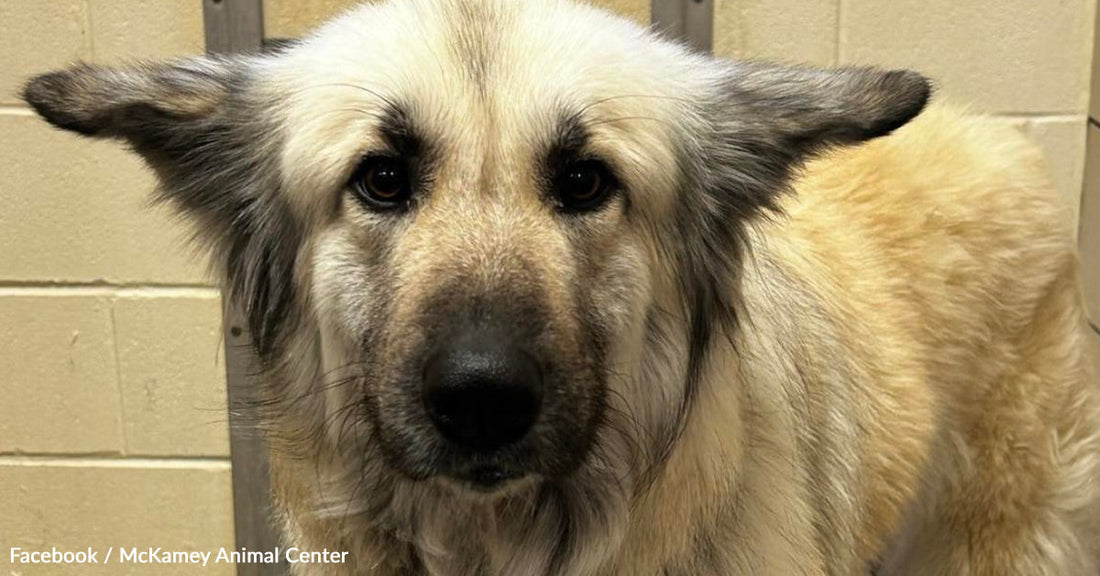
When a Good Samaritan in Tennessee spotted a dog wandering alone with a leash still clipped to her collar, they likely expected a quick reunion with the animal’s family. But what they discovered instead was a heartbreaking message attached to the dog’s collar—a note that read, “Please love me.” It was a plea from someone who had clearly loved the dog deeply but had run out of options. This incident, shared by the McKamey Animal Center, highlights the emotional toll and complex realities faced by pet owners experiencing homelessness.

The dog, a gentle-faced pup named Lilo, was brought to the McKamey Animal Center in Chattanooga. Shelter staff quickly realized that her situation was more than just a case of a lost pet. Alongside her leash was a handwritten note explaining why Lilo had been left behind. It read, in part, “My name is Lilo. Please love me. My mom can’t keep me and is homeless with 2 kids. She tried her best but can’t get help. I cost too much for her. She really loves me & I’m a great dog & love to be loved on. Please don’t abuse me.”
The note struck a chord with the shelter team and, soon after, with thousands online. The message was not just a cry for help—it was a testament to the deep bond between a pet and her person, even in the face of overwhelming hardship. The staff at McKamey Animal Center responded with compassion, posting a message directed to Lilo’s mom. Their words were filled with empathy and understanding, acknowledging the emotional and financial strain that can lead to such a painful decision.
“We are so sorry that you had to make the decision to leave [Lilo] behind,” the shelter wrote. “We know many folks are struggling to care for their pets right now. We know how hard it must be to give up an animal you so clearly loved because you can’t provide the care she needs. We understand.”
They assured Lilo’s mom that the dog was safe, loved, and would be cared for. Importantly, they extended an open invitation for her to come forward, promising to help her reunite with Lilo and provide support. “We will not judge, and we are here to help in any way we can,” the shelter emphasized.
That outreach made a difference. Within days, Lilo’s mom was located and given the opportunity to reconnect with her beloved pet. While the long-term outcome for their reunion remains uncertain, the shelter’s actions demonstrated how empathy and outreach can bridge the gap between crisis and hope.
I found this detail especially striking: even in the midst of homelessness and caring for two children, Lilo’s mom took the time to write a note that humanized her dog and expressed her love. It’s a reminder that love for a pet doesn’t disappear in the face of hardship—it often becomes even more profound.
Lilo’s story is not an isolated one. Many pet owners facing housing insecurity struggle with the impossible choice between keeping their animals and meeting other basic needs. The McKamey Animal Center hopes that by sharing Lilo’s story, they can raise awareness and encourage others to seek help before abandoning a pet. “Abandoning an animal is illegal, but more importantly, it should never have to be an option,” the shelter noted.
There are resources available for pet owners in crisis. Local shelters, like McKamey, often provide support ranging from food assistance to temporary boarding. National organizations, such as Feeding Pets of the Homeless, also offer aid, helping to ensure that pets and their people can stay together whenever possible.
For those moved by Lilo’s story, it’s worth considering how small acts—donating to a shelter, volunteering time, or simply sharing information—can make a meaningful difference. Every dog deserves a loving home, and every person deserves the dignity of being able to care for the animal they love.
In the end, Lilo’s journey from abandonment to safety is a powerful reminder of the resilience of love and the importance of community support. As shelters continue to serve as lifelines for both animals and people, stories like this one underscore the need for compassion-driven solutions for pet owners in crisis.