
🚨Urgent: Missile Strikes Shelter in Ukraine! Rush Emergency Aid!
Honoring Veterans Lost to Suicide with Flags in Fort Thomas, Kentucky
Guest Contributor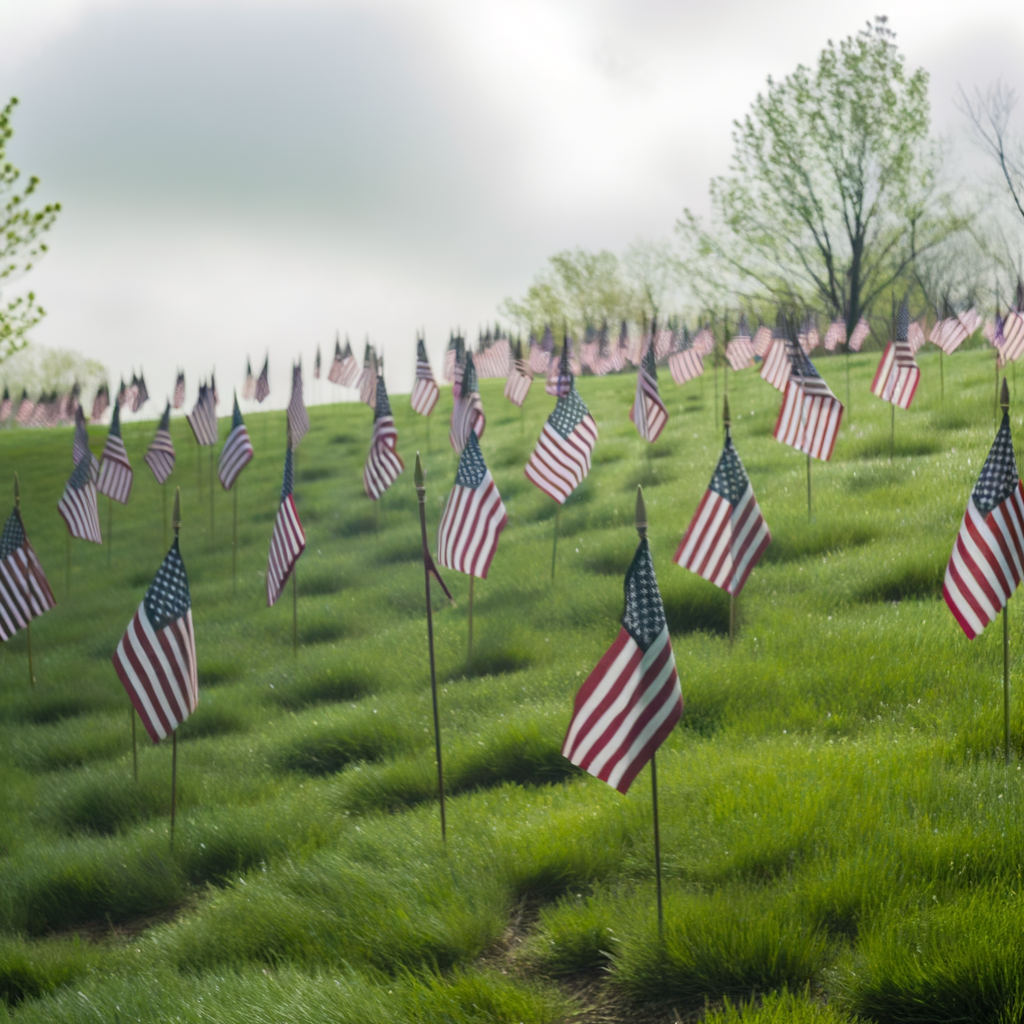
In Fort Thomas, Kentucky, a solemn tradition is taking shape, one that honors the memory of veterans lost to suicide each month. As part of Suicide Prevention Month, volunteers and members of the Northern Kentucky Service Members, Veterans and Families Suicide Prevention Coalition are planting 660 American flags—each one representing a veteran who dies by suicide every month in the United States. This powerful visual reminder brings attention to a crisis that affects thousands of families and communities across the country.

The initiative is both a tribute and a call to action. The number 660 is not just a statistic; it is a devastating reality that underscores the urgent need for mental health support and suicide prevention resources for veterans. I found this detail striking—not only because of the scale of the loss but because of the personal stories behind each flag.

Donna Crenshaw, one of the volunteers, planted flags in honor of her son, John. “This is for my oldest son, John,” she said. “It’s my way to give back. I got John back. Some of these parents aren’t as lucky with theirs.” Her words reflect both gratitude and grief, a sentiment echoed by many others participating in the event.
For Deb Winkler, the mission is deeply personal. She lost her son, Corporal Matthew Winkler, to suicide. A senior intelligence specialist in the U.S. Marine Corps, Matthew completed two tours in Afghanistan. Ten days before his birthday on September 26, he took his own life. “Today, there’s a lot of emotions,” Winkler shared. “But doing this today, I see hope.”
These stories highlight the complex emotional toll that military service can take, not only on those who serve but also on their families. The flag planting is more than a symbolic gesture; it is a public acknowledgment of the sacrifices veterans make and the challenges they face upon returning home. It also serves as a reminder of the support systems that are available—and the work that still needs to be done.
One such support system is the 988 Suicide & Crisis Lifeline, a resource that Winkler praised as “wonderful.” She noted that family members can use the service to seek help for a veteran in crisis. “You can call and say, ‘I have a veteran that needs help. What can I do?’” Winkler said. The lifeline offers immediate assistance and guidance, an essential tool in moments of crisis.
However, as Winkler pointed out, access to resources is only part of the solution. Breaking down the stigma surrounding mental health in the military community is just as critical. “To them, they don’t want to show that sign they need help. They just hide it,” she said. This reluctance to seek help can have tragic consequences, making awareness efforts like the flag planting even more vital.
The visual impact of 660 flags fluttering in the wind is both beautiful and heartbreaking. It captures attention and invites reflection. It also encourages conversation—about mental health, about the invisible wounds of war, and about how communities can support their veterans more effectively. The flags will remain in place throughout the month, serving as a daily reminder of the lives lost and the importance of continued action.
A formal ceremony is scheduled for Wednesday, September 3, at 6 p.m., offering the community an opportunity to come together in remembrance and solidarity. Events like this not only honor those who have died but also strengthen the network of support for those who are struggling. They create space for healing and for hope.
As the country observes Suicide Prevention Month, the efforts in Fort Thomas stand out as a poignant example of community-driven advocacy. The flag planting initiative brings visibility to a crisis that too often remains in the shadows. It reminds us that behind every statistic is a story, a family, and a future that might have been.
For those who may be in need, the 988 Suicide & Crisis Lifeline is available by phone or text. This resource is open to anyone—veterans, family members, and civilians alike—who needs support or guidance. Raising awareness of such services is a key part of prevention, as is fostering an environment where asking for help is not seen as a weakness but as a necessary and courageous step.
The message from Fort Thomas is clear: all gave some, and some gave all. As a nation, we owe it to our veterans to ensure that their sacrifices are met with compassion, support, and action. The flags may eventually come down, but the work of honoring and protecting those who serve must continue.