
🚨Urgent: Missile Strikes Shelter in Ukraine! Rush Emergency Aid!
Honoring Veterans Through the 250 Faces of Service and Sacrifice Project
Guest Contributor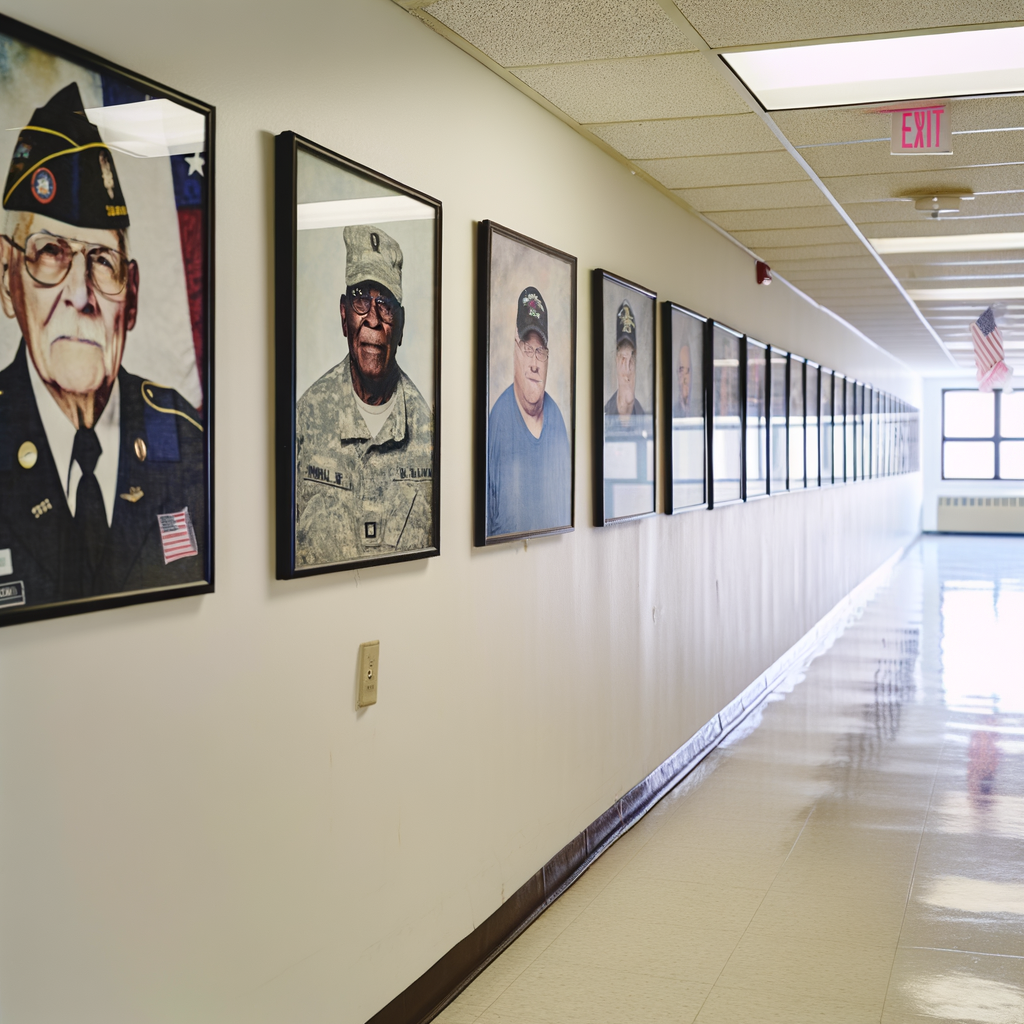
Honoring the individuals who have worn the uniform is a responsibility many communities take to heart. The "250 Faces of Service and Sacrifice" project, highlighted recently by KOLO 8 News Now, stands as a moving tribute to veterans whose lives reflect courage, commitment, and resilience. This initiative acknowledges not only the military service of these individuals but also the personal stories that often go untold. As communities across the nation seek meaningful ways to recognize their veterans, this project offers a powerful reminder of the human faces behind the uniform.

According to the report, the project showcases portraits of 250 veterans, each representing a unique journey within the broader narrative of American military history. The collection serves as a visual archive, capturing the diversity and depth of those who have served. I found this detail striking: the project doesn’t merely focus on well-known figures or decorated officers. Instead, it includes veterans from all walks of life, emphasizing that every contribution, regardless of role or rank, holds value.
The initiative appears to have been developed with both reverence and inclusivity in mind. While the article does not dive into the selection process or the creators behind the project, the intent is clear—to humanize and honor veterans in a way that resonates with viewers on a personal level. The portraits, presumably displayed in a physical or digital exhibit, invite reflection and connection. They present an opportunity for the public to engage not just with the image of a veteran, but with the story behind the eyes staring back.
This kind of visual storytelling can be profoundly impactful. A single photograph has the power to convey emotion, history, and identity in a moment. When multiplied by 250, the effect becomes a collective narrative—one that speaks to the sacrifices made by individuals in service to their country. It also challenges viewers to consider the ongoing legacy of that service and the ways in which communities can support veterans long after their tours have ended.
In recent years, there has been a growing emphasis on veteran recognition projects that go beyond traditional ceremonies. Efforts like this one align with a broader movement to personalize remembrance and foster deeper public understanding. While many are familiar with Veterans Day parades or memorial dedications, fewer may have the opportunity to engage with veterans' stories in such an intimate format. By focusing on faces and stories, the project bridges that gap.
Though the KOLO 8 News Now article is brief, it situates the "250 Faces of Service and Sacrifice" project within a broader context of community engagement. It appears alongside other local news stories, such as the return of the OMNI Tahoe Yoga Festival and updates on regional events, underscoring how veteran recognition coexists with everyday community life. This juxtaposition serves as a quiet reminder that veterans are not distant historical figures—they are neighbors, colleagues, and family members who continue to shape the communities they live in.
From an educational standpoint, projects like this can also serve as valuable resources. Schools, civic groups, and museums may find inspiration in the format, potentially replicating or adapting it for their own communities. The visual nature of the project makes it accessible to a wide audience, including younger generations who may not have direct connections to military service but can still engage with its impact through storytelling and imagery.
It’s worth noting that while the article does not detail the logistical aspects—such as where the portraits are displayed or how they were collected—the emphasis remains on the emotional and symbolic significance. The project is less about statistics and more about humanity. Each face represents a life touched by service, and through that lens, the collective becomes a living memorial.
Veteran recognition projects like "250 Faces of Service and Sacrifice" contribute to a national conversation about how we honor those who serve. They encourage viewers to look beyond uniforms and medals and to consider the full breadth of a veteran’s experience. In doing so, they help foster empathy, understanding, and gratitude—values that are essential in any effort to support those who have served.
As communities continue to seek meaningful ways to honor veterans, initiatives that center on personal stories and visual representation offer a compelling model. They remind us that behind every act of service is a human story worth telling. And in telling those stories, we not only honor the past but also build a more connected and compassionate present.