
Scared Shelter Dog Refuses To Leave His Kennel After Being Abandoned
Guest Contributor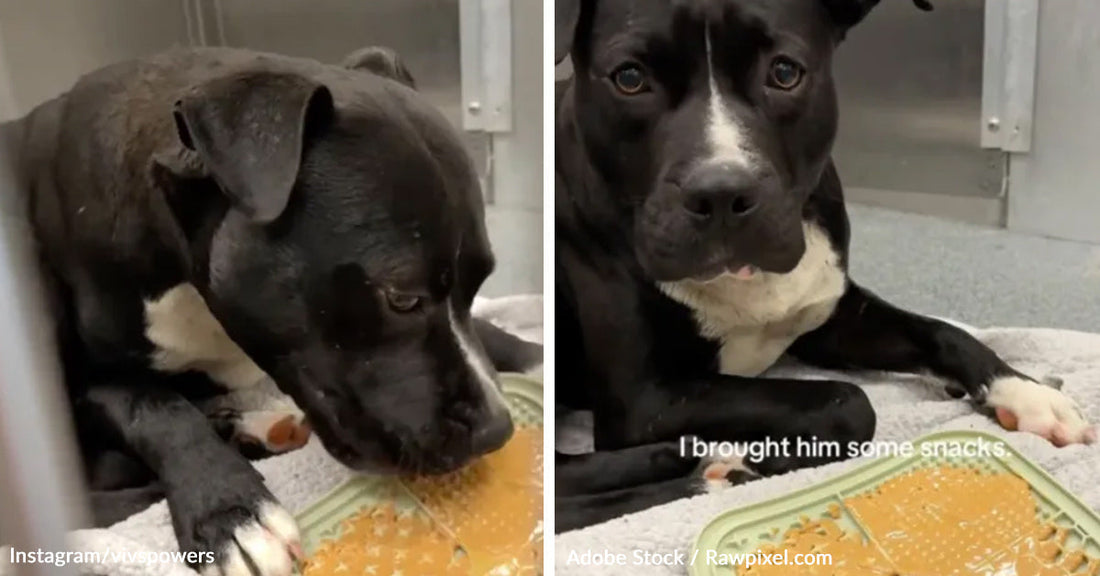
For some shelter dogs, the hardest step is not learning to sit or walk on a leash. It is finding the courage to leave the security of a small concrete kennel and face a world that has suddenly changed. That is exactly where a gentle dog named YAYO finds himself at Dallas Animal Services, and his story is a powerful reminder of how much quiet, consistent compassion it can take to help a “scared shelter dog” feel safe again.
According to the original account, YAYO was surrendered by his owners and brought into the shelter, a transition that has left him completely overwhelmed. Instead of greeting people at the kennel door with wagging tail and eager eyes, he sits timidly in his cramped space, looking out with a kind of stunned sadness. When a volunteer gently tugs his leash, hoping to coax him forward, he stays rooted to the floor. The unfamiliar smells, sounds, and routines have taken away everything he knew, and he is still trying to make sense of it.

With patience and teamwork, shelter workers manage to help him take that first big step out of his kennel. Even this small journey reveals how unsettled he feels. Once outside in the sun, YAYO stands uncertainly in the corner of the yard, one leg lifted as if he is not sure what to do with his paws on the grass. For many dogs, the outdoor run is a place to romp and sniff. For him, it is another confusing environment where nothing feels familiar.
In time, he makes his way toward the outdoor kennel and chooses to sit inside it even though the gate is wide open. To humans, it may look like he is isolating himself, but for a frightened dog, a small, defined space can feel safer than the wide open. A volunteer walks up and gently pats him on the head, offering a calm presence and a soft touch. Simple as it is, that quiet interaction is part of the slow work of rebuilding trust.
Vivian, who shares his progress online through @vivspowers, has taken a special interest in helping YAYO rediscover a sense of security. She explains that she started bringing him snacks as a way to reach him in a language most dogs understand: food offered with kindness. Instead of pushing him to play or socialize before he is ready, she focuses on making his kennel a place where good things happen.
One of her first tools is a lick mat covered in peanut butter, placed inside his kennel so he can enjoy it in his own time. When she first offers the mat, YAYO looks up curiously but hesitates. It is as if he is unsure whether he is allowed to accept this small pleasure. For many surrendered animals, the rules of their world have shifted so abruptly that they no longer know which behaviors are safe.
After a moment, he begins to lick the peanut butter. That first taste is a small but meaningful turning point. As he focuses on the texture and flavor, he briefly lets go of his worry. The repetitive licking can also be soothing for dogs, helping them relax in stressful environments. I found this detail striking because it shows how something as simple as a thoughtfully chosen treat can serve as both comfort and communication.
The following day, Vivian continues her visits. YAYO is still wary enough that he ducks when her hand reaches toward him. His body language makes it clear that people have become unpredictable for him, and even gentle gestures can feel intimidating. At the same time, there are signs of progress. His appetite is coming back, and he begins sampling different treat textures from a slow feeder bowl. This kind of enrichment not only keeps him mentally engaged, it also teaches him that interactions with humans bring enjoyable experiences.
It is not a sudden transformation. The narrative around YAYO emphasizes just how gradual this process is. The dog who would not step out of his kennel is now taking small steps toward trust, but he is still a quiet, cautious soul. For shelter workers and volunteers, his journey illustrates how resilience often appears in subtle shifts: a dog who approaches the kennel door instead of hiding in the back, or one who leans slightly into a touch instead of shrinking away.
Throughout YAYO’s story, the idea of a “village” shows up again and again. It takes multiple staff members to coax him out for that first walk. Volunteers stop by simply to sit with him or offer a gentle pat. Vivian brings enrichment items and shares updates with a wider online community that responds with messages of support. Some people in the comments express that they are praying he will be adopted soon, while others send words of love and encouragement, even from a distance. This network of care underscores that supporting a timid shelter dog is rarely a solo effort. It is a community project built on consistency and respect for the dog’s pace.
There is also an important message here about the role of fostering in transforming a fearful dog’s life. The original account notes that YAYO is waiting at Dallas Animal Services for a hero who can take him out of the kennel environment. A foster home would mean fewer overwhelming noises, more routine, and a chance to practice everyday skills in a calm setting. For dogs who shut down in shelters, fostering can be the bridge between fear and adoption.
Stories like YAYO’s also highlight why adopters who are open to shy or sensitive dogs can make such a profound difference. Not every dog runs up to greet visitors on the first meet and greet. Some, like this quiet pup, need a bit more patience and understanding. Yet the same qualities that make them cautious can also make them deeply observant, attuned companions once they feel safe. With time, consistent kindness, and positive experiences like those Vivian is carefully creating, many scared dogs blossom into devoted family members.
In the end, YAYO is not just a “scared shelter dog” or a case study in behavior. He is an individual with a gentle nature who has lost his familiar world and is slowly rebuilding trust one lick mat and soft head pat at a time. Dallas Animal Services staff and volunteers see that quiet resilience and are working together to help him find a family that will stay, offering the stability he needs to fully come out of his shell.
For anyone moved by his story, the takeaway is clear. Supporting dogs like YAYO can look like adopting, fostering, volunteering at a local shelter, or simply sharing their stories so the right person has a chance to find them. A nervous dog sitting in the back of a kennel may not be the first one to catch a passerby’s eye, but with a little help from a caring village, that same dog can one day walk out of the shelter with confidence, heading toward a home where they truly belong.