
🚨Urgent: Missile Strikes Shelter in Ukraine! Rush Emergency Aid!
How Cruciferous Vegetables Can Lower Your Colon Cancer Risk Naturally
Guest Contributor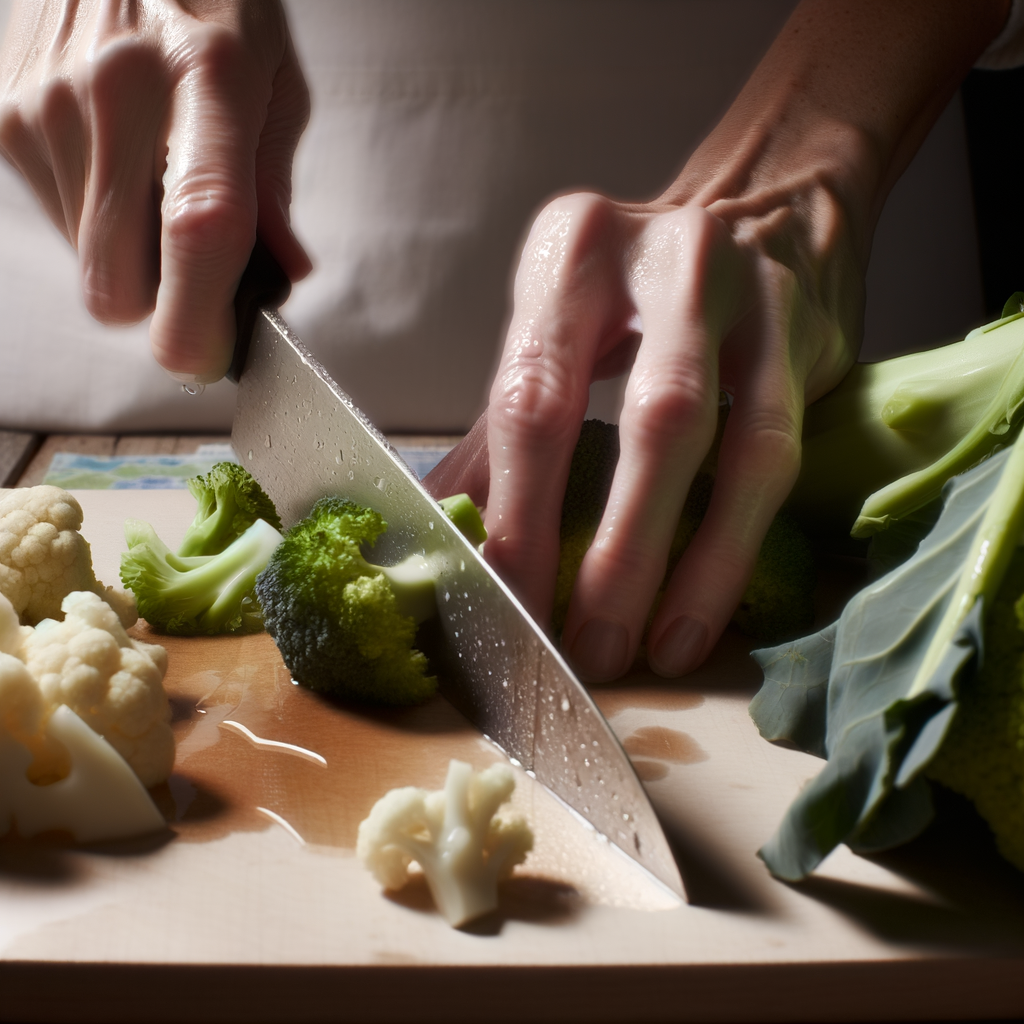
Cruciferous vegetables like broccoli, cauliflower, and kale have long been praised for their nutritional value. Now, a new study adds to the growing body of evidence suggesting that these vegetables may also play a role in reducing the risk of colon cancer. As colorectal cancer continues to rise, particularly among individuals under 50, the potential protective benefits of diet have come under increasing scrutiny. This research highlights a promising link between cruciferous vegetable consumption and lower colon cancer risk, offering a practical and natural approach to prevention.

Colorectal cancer is the third most common cancer globally, and its rising incidence among younger populations has raised alarms in the medical community. According to the study, individuals who consumed between 20 to 40 grams of cruciferous vegetables daily experienced a 20% lower risk of developing colon cancer compared to those who ate less. The protective effect appeared to level off between 40 to 60 grams per day, suggesting that even modest increases in intake could yield significant benefits.
Cruciferous vegetables are rich in compounds like sulforaphane, indoles, and glucosinolates, which have been shown to help protect cells from cancer, oxidative stress, and other harmful agents. These vegetables are also high in fiber, which supports gut health by feeding beneficial microbiota and maintaining the integrity of the gut lining. Monique Richard, MS, RDN, LDN, a registered dietitian nutritionist, explained that these compounds and nutrients work in tandem to combat free radicals and toxins while enhancing the body’s natural defenses.
Dr. Nilesh Vora, a board-certified hematologist and medical oncologist, commented on the study’s findings, stating that they are thought-provoking and may help generate hypotheses about dietary links to colon cancer. He emphasized the importance of exploring environmental and lifestyle factors, such as diet and exercise, to better understand the rising rates of colon cancer in younger adults. While he supports the study’s implications, he also called for further validation through additional research.
I found this detail striking: the study analyzed data from over 97,000 participants across 17 separate studies. This large sample size lends weight to the findings and underscores the potential public health impact of simple dietary changes. The idea that just 20 grams of broccoli or its cruciferous cousins could contribute to a measurable reduction in cancer risk is both encouraging and actionable.
For those who find the taste or texture of cruciferous vegetables less appealing, Richard offered several practical tips for incorporating them into everyday meals. Starting with small servings—such as a cup of cabbage slaw at lunch and half a cup of cooked broccoli at dinner—can ease the transition. Chopping vegetables like broccoli or cauliflower up to 45 minutes before cooking can activate beneficial compounds while reducing pungency. Light steaming helps preserve these nutrients.
Roasting is another flavorful option. Breaking broccoli or cauliflower into florets, drizzling them with olive oil, garlic, salt, pepper, and Worcestershire sauce, then roasting until golden brown brings out their natural sweetness. For those who enjoy bold flavors, topping cooked Brussels sprouts, cabbage, or kale with mustard seed, wasabi, soy sauce, or horseradish can add a spicy, Asian-inspired twist while enhancing their health benefits.
Blending raw greens like arugula or kale into smoothies is a subtle way to incorporate them into a daily routine. Grated cabbage can be added to slaws, stir-fries, or salads, or used as a garnish for fish or tofu. Richard also recommended medley bowls that mix various vegetables and whole grains, such as radish, kohlrabi, and carrot ribbons with long-grain rice or quinoa, finished with lemon zest or a flavorful dressing.
Additional ideas include folding broccoli florets into omelets or casseroles, making kale chips, and using riced cauliflower or mashed turnips as substitutes for traditional starches like potatoes or rice. Even small changes, like mixing arugula into a salad or adding mustard greens to a sandwich, can contribute to a healthier diet.
These suggestions highlight that colon cancer prevention doesn’t require drastic measures or expensive supplements. As Richard aptly put it, “Colon cancer prevention is not in a pill — it comes in your farmer’s fields, garden, and produce aisle.” Her advice underscores the importance of turning scientific findings into practical, flavorful choices that support long-term health.
While further research is needed to confirm these findings and better understand the mechanisms involved, this study offers a compelling case for the role of cruciferous vegetables in cancer prevention. For those looking to make meaningful changes to their diet, adding more broccoli, cauliflower, kale, and similar vegetables is a simple yet impactful step. As always, consulting with a registered dietitian nutritionist can help tailor dietary choices to individual health needs and preferences.