
🚨Urgent: Missile Strikes Shelter in Ukraine! Rush Emergency Aid!
How Plant-Based Diets Significantly Reduce Cancer Risk, New Study Shows
Guest Contributor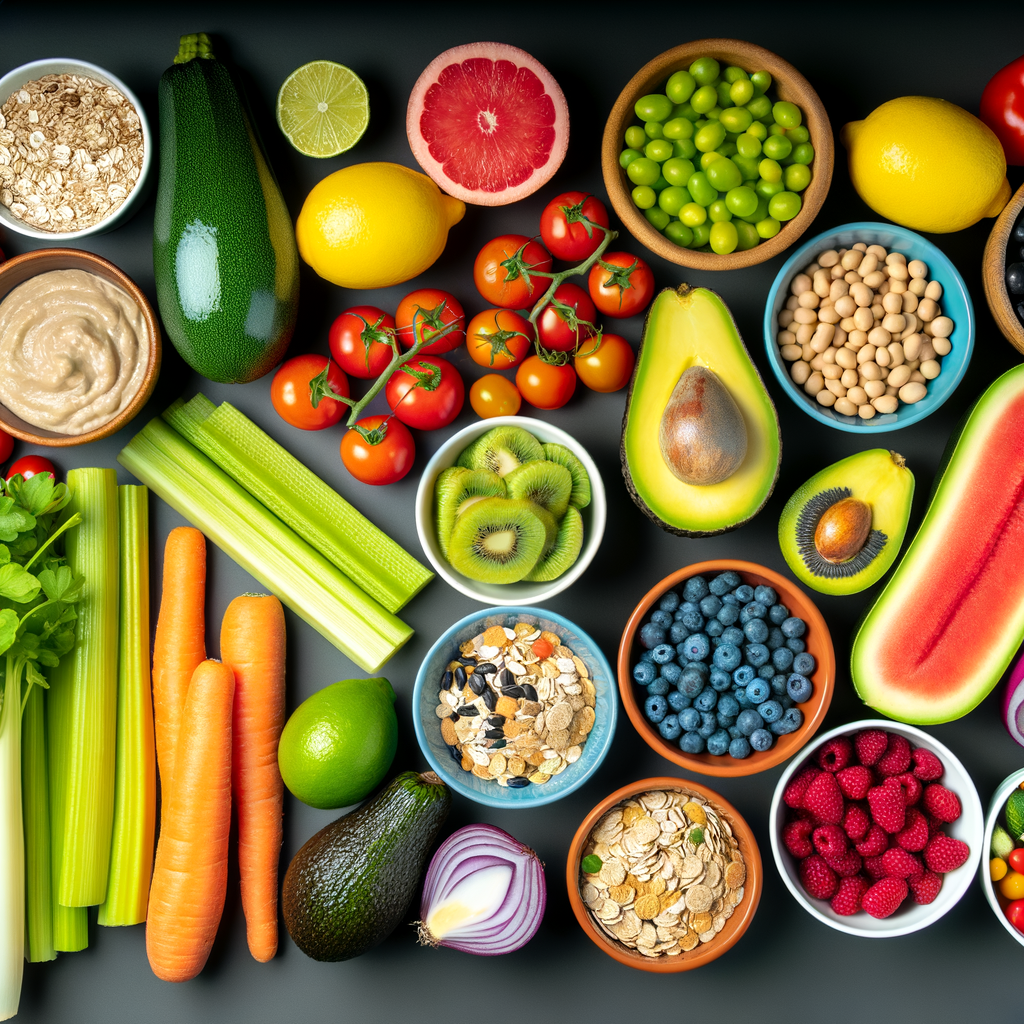
A major new study has brought renewed attention to the potential health benefits of plant-based diets, particularly in reducing cancer risk. According to findings published in The American Journal of Clinical Nutrition, individuals who follow vegetarian diets may significantly lower their chances of developing several types of cancer—including some that are less commonly studied. This research, part of the Adventist Health Study-2, examined the dietary habits of nearly 80,000 members of the Seventh-day Adventist Church across the United States and Canada, none of whom had cancer at the study’s outset. The results suggest that a plant-based diet could play a meaningful role in cancer prevention.

One of the study’s most compelling insights is that vegetarians overall had a 12 percent lower risk of developing any type of cancer compared to those who consumed meat at least weekly. The reduction in risk was even more pronounced for certain cancers categorized as “medium-frequency,” such as melanoma, thyroid, ovarian, pancreatic, stomach, and lymphomas, where the risk dropped by 18 percent. I found this detail striking: among the various vegetarian groups, vegans experienced the most significant reduction in cancer risk—24 percent overall. For younger vegans, the study noted a 43 percent lower risk of prostate cancer and a 31 percent lower risk of breast cancer.

The study categorized vegetarian diets into three groups: vegans, who consume no animal products; lacto-ovo vegetarians, who include dairy and/or eggs but exclude meat and fish; and pesco-vegetarians, who add some fish to a largely vegetarian diet. These distinctions allowed researchers to compare dietary patterns with more nuance. Across all categories, reductions in cancer risk were observed, but the vegan group consistently showed the most substantial benefits. For example, vegans had a 23 percent decreased risk of developing medium-frequency cancers.
While the research was observational and cannot definitively prove that plant-based diets cause lower cancer rates, the associations were described by the authors as “strong and persuasive.” Lead author Gary E. Fraser emphasized the unique nature of the findings, particularly regarding less-studied cancers such as stomach and lymphomas. He noted that the data may also point to reduced risk for cancers of the lung, ovary, and pancreas, although those associations did not reach statistical significance in this study.
These findings contribute to a growing body of evidence suggesting that a plant-based diet—rich in fruits, vegetables, legumes, and whole grains—may offer protective benefits against not only cancer but also other chronic conditions such as heart disease and type 2 diabetes. The link between plant-based diets and reduced risk of common cancers like colorectal, breast, and prostate is already well documented. This new study adds weight to the argument that such diets may also guard against a broader range of cancers.
Despite these promising insights, healthcare systems worldwide have been slow to promote plant-based eating. In the UK, there are increasing calls for the National Health Service (NHS) to adopt more plant-based options as part of its healthcare strategy. Research has suggested that doing so could potentially save the NHS around £74 million in costs. Dr. Shireen Kassam, a consultant haematologist and founder of Plant Based Health Professionals UK, commented on the study’s implications, stating that the medical profession should support the implementation of plant-based diets within healthcare settings. She emphasized that plant-based eating not only helps reduce cancer incidence but may also improve outcomes for those already diagnosed with cancer.
These recommendations are supported by additional research highlighting the dangers of even low-level consumption of processed meats. Experts are increasingly urging health organizations to reconsider their dietary guidelines in light of mounting evidence. A recent study cited in the article warned that no level of processed meat consumption is considered safe, further strengthening the case for plant-based alternatives.
Nutrition experts have long praised vegan diets for aligning closely with established nutritional guidelines. A diet centered on plant-based foods tends to be high in fiber, antioxidants, and essential nutrients while being lower in saturated fat and cholesterol. These factors likely contribute to the lower incidence of chronic illnesses observed in populations that adhere to such diets.
While the study stops short of making definitive causal claims, its findings are difficult to ignore. The data provides compelling support for the idea that what we eat can have a profound impact on our long-term health. For individuals considering dietary changes, this research offers a strong incentive to explore plant-based options, not just for personal well-being but also for broader public health benefits.
As more studies continue to explore the relationship between diet and disease, the conversation around plant-based nutrition is evolving. The current evidence suggests that incorporating more plant-based meals into one’s diet could be a practical and effective step toward reducing cancer risk and enhancing overall health. For healthcare providers, policymakers, and individuals alike, these findings serve as a timely reminder of the powerful role nutrition can play in disease prevention.