
Platypuses Return Home After Drought and Somehow Know Exactly What to Do
Guest Contributor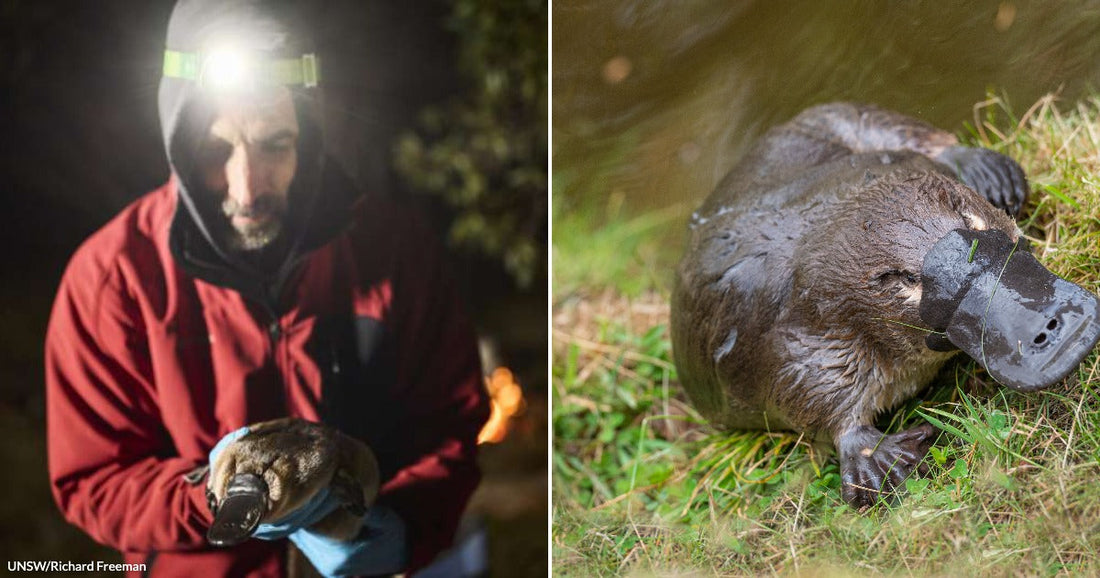
The story of the platypus at Tidbinbilla Nature Reserve begins in a time of deep strain on the landscape. During the great drought of 2019, the pools that usually shelter these elusive animals dried to dust. In that stark setting, conservation staff faced an urgent choice. With water gone and habitat collapsing, they intervened to protect the platypus population. Seven platypuses, estimated then to represent more than half of all the platypus at Tidbinbilla, were removed from the reserve and taken to Taronga Zoo in Sydney for care and safety. For anyone interested in platypus conservation or the future of Tidbinbilla, this difficult chapter helps explain why someone visiting the reserve today might actually be more likely to catch a glimpse of one of these remarkable animals.
The moment the pools disappeared marked a turning point. Conditions in the reserve did not simply become less comfortable for wildlife, they became unlivable for animals that rely on cool, permanent water. Platypuses forage, rest, and seek refuge in creeks and pools. As the drought intensified, what had once been a secure home degraded into a dry, exposed landscape. The decision to relocate more than half the known platypus population from Tidbinbilla reflected how severe the situation had become. It was not a routine wildlife transfer. It was a response to environmental stress strong enough to threaten a local collapse.

Those seven platypuses did not simply vanish from public view when they were moved to Taronga Zoo. They entered a managed setting where their health, behavior, and adaptation could be closely monitored. In practical terms, it meant safe water, reliable food, and veterinary oversight, all of which are vital when wild animals have just been removed from a failing habitat. The author reports that this group constituted a major share of the entire local population. That makes their survival especially significant because their wellbeing influences whether the species remains a regular presence at Tidbinbilla or only a memory from earlier, wetter years.
The drought at Tidbinbilla reflected broader environmental challenges that affected many parts of Australia that year. Streams shrank, native plants suffered, and numerous animals sought refuge in the few remaining moist pockets of the landscape. Platypus habitat, which depends on both water and stable banks for burrows, was under particular pressure. I found this detail striking because the loss of even a handful of individuals from a small population can alter the long term prospects for that area. By contrast, safeguarding more than half of the known platypuses offered a rare chance to preserve not just individual animals, but the possibility of ecological recovery.

UNSW/Richard Freeman
In that context, the relocation to Taronga Zoo can be understood as a bridge between crisis and recovery. While many people still imagine zoos as static displays, the account here highlights a different role. Taronga provided an emergency sanctuary for wildlife from Tidbinbilla at the precise moment when natural conditions failed them. With steady water and professional care, the seven platypuses could maintain their health even as their original pools at home remained lifeless dust. In time, this kind of intervention may make the difference between a reserve that once had platypus and a reserve where visitors continue to see them in the wild.
Why might this increase the odds of sighting a platypus at Tidbinbilla now? One key reason is that population survival underpins every wildlife encounter. Each platypus that endured the drought in safe care at Taronga Zoo represented not only an individual life, but a future burrow, a future generation, and a potential new inhabitant of the restored pools at Tidbinbilla Nature Reserve. The more of the original population that survived the harshest conditions, the stronger the foundation for any subsequent return to healthier waterways.

The history of those years also changes how people might look for a platypus at Tidbinbilla. When visitors stand beside a pool or creek and watch for the telltale ripples, they are not simply glimpsing a wild animal. They are witnessing the outcome of deliberate conservation choices made during one of the reserve’s worst droughts. The author’s account of the pools drying to dust makes clear that natural resilience had limits. Human action, carefully timed and scientifically guided, gave the animals a margin of safety that nature could not provide at that moment.
It also invites reflection on how closely the fate of iconic species is tied to broader climatic patterns. The great drought did more than push water levels down. It compressed habitat, intensified competition, and tested the adaptability of animals already suited to a specific niche. Platypuses evolved for cool, flowing creeks with stable banks and sufficient invertebrate life. As those conditions faltered, their vulnerability increased. The fact that seven individuals could be located, assessed, and relocated before conditions deteriorated further suggests that active monitoring at places like Tidbinbilla can be decisive for species with relatively small, localized populations.
The emotional weight of this story comes from its mix of loss and cautious hope. The image of pools turned to dust conveys the severity of the drought. At the same time, the capture and transfer of the platypuses to Taronga Zoo in Sydney offers a counterpoint. It shows that, even amid environmental crisis, practical steps can be taken to keep a species present in a landscape it might otherwise vacate permanently. If visitors to Tidbinbilla are now seeing platypuses more often, those encounters are likely grounded in this earlier period of intense care and intervention, when more than half of the population was shielded during the worst conditions.
Thinking about Tidbinbilla today, it is possible to see the reserve as a place that carries both a memory of drought and a story of protection. The platypus that surfaces briefly then disappears beneath the water is part of a lineage that nearly faced a much steeper decline. Thanks to the decision to remove and house seven animals at Taronga Zoo when local waters failed, Tidbinbilla retains its connection to one of Australia’s most distinctive creatures. For anyone hoping to see a platypus in its natural setting, understanding that history deepens the experience of watching the water, waiting for that fleeting, unforgettable sighting. Read more at https://www.begadistrictnews.com.au