
🚨Urgent: Missile Strikes Shelter in Ukraine! Rush Emergency Aid!
Decades After Whaling Wiped Them Out, One Whale Population Is Staging an Extraordinary Return
Guest Contributor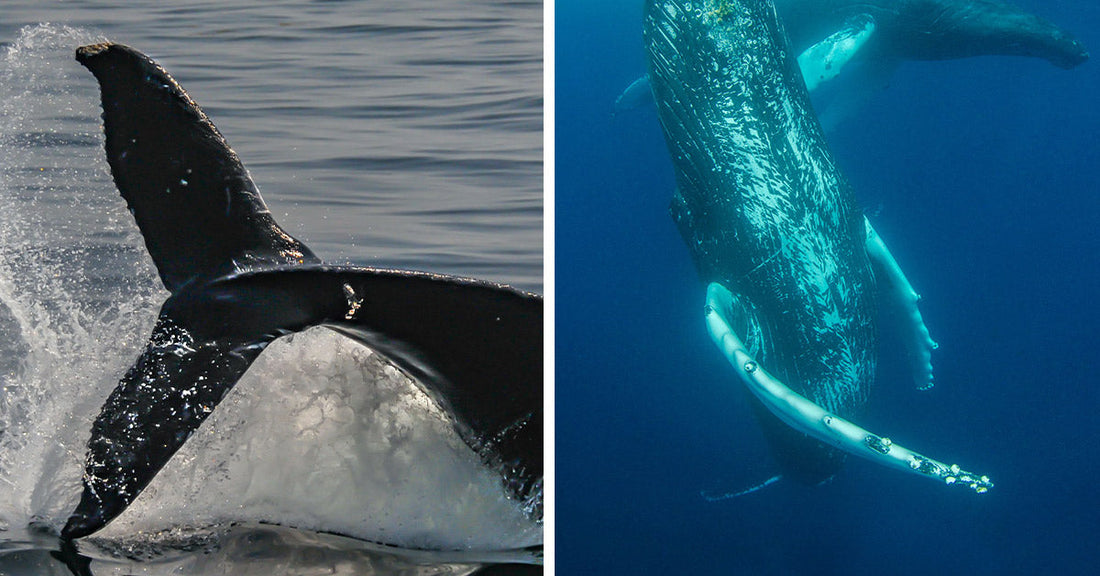
Humpback whales are writing one of the ocean’s most hopeful comeback stories, and along the coast of Brazil that story is now impossible to miss. In the waters off Rio de Janeiro, particularly around Guanabara Bay, whale watching has surged as recovering humpback whale populations transform the region into a seasonal stage for these giant marine mammals.
Just a few decades ago, the prospects for humpbacks were bleak. Commercial whaling had driven populations to the brink in many parts of the world, including the South Atlantic. According to figures cited in recent reporting, the humpback population moving along Brazil’s coast was estimated at only around 2,000 animals in 1986. Today that number has soared to approximately 35,000, a 27-fold increase that speaks to what can happen when hunting stops and protections hold.

Each year, this recovering population embarks on a long migration that connects two very different worlds. In the cold, nutrient-rich waters around Antarctica, the whales feed and build up energy reserves. When the time comes to breed and give birth, they travel north to warmer tropical and subtropical seas. A segment of this population passes by Rio de Janeiro and Guanabara Bay on its way to the Abrolhos Bank, a coral reef region spanning the coasts of the Brazilian states of Bahia and Espirito Santo.
Abrolhos Bank is highlighted in the reporting as one of the most biodiverse areas of the Atlantic. Warm, relatively shallow waters and rich reef systems create an ideal sanctuary for humpbacks to calve and nurse their young. This seasonal journey between Antarctic feeding grounds and Brazilian breeding grounds has been part of humpback life for countless generations. What has changed in recent decades is the number of whales making the trip, and the number of people watching them.

The migration peaks between June and November. During these months, humpback whales travel close enough to shore that their towering blows, tail slaps, and occasional acrobatic breaches can be seen from whale watching boats off Rio and in Guanabara Bay. Local organizations have stepped in to document and share these encounters with the public, turning a conservation success into an educational and economic opportunity.
Groups mentioned in the original reporting include the Humpback Whale Project, the nonprofit Amigos da Jubarte, and the tourism agency in Niteroi, a city across the bay from Rio de Janeiro. Their members have been working to photograph, identify, and monitor the whales while also taking visitors out on guided tours. These trips provide a chance to see humpbacks in the wild, but they also function as a platform for raising awareness about marine life and ocean stewardship.

Enrico Marcovaldi, co-founder of the Humpback Whale Project, captures the mood of those on the water. He describes the sight of so many whales as “wonderful” and emphasizes that their growing numbers show that the species is making a recovery, appears healthy, and is thriving. That perspective underlines a larger point. Humpbacks have become a symbol of what is possible when international agreements, national policies, and local engagement align around the goal of species protection.
In the same coverage, André Bento, president of Niteroi’s tourism agency, reflects on the transformative nature of the tours. Speaking during an outing in late June, he suggests that tourism itself can be a tool for conservation. Watching a humpback surface nearby, hearing the sound of its breath, or seeing a calf swimming alongside its mother can leave a deep impression. Bento remarks that he does not think anyone who boards the boat returns to shore exactly the same. That comment points to a change not just in whale numbers, but in human perception.
Responsible whale watching, as described in this context, is about more than entertainment. It can connect people to the realities of marine ecosystems and to the impacts of human choices, both harmful and beneficial. The end of commercial whaling in these waters is part of what allowed humpbacks to rebound. Now, those same whales support local livelihoods through tourism that depends on keeping them safe and thriving. In this way, economic value is tied directly to conservation outcomes.
I found this detail particularly striking because it turns a historic wrong into a living, visible model of recovery. Where whaling ships once hunted humpbacks, boats now carry observers armed with cameras and binoculars instead of harpoons. The whales themselves become ambassadors for ocean health, their presence a reminder that long-term protection can reverse even deep declines.
Brazil is not alone in witnessing such a resurgence. The original article notes that record numbers of humpback whales have been reported in other parts of the world as well, including South Africa, eastern Australia, and the Salish Sea off the coast of Seattle. In that last region, humpbacks had been absent from view for many years. Now hundreds are appearing again, suggesting that large sections of the North Pacific humpback population have returned to old migratory routes or expanded into once-abandoned habitat.
This wider pattern of return does not erase ongoing challenges in the oceans, from entanglement in fishing gear to ship strikes and climate-related changes in prey availability. The reporting does not delve into those topics, yet the Brazilian example still stands as a reminder of resilience. When direct pressure is lifted and essential habitat remains intact, many species have the capacity to recover.
In Guanabara Bay and along the neighboring coastline, that recovery is not abstract. It can be photographed, counted, and shared with visitors who return to shore with memories and images that may shape how they think about the ocean for years to come. The combination of science-based monitoring, community engagement, and mindful tourism offers a hopeful model for how humans and marine life can coexist more respectfully.
As thousands of humpback whales continue their seasonal journeys between Antarctica and Brazil’s Abrolhos Bank, their growing presence off Rio de Janeiro serves as a living celebration of what sustained conservation can achieve. Each breach and fluke-slap during the June to November season signals not only the vitality of a species, but also the possibility of a future where ecological recovery stories become more common along coasts worldwide. Read more at https://www.goodnewsnetwork.org