
🚨Urgent: Missile Strikes Shelter in Ukraine! Rush Emergency Aid!
A Cat’s Organs Were Exposed While Its Owner Tried Herbal Remedies
Guest Contributor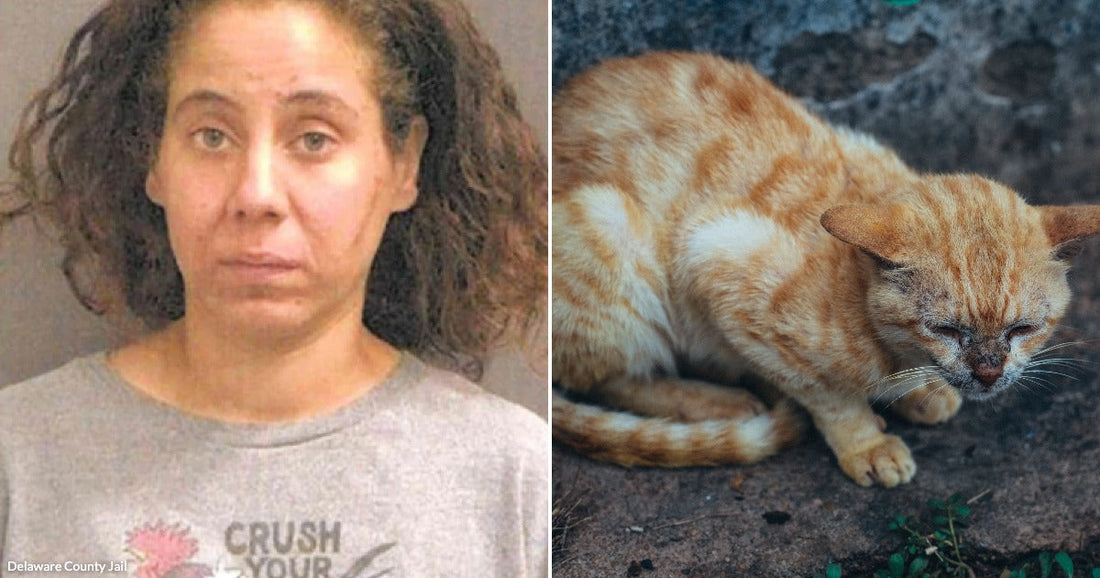
The recent report of an Indiana woman arrested after her cat was found with exposed organs and a fractured spine is deeply disturbing. Stories of animal cruelty are always painful to read, and this one, involving a companion animal who was reportedly suffering from catastrophic injuries, has a particularly somber weight. As the details unfold, they raise difficult questions about responsibility, animal welfare laws, and what it means to act in the best interest of a pet. Incidents like this highlight why animal cruelty charges and proper veterinary care are so critical.
According to reporting from WXIN, authorities were called to a veterinary clinic in Fishers, Indiana, around 1:40 p.m. on a Monday after staff there encountered a cat with severe injuries. The cat, named Mia, was found with a fractured spine, a broken back, and exposed intestines. The description of Mia’s condition suggests a level of trauma that veterinarians and first responders rarely forget. Serious spinal injuries and exposed organs are typically associated with extreme accidents or violent encounters and often leave very little room for recovery.

Delaware County Jail
The article notes that 36-year-old Eliza Henriquez, Mia’s owner, was taken into custody following this incident. Henriquez reportedly told authorities that Mia had been attacked by a canine. Without speculating on what may or may not have happened, the factual record given in the report focuses on the cat’s injuries and what medical experts concluded should be done next. Faced with the extent of the trauma, veterinarians advised that euthanasia would be the most humane option for the suffering animal.
According to the report, Henriquez declined that recommendation. She allegedly told veterinary staff that she had holistic herbal remedies at home and accused them of wanting to kill her cat. The conversation described in the article reveals a clear conflict between professional veterinary judgment and the owner’s stated beliefs about care. This is not a new tension in the broader world of animal health, where some people place great faith in alternative treatments. However, when an animal’s injuries are as extreme as broken vertebrae and exposed intestines, mainstream medicine generally views euthanasia as an act of mercy rather than a willingness to give up.

The situation did not end at the clinic. Authorities obtained a search warrant and went to Henriquez’s home. What they reportedly found there added another layer to the story. Inside the home, police and animal control discovered 11 cats and one dog. According to the report, Mia was removed from the home by Animal Control and was ultimately euthanized. While the article does not elaborate on the condition of the other animals, the presence of multiple pets in a case that already involves a severely injured cat naturally heightens concern about potential animal neglect or cruelty.
WXIN further reports that this is not the first time Henriquez has faced legal trouble related to animals. In 2025, she was reportedly arrested in connection with an alleged dogfighting ring involving more than 20 injured animals that were found to have fleas. Dogfighting is widely recognized as a serious form of animal cruelty and is illegal throughout the United States. Even without adding speculation, the mention of a prior arrest tied to an alleged dogfighting operation gives additional context to why authorities may be taking the current allegations so seriously.
The latest charges against Henriquez, according to the report, include cruelty to an animal, classified as a felony, and abandonment or neglect of a vertebrate animal, classified as a misdemeanor. She was taken to the Delaware County Jail, and at the time of the report, the investigation remained ongoing. Animal cruelty charges can carry significant penalties, from fines and probation to incarceration, and they are often intended not only to punish harmful behavior but also to protect animals from future abuse. In this case, the inclusion of a felony cruelty charge underscores the gravity with which local authorities appear to be viewing Mia’s suffering.
This story also touches on a broader theme: the tension between personal beliefs about pet care and the standards set by veterinary science. Many pet owners want to explore holistic or natural remedies, especially for chronic conditions or quality-of-life issues. Yet when an animal experiences catastrophic trauma, widely accepted veterinary practice holds that immediate, evidence-based interventions are essential. When those interventions cannot offer a path to recovery, euthanasia may be recommended not as a convenience but as a means of sparing the animal from prolonged and inescapable pain.
I found the reported detail about Mia’s exposed intestines especially striking. That kind of injury is severe and typically life-threatening, often demanding urgent surgical intervention if there is any hope of survival. Combined with a fractured spine and a broken back, the prognosis is almost always grim. From a medical standpoint, the suffering of the animal becomes the central concern, and the decision to euthanize is framed as an act of compassion. For many veterinarians, letting an animal linger in this state without realistic prospects of recovery is seen as a serious ethical problem.
Stories like this are difficult to read, yet they serve as stark reminders of the importance of robust animal welfare laws and clear channels for reporting suspected cruelty or neglect. They also highlight the crucial role veterinary professionals play in advocating for animals who cannot speak for themselves. When veterinarians alert law enforcement to suspected abuse or neglect, they are engaging in an essential form of protection. The investigation mentioned in this report will presumably look closely at what happened to Mia, how long she was in distress, and what conditions existed in the home where multiple animals were kept.
For communities, these incidents can become a catalyst for reflection. People may ask how to recognize signs of abuse, what resources are available for struggling pet owners, and how to support local shelters and animal control agencies. While the article does not delve into solutions, it implicitly underscores that animal cruelty cases are not isolated moments. They intersect with issues of mental health, access to affordable veterinary care, and public awareness about responsible pet ownership. Responsible pet care involves not only feeding and sheltering an animal but also making difficult decisions when an animal is critically injured or suffering.
Ultimately, the case described here is still under investigation, and the legal process will determine what occurred and what consequences, if any, are appropriate. What is already clear from the reporting is that a cat named Mia endured catastrophic injuries and did not survive. That alone is a sobering outcome. For those who care about animal welfare, it reinforces the need to support humane treatment, listen to veterinary guidance in emergencies, and ensure that pets receive timely, compassionate care, even when the kindest choice is also the hardest one to make. Read more at https://local12.com