
Beloved Elephant’s Death Sparks Urgent Push for Wildlife Protection in Sri Lanka
Guest Contributor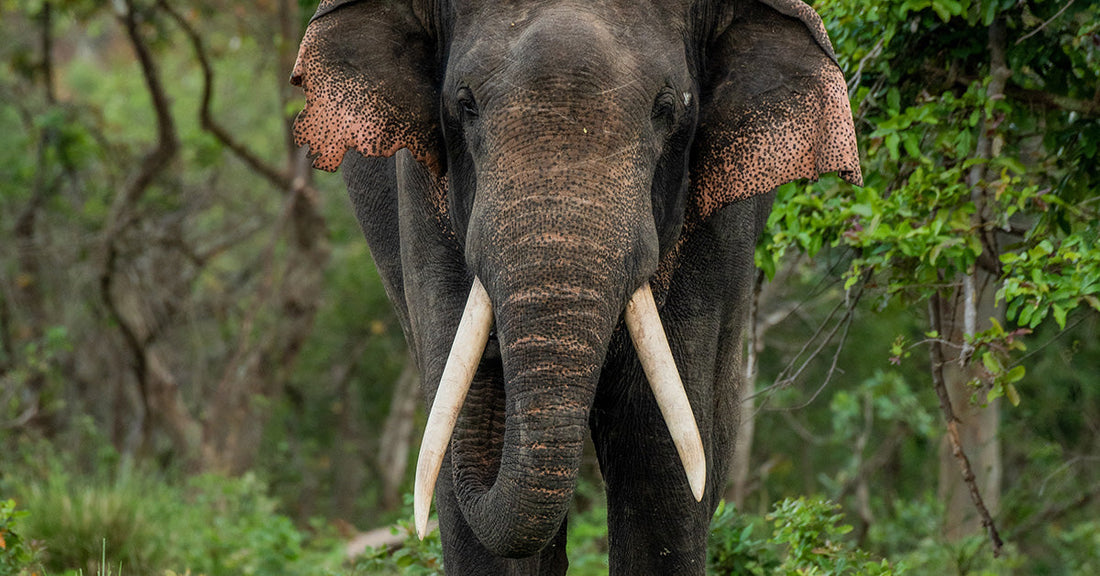
The death of Kavantissa, a towering wild tusker from north western Sri Lanka, has become a heartbreaking symbol of the country’s human-elephant conflict. This iconic bull elephant, considered the tallest on the island and known locally for his gentle temperament, died in mid-October from suspected gunshot injuries. His loss has not only devastated the community that grew to love him, it has also intensified scrutiny of wildlife protection efforts, illegal firearms, and the broader management of Sri Lanka’s elephant population.
For years, residents of Galgamuwa watched Kavantissa roam their landscapes and cross the local railway line with a kind of quiet dignity. In a region that lies at the center of one of Sri Lanka’s worst human-elephant conflict zones, villagers still made an exception for this particular animal. Locals recall that despite the tension that often accompanies elephant encounters, Kavantissa had no record of attacking humans. They saw him not as a threat but as a familiar presence who shared their land.

Two residents in particular, Bandara and Kumara, devoted themselves to watching over Kavantissa and the herd of Sri Lankan elephants that gained fame for crossing the railway tracks in Kasikote, a town between Galgamuwa and Ambanpola. This regular movement became a minor spectacle among wildlife enthusiasts. Videos and photos of the herd, often with Kavantissa appearing last as if to close the procession, spread on social media. People traveled just to see the elephants step carefully over the tracks and pass into nearby fields and tanks.
Bandara remembers that Kavantissa would wait until the rest of the herd had crossed before moving forward, as if making sure they were out of harm’s way. Sometimes the tusker would pause near the Palukadawala tank, giving those watching a moment to appreciate his immense yet calm presence. On occasion he would push aside electric fences that blocked his path, a reminder of the constant tension between elephant movement and human attempts at control. These memories, once a source of local pride and joy, now carry a weight of grief.
News of Kavantissa’s death on October 17 spread quickly across the country. Initial reports indicate a gunshot wound in his right front leg as the suspected cause, although the official postmortem report had yet to be released at the time of reporting. The image of one of Sri Lanka’s most recognizable wild elephants dying from gunfire has touched a nerve in a nation where elephants are often celebrated in culture and religion, yet increasingly struggle to survive in fragmented habitats.
Statistics from Sri Lanka’s Department of Wildlife Conservation show how widespread such violence has become. Between 2010 and May 2026, gunshot injuries were recorded as the cause of death for 976 wild elephants. These deaths sit alongside other causes such as electrocution, explosive “jaw bombs,” poisoning, and collisions with trains and vehicles. Taken together, they illustrate how lethal the landscape can be for a species that many still consider a national treasure.
The availability and use of firearms in rural areas form a critical part of this story. For decades, Sri Lankan farmers have had access to licensed guns, historically justified as a means to protect crops. In recent years, public debate has intensified as some political figures discussed easing farmers’ access to firearms or distributing air rifles to reduce crop damage from animals. Statements suggesting that landowners could take any action to defend their property sparked criticism from subject experts, particularly when those comments appeared to blur the line between unprotected crop-raiding animals and legally protected species such as elephants.
Even when later clarifications attempt to narrow the scope of such remarks to animals like monkeys, wild boar, and peafowl, the concern remains that a permissive attitude toward weapons in rural landscapes increases risks to larger wildlife. The deaths of other notable tuskers, such as Bathiya in 2025 and the repeated gunshot injuries suffered by another elephant named Agbo, underscore how quickly “free-floating guns” can change from a means of crop protection into tools of irreversible harm to keystone species.

In response to the outcry following Kavantissa’s death, wildlife authorities have defended their ongoing efforts while pledging to strengthen enforcement. The director general of the Department of Wildlife Conservation has argued that social media criticism often overlooks the day-to-day realities of fieldwork. According to his account, the department conducts regular patrols to confiscate illegal firearms and detect other wildlife crimes inside protected areas. He notes that some operations remain unpublicized due to their sensitivity but insists that there are resources and funding in place to manage wildlife conservation activities.
At the heart of the crisis, however, lies the shrinking space available for wild elephants. Researchers point out that around 82% of Sri Lanka’s land area is now occupied by humans, leaving only about 18% without permanent human presence. Forest clearing for agriculture has pushed elephants out of once dense habitats and into farmlands and settlements. The DWC estimates that about 70% of the country’s elephants now live outside formal protected areas. This means most elephants are moving daily through landscapes where they must navigate farmland, infrastructure, and people, increasing both the potential for conflict and the difficulty of safeguarding them.
Wildlife officials also stress that there is a natural carrying capacity for every habitat, and that not all elephants can be housed inside national parks and reserves. They estimate that Sri Lanka has more than 7,000 elephants today, a number that counters some claims of rapid decline. Even so, each death of a mature tusker like Kavantissa represents the loss of what authorities sometimes call an “ecosystem engineer,” an animal whose foraging and movement shape the environment in ways that benefit numerous other species.
The emotional resonance of Kavantissa’s story has extended beyond Sri Lanka’s borders. His death has rekindled concerns in Thailand, where animal rights groups are pressing their government to repatriate two elephants that were previously donated to Sri Lanka. This follows the high-profile return of Sak Surin, known in Sri Lanka as Muthu Raja, who was sent back to Thailand in 2023 amid allegations of neglect and injury. Such episodes influence how international partners view wildlife management and care standards, particularly for iconic animals that serve as living ambassadors between countries.

Facing public anger and demands for transparency, the Sri Lankan government has appointed an expert committee to investigate and respond to the circumstances surrounding Kavantissa’s death. The committee’s first meeting reportedly focused on creating scientific standard operating procedures so that future incidents can be handled quickly and consistently. One key proposal involves setting up a rapid response veterinary unit dedicated to emergencies in the field, which could prove vital when injured elephants are first detected.
The loss of Kavantissa has become more than a single tragedy. It is a lens through which many people are reassessing how Sri Lanka balances human needs, agricultural expansion, and the protection of its wild elephants. The story of this gentle tusker who never attacked a human, yet died from a gunshot wound in a contested landscape, raises difficult questions that cannot be answered by outrage alone. It points toward the need for better enforcement against illegal firearms, more thoughtful land use planning, and faster medical response when animals are injured.
If there is any small hope in this somber moment, it may lie in the way Kavantissa’s life and death have galvanized attention. From villagers in Galgamuwa to wildlife enthusiasts, conservationists, and international observers, many are now watching how authorities turn promises into practice. Whether those changes arrive quickly enough to protect the next elephant that ambles across a railway track or pauses at a village tank will be one measure of how seriously this iconic tusker’s legacy is taken. Read more at https://news.mongabay.com/2026/10/death-of-iconic-elephant-in-sri-lanka-pushes-authorities-to-fast-track-protection-efforts/