Cat With A Broken Back Dragged Through Cruelty Finds A Fighting Chance To Heal
Guest Contributor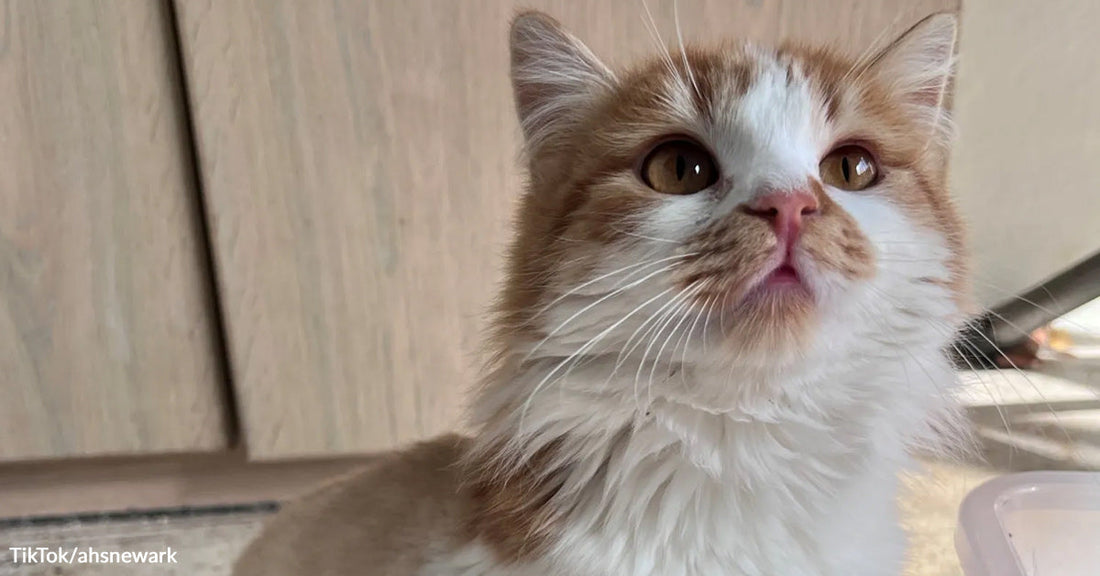
In a world where some people see animals as beloved family members and others treat them as a nuisance, stories like Kiri the cat’s remind readers how much difference compassion can make. This account of animal cruelty in Lebanon and one cat’s long recovery journey highlights both the reality of abuse and the power of rescue organizations to transform lives. For anyone who cares about animal welfare, Kiri’s experience is both heartbreaking and quietly hopeful.
Kiri lived in Bekaa in Lebanon, where a number of neighborhood cats were fed and cared for by local residents. According to rescuer Sandra Mouawad, who runs the Paws Crossed rescue center, some neighbors did what they could to look after the animals. Others, however, simply did not care. One day a child was reportedly seen throwing stones at Kiri, laughing as if she were just a toy rather than a living being. The result was devastating. Mouawad explained that Kiri’s back was broken in half, leaving her hind legs immobile and dragging behind her.

A video shared on the rescue center’s TikTok account, @pawscrossedleb, captured Kiri as a fluffy ginger and white cat pulling herself along with her front legs across the ground. The clip has drawn more than 1.8 million views, and it is easy to understand why. Viewers could see her determination in the face of severe injury, and many were introduced for the first time to the work of rescuers in Lebanon who regularly confront such cruelty. I found this detail striking because it shows how social media can both expose suffering and rally support for vulnerable animals.
Before Kiri arrived at Paws Crossed, another rescuer had already tried to help her but was overwhelmed by costs and responsibilities. That person reached out to Mouawad, asking if anyone could be found who might cover the approximately 1,500 dollars needed for MRI scans and surgery. At first, Mouawad hesitated. She said she did not want to take on a new case, because the shelter was already full. Yet despite these practical concerns, she ultimately agreed to bring Kiri into her care, underscoring the constant tension rescue centers face between limited resources and urgent need.
Once Kiri was admitted, her path to healing began with diagnostic imaging and medical intervention. She underwent CT scans to assess the damage to her spine, then surgery intended to stabilize her broken back and give her at least a chance to walk again. Mouawad has indicated that the operation offered roughly a 60 percent chance that Kiri would regain her ability to walk. That figure shows both the uncertainty and the hope that often accompany serious veterinary procedures, especially when injuries are the result of deliberate abuse.
Medical treatment did not end in the operating room. After surgery, Kiri’s recovery involved physiotherapy ultrasound and electrotherapy to stimulate healing and help her muscles and nerves function as well as possible. According to Mouawad, this clinical care was paired with what she described as “a lot of love.” Kiri’s recovery process, therefore, did not rely purely on technology and expertise, but also on patient, consistent attention to her emotional well-being. As she progressed through rehabilitation, her story evolved from one of shocking cruelty to one of resilience supported by dedicated caregivers.
The person behind Paws Crossed did not begin life as a committed animal advocate. Mouawad has said she was not particularly fond of animals at first. That perspective changed when her family adopted their first dog. Through that experience, she came to understand the “pure love” that animals can bring into a household. Once she had seen that bond, she felt unable to ignore the amount of hatred and indifference directed at animals in her surroundings. Over time she dedicated herself to rescuing cats and dogs who might otherwise be abandoned, injured, or killed without anyone to intervene.
Context from Lebanon makes Kiri’s situation even more complex. Reports have noted that animal welfare is often not a high priority in the country, particularly in a period marked by economic crisis, political vacuum, the Covid-19 pandemic, and the devastating Beirut explosion of August 2020. Many pet owners struggle to afford food, medical care, and basic supplies for their animals. Rescue organizations, including smaller operations like Paws Crossed, face a steep increase in the number of pets being abandoned. In that environment, every case like Kiri represents a significant commitment of both money and emotional energy.
Some observers have described animal welfare in nations facing economic and social upheaval as a concern that can be dismissed as a “Western indulgence.” Within that mindset, caring deeply about cats and dogs may be seen as a luxury rather than a basic component of a compassionate society. Mouawad has remarked that there is “so much ignorance” in her community. According to her, many people do not think cats and dogs have feelings, and there are rarely serious consequences for abuse. She has cited examples of hit and run incidents, poisoning, and physical mistreatment, often when people grow tired of their pets or find themselves with a breed they cannot manage.
Legal changes are reportedly underway to improve protection for animals in Lebanon, but Mouawad has said that many residents do not yet take these laws seriously. For front line rescuers, this creates a challenging environment. They must respond not only to immediate injuries but also to a broader culture where some see animals as disposable. Kiri’s story therefore reflects both an individual act of cruelty and the larger context of how societies value, or fail to value, nonhuman lives.
Despite the distressing nature of what happened to Kiri, the public response has included a great deal of support. TikTok users left comments offering encouragement both to the cat and to those caring for her. One person asked why people cannot teach children to be kind to animals, calling them “the best things on this earth.” Another viewer expressed sorrow at Kiri’s pain and promised to interact with the post as much as possible to help it reach more people. These reactions emphasize how online communities can amplify the work of small rescues and keep stories of recovery at the forefront.
Kiri’s journey from a neighborhood cat in Bekaa to a survivor of severe spinal injury serves as a powerful example of how individual choices can counter cruelty. A single decision to take in one more injured animal, even when space is limited, led to surgery, therapy and hopeful progress instead of silent suffering. Her experience also invites reflection on how children learn to treat animals, how laws are enforced, and how societies in crisis can still protect their most vulnerable beings. While not every abused animal will find a place like Paws Crossed, stories like this one show that change is possible when compassion, medical skill, and public attention come together.