
💜 Thanksgiving Food Drive for Shelter Pets Help Us Feed 1 Million Shelter Pets!
Firefighters Revived a Dog Named Frosty With a Donated Pet Oxygen Mask After an Apartment Fire
Guest Contributor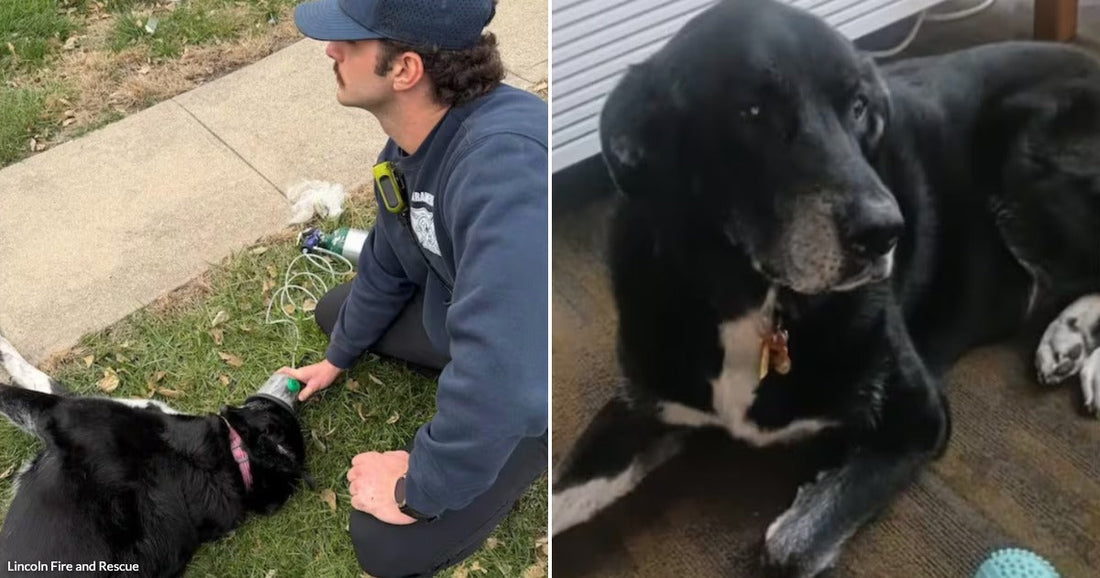
When an apartment fire broke out in Lincoln, Nebraska, early on a Tuesday morning, the situation could easily have ended in tragedy. Instead, it turned into a story of quick action, specialized training, and the powerful bond between people and their pets. A dog rescued from the Lincoln apartment fire, a pet named Frosty, not only survived but was reunited with her family the very next day. For neighbors who watched smoke seep from the eaves of the building and for the firefighters who responded, the outcome carried a sense of relief that lingers well after the flames were extinguished.
According to Lincoln Fire and Rescue, crews were dispatched around 8:40 a.m. to an apartment near Y and North 23rd streets after neighbors reported seeing smoke. The fire was eventually contained to the kitchen area of a single unit, although the exact cause remains undetermined. Containing a blaze to one unit is no small accomplishment. In multi-unit buildings, fire can move quickly, and the ability to prevent it from spreading further can mean the difference between one displaced family and many. In this case, firefighters held the damage to that single apartment, although the financial losses were still significant.

Lincoln Fire and Rescue
Officials estimate that the fire caused about $100,000 in damage, a figure that reflects not only structural harm but also the loss of personal belongings and the disruption of daily life. For the three people who lived in the affected unit, Lincoln Fire and Rescue reported that the apartment is now considered uninhabitable. They, along with Frosty, will need to be relocated. A fire does not only char walls and furniture, it upends routines, scatters possessions, and forces families to think about housing and stability at a time when they are already coping with shock.
At the heart of this particular fire story is the rescue of Frosty. The dog’s owner was not home when the blaze started, leaving Frosty alone in the apartment as smoke filled the space. When firefighters entered the unit they found the dog with shallow breathing and a weak pulse. It can be easy to overlook that first responders are trained not only to pull people from burning buildings but also to help companion animals who are often considered members of the family. In this situation, their readiness to treat a pet on scene became a turning point.

Lincoln Fire and Rescue
Lincoln Fire and Rescue spokeswoman MJ Lierman explained that crews used a donated pet oxygen mask to help Frosty. These masks are designed to fit the muzzles of dogs and other animals more effectively than standard equipment intended for humans, allowing rescuers to deliver oxygen in a targeted way. As Frosty received that treatment, she began to regain strength. According to Lierman, the dog recovered enough to walk into the veterinary clinic on her own, a remarkable contrast to the fragile condition described when she was first carried out of the apartment.
I found this detail striking because it highlights a quiet but meaningful shift in how emergency services often prepare for calls involving pets. Many departments across the country now carry specialized gear for animals as a result of donations and community partnerships. While the article does not go into a broader national context, it is widely known that such equipment can be the difference between life and death for animals caught in structure fires. Frosty’s story demonstrates that investment in a tangible and very personal way.
While Frosty received attention from rescuers, everyone else in the multi-unit building had to be evacuated as a safety measure. People in the remaining apartments were asked to leave while firefighters controlled the blaze and checked for any spread of smoke or heat. When fire alarms, sirens, and flashing lights fill a residential complex, it affects more than the single unit where flames are visible. Families step out into hallways and parking lots, uncertain of what they will find when they eventually return. In this case, the fire did not expand beyond the original apartment, which is an important part of why the overall story carries a somewhat uplifting mood despite the damage.
By Wednesday morning, Lincoln Fire and Rescue provided an update that many in the neighborhood likely hoped to hear. Frosty was reported to be back with her family and recovering. The dog had only a slight cough, a reminder of what she had inhaled during the fire but also an encouraging sign that she had avoided more serious long-term harm. After shallow breathing and a weak pulse, the outcome of returning home less than twenty-four hours later speaks volumes about the effectiveness of the on-scene care and the follow-up veterinary attention.
The emotional center of this incident is easy to recognize. For many households, a pet is not simply an animal in the home but a companion woven into daily routines. Waking up in the morning, coming home from work, or settling in at night all feel different when that familiar presence is missing. When a fire strikes and a pet is inside, those minutes between the first sighting of smoke and the news from firefighters can feel unbearably long. The account from Lincoln underscores that relief can be enormous when those minutes end in a reunion instead of heartbreak.
Stories of a dog rescued from an apartment fire also serve as gentle reminders about preparedness and community support. The article notes that the pet oxygen mask used on Frosty had been donated, illustrating how local contributions directly impact outcomes in emergencies. When residents support fire departments with appropriate gear, training, or public education campaigns, they are often shaping how future incidents unfold, even if they never see those donations put to use. In Frosty’s case, a donated tool and a prepared crew meant that a vulnerable animal pulled from a smoke-filled apartment had a real chance at survival.
There is another side to this narrative that stays with the people directly involved. The three residents of the damaged apartment now face the challenge of relocation. Although the story focuses on the fire incident and the successful pet rescue, it also acknowledges the longer process of rebuilding lives after the flames are out. Temporary housing, insurance discussions, and the task of replacing essentials all lie ahead. Yet having Frosty by their side as they navigate those steps may offer comfort and stability in the middle of disruption.
In the end, this Lincoln apartment fire illustrates a blend of loss and gratitude. Property was damaged and a home was rendered uninhabitable, yet a life that easily could have been lost was carefully carried out, treated, and returned to the family that cares for her. Lincoln Fire and Rescue limited the physical spread of the fire and used specialized equipment to revive a struggling pet. For neighbors and readers alike, Frosty’s recovery and reunion show how training, equipment, and compassion come together in emergency response, turning a morning of fear and uncertainty into a story of resilience, relief, and the enduring connection between people and their animals. Read more at https://www.ktiv.com/2026/11/18/dog-rescued-lincoln-apartment-fire-reunited-with-family/