
Lion Cub Stolen Into Illegal Trade Finally Returns To The Family He Lost
Guest Contributor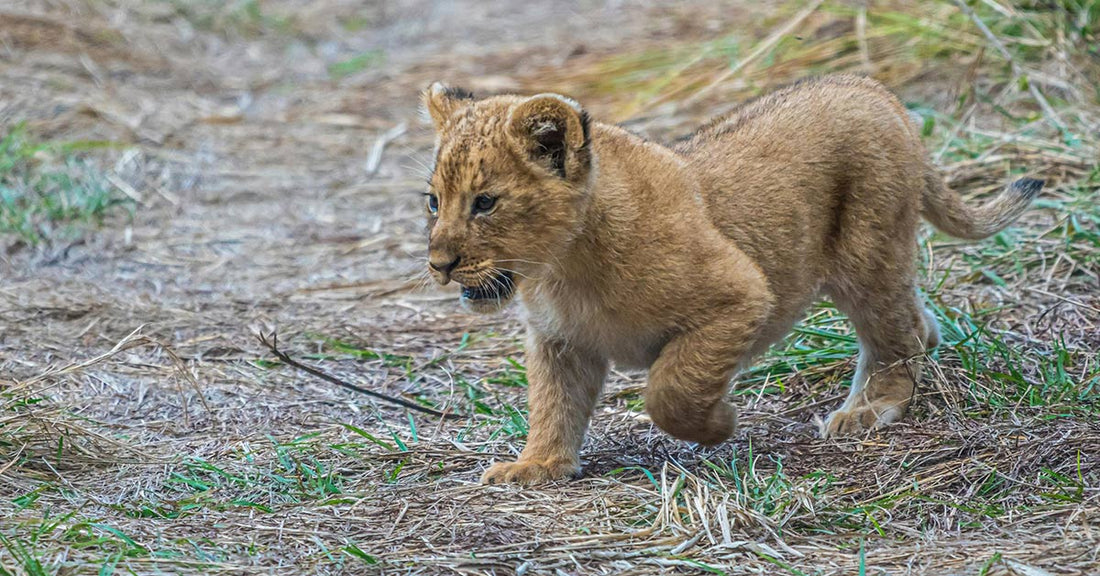
A young African lion named Kiros has finally found his way back to family, and his story shines a hopeful light on what compassionate care can look like after a traumatic beginning. Rescued from the illegal pet trade and reunited with his parents at The Wildcat Sanctuary in Minnesota, his journey draws attention to both the cruelty of roadside zoos and the life-changing work of ethical sanctuaries. For anyone who cares about wildlife rescue or the welfare of big cats in captivity, this story of a lion cub reunited with parents is deeply moving.
Kiros’s story began at a roadside zoo in Quebec, where multiple lions, including his parents Kim and Carl, were reportedly kept in terrible conditions. According to the sanctuary, the rescue team managed to remove nine lions from that facility, giving them a chance at a safe, more natural life. Yet there was a shadow over the operation. Staff learned that Kim and Carl’s first cub had already been sold into the illegal pet trade, disappearing into a network where animals are treated like commodities rather than living beings.

That missing cub weighed heavily on the minds of those involved. Even after the rescue, the sanctuary continued its work without knowing what had become of him. The illegal pet trade is notoriously chaotic, with animals moved frequently and often without proper records. In that environment, the odds of locating a single lion cub can seem impossibly slim. Still, the hope of finding him lingered in the background.
Then, much later, an unexpected phone call changed everything. Authorities reached out to The Wildcat Sanctuary to share that they had previously seized a lion cub from the illegal pet trade and temporarily placed him at an accredited zoo. This cub had been cared for there while legal proceedings related to the same Quebec roadside zoo moved forward. During his time in that temporary home, he had been given the name Kiros, meaning “lord.” The timing and circumstances raised a remarkable question. Could this lion be the very cub sanctuary staff had been searching for in their hearts since the original rescue?
To find out, The Wildcat Sanctuary carefully reviewed available records and compared photos. The evidence lined up. The team confirms that Kiros was indeed the long-lost cub, the first offspring of Kim and Carl. I found this detail particularly striking because it transforms what might have been just another rescue into a story about lost family members finding their way back to one another after years apart.
Once they knew who Kiros was, the sanctuary moved quickly and responsibly to bring him to his permanent home. Staff secured the required international permits, coordinated logistics and undertook a journey of more than 2,000 miles. Transporting a large predator like an African lion is never simple, and doing so with an emphasis on safety, legality and animal welfare takes significant planning. Yet for Kiros, the result was a chance to live in the same protected sanctuary as his parents, rather than remain a nameless victim of the illegal pet trade.
Upon arrival in Minnesota, Kiros began settling into a spacious, natural habitat designed to honor the instincts and needs of big cats. The sanctuary reports that from his new enclosure he can see, hear and smell other lions, including Kim and Carl. Instead of small cages or concrete floors, he now has room to move, explore and rest in an environment that better reflects what lions are built for, even though he will live in human care.
Any direct introductions between adult lions require careful planning and patience, and sanctuary staff are approaching that process with safety and respect at the forefront. They are hopeful that over time Kiros may form positive bonds with other rescued lions. For the moment, his human caregivers are watching his behavior closely and allowing him to adjust at his own pace. Early observations indicate that he has a strong appetite, navigates his new surroundings with confidence and shows a calm, curious demeanor. These are promising signs for a young lion who has been through so much instability.
Kiros also has a half-sister, Mango, who lives at the sanctuary. Even before sharing space, the two lions have started to notice one another from across their habitats. Staff describe those first encounters as positive interactions from a distance, with both cats showing interest in the other’s presence without visible signs of stress. In a sanctuary context, such early engagement can be a hopeful indication that social relationships might be possible later, under careful supervision and when it is considered safe.
For now, the central priority is allowing Kiros to decompress from his long journey, acclimate to his new surroundings and build trust in the consistency of his daily life. Animals coming out of the illegal pet trade often endure frequent moves, rough handling and unpredictable conditions. Providing a stable routine and quiet time to adjust can be just as important as medical care and proper nutrition. Everything about his current situation points toward a strong, healthy start to this new chapter.
Beneath the uplifting outcome, Kiros’s journey underscores a sobering reality about roadside zoos and the underground market for exotic pets. As Tammy Thies, founder and executive director of The Wildcat Sanctuary, states, his story highlights the cruelty of both roadside zoos and the illegal pet trade. Facilities that prioritize profit or entertainment over welfare can subject animals to inappropriate housing, inadequate veterinary care and stressful public interaction. When young animals are sold into private hands, their prospects often become even more uncertain, and in many cases, bleak.
At the same time, Kiros serves as a powerful example of what is possible when animal welfare organizations, accredited sanctuaries, government authorities and dedicated supporters cooperate. From the initial lion rescue in Quebec to the seizure of the cub from the illegal trade, then his temporary stay at an accredited zoo and finally his relocation to Minnesota, each step reflects coordinated effort and a shared recognition that big cats deserve far better than exploitation.
Stories like this carry a wider message for anyone considering interactions with wild animals in captivity. Choosing to support reputable sanctuaries and accredited institutions instead of unregulated roadside zoos or private ownership helps shift demand away from industries that treat lions and other wild species as novelties or status symbols. In Kiros’s case, that broader network of ethical care ultimately gave him what he lacked at the start of life: safety, stability and proximity to family.
After all he and the other rescued lions have endured, their new home at The Wildcat Sanctuary represents a second chance. Kiros is no longer an anonymous cub in the illegal pet trade. He is a young lion with a name, a story and a protected habitat where he can grow into adulthood near his parents and half-sister. His journey is a reminder that while the challenges of wildlife trafficking and substandard captivity are serious, compassionate intervention can still write a different ending.