
No One Should Have to Choose Safety or Their Pet Help Build a Safe Place !
An Antarctic Job Pays Up to €2,400 a Month to Count Penguins, but Daily Life Comes With Serious Challenges
Guest Contributor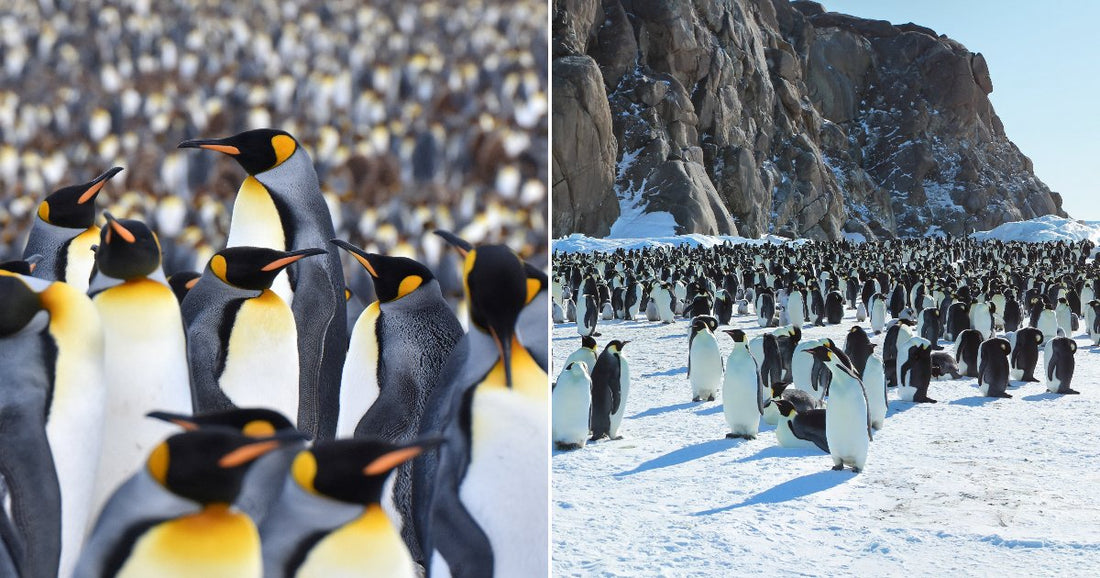
Seasonal jobs rarely sound as adventurous as this. A British charity, the UK Antarctic Heritage Trust, is recruiting people to live and work at Port Lockroy, a former research station in Antarctica, where part of the job is to count penguins. The role combines elements of wildlife monitoring, heritage tourism, and extreme remote living, and it offers salaries of up to about 2,400 euros per month. For anyone who has ever dreamed of working among ice, ocean, and a thriving penguin colony, this opportunity reads like a very specific, very cold dream come true.
At its core, the job is about maintaining a unique outpost of human presence in one of the most remote corners of the planet. Port Lockroy functions as a small, historic site that welcomes tourists, operates a museum and gift shop, and even runs a post office. Staff working there are responsible for greeting visitors who arrive by ship, guiding them through the station’s story, and handling transactions and mail in a setting that feels closer to a polar documentary than to any conventional workplace.

Alongside this heritage and tourism work sits the more scientific and environmental side of the job. Employees help care for the local penguin colony and carry out bird counts, contributing to long-term monitoring of these iconic Antarctic residents. The chance to count penguins in person is one of the most striking aspects of the position. It blends methodical data collection with unforgettable wildlife encounters, all within a fragile ecosystem where careful observation matters.
Financially, the roles are modest but practical, especially considering the isolated location. Depending on the specific position, salaries can reach around 2,400 euros per month, with contracts lasting roughly five months. The employer covers housing, meals, and specialized equipment. That combination reduces day-to-day expenses and turns the compensation into a focused stipend for a distinct life chapter rather than a traditional long-term wage. It is less a step on a corporate ladder and more an immersion into a particular way of living for one season.

Life at Port Lockroy, however, is far from luxurious. The job description makes clear that successful applicants must be ready for harsh conditions that test both physical and mental resilience. There is no running water or cell service at the station, which significantly reshapes ordinary routines. Staff carry water canisters instead of turning on taps, and any sense of constant digital connection gives way to a slower, more deliberate communication rhythm. The indoor temperature reportedly hovers around 14 to 15 degrees Celsius, a reminder that even “indoors” at the edge of the world feels a few notches closer to the elements.
The physical demands of the work do not end with cold rooms and manual water hauling. Team members are expected to unload boats, move supplies, and shovel snow regularly. These tasks are essential for keeping the station functional and accessible, especially when weather and sea conditions change quickly. Housing is communal, which can foster close bonds but also requires a cooperative spirit, clear communication, and an ability to live closely with a small group of people for months at a time.

In a way, Port Lockroy represents a microcosm of human presence in Antarctica: a blend of research support, tourism, and environmental observation set against an unforgiving backdrop. Recruitment for the 2026 to 2027 season has already closed, a reminder that interest in such roles is strong and timelines are long. Applications for the following season are expected to open in the spring of 2027. For those seriously considering it, that lead time offers space to reflect on whether the romance of Antarctic ice balances the realities of isolation, physical labor, and limited comforts.
The work carried out at Port Lockroy also connects to wider stories about penguin colonies across the Southern Hemisphere. On the remote volcanic island of Zavodovsky in the South Atlantic, for example, the total number of breeding penguins has reportedly fallen by more than 40 percent over the past 15 years. A colony once thought to be the largest in the world is now estimated at about 838,000 birds. Even though that figure still sounds immense, the decline highlights how sensitive these populations can be to changing environmental conditions and other pressures over relatively short periods.
Elsewhere, creative conservation approaches are being tested and refined. In the Australian city of Warrnambool, a project that used Maremma sheepdogs to protect a little penguin colony on Middle Island gained attention as an innovative way to guard the birds from predators. According to the report, that program has now been scaled back due to erosion and the dangers posed by deep waters around the island. The shift illustrates how even promising protection strategies must adapt to the realities of changing coastlines and evolving risks.
There are also more hopeful signals. Ukrainian polar researchers at the “Academician Vernadsky” station recorded a record-early return of thousands of sub-Antarctic penguins to Galindez Island. Early arrivals like this can be significant biological markers, hinting at shifts in seasonal patterns, food availability, or sea conditions. For scientists and conservationists, such observations add pieces to a complex puzzle that spans continents and oceans.
Viewed together, these threads tell a nuanced story about penguins and the people who work alongside them. Jobs like those at Port Lockroy are not simply adventurous postings for travel enthusiasts. They sit at the intersection of cultural heritage, tourism, and environmental science. Staff serve visitors, recount history, manage a shop, and handle mail, yet they also take part in the careful counting and monitoring that reveal how penguin colonies are doing over time. In an era when some populations are shrinking and others are shifting their behavior, those counts matter.
For anyone drawn to the idea of living and working in Antarctica, it is worth weighing the powerful appeal of daily encounters with sea ice and penguins against the practical challenges described in the job listing. No running water, communal sleeping spaces, labor-intensive chores, and limited connectivity are fundamental parts of the experience, not footnotes. At the same time, the opportunity to contribute directly to the work of a station that welcomes visitors and observes wildlife in one of Earth’s most remote places is difficult to match in any other setting. The story of Port Lockroy, along with the broader trends in penguin colonies from Zavodovsky to Warrnambool and Galindez Island, underscores how interconnected these distant landscapes are. Human choices, scientific observations, and careful stewardship all shape the future of these birds that have come to symbolize the polar world itself.