
🚨Urgent: Missile Strikes Shelter in Ukraine! Rush Emergency Aid!
“Ozempic Mouth” Is the Latest Cosmetic Concern Emerging After Rapid Weight Loss
Guest Contributor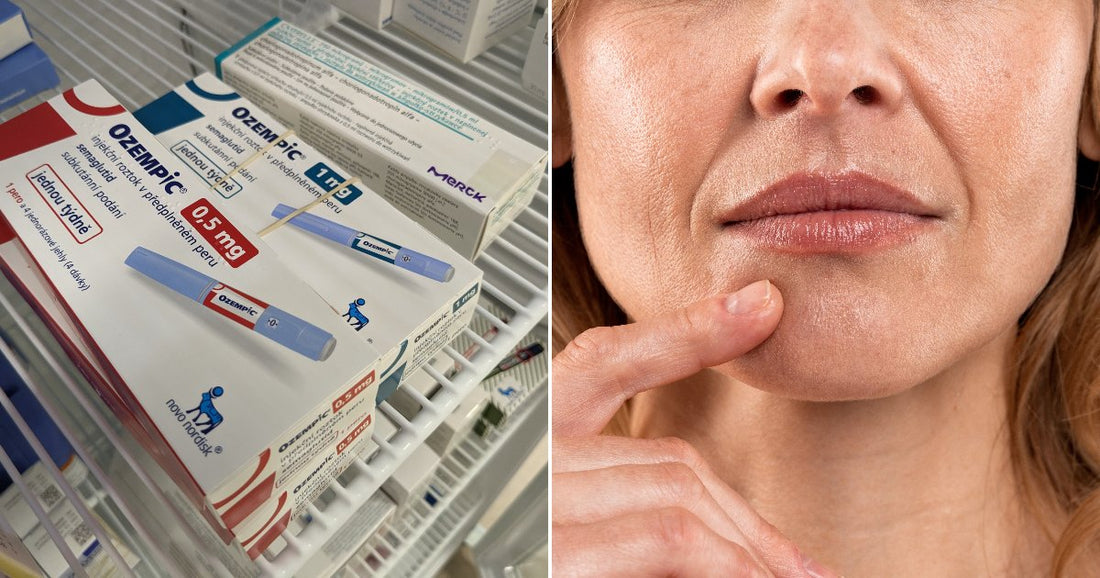
In recent years, injectable weight loss medications such as Ozempic (semaglutide) have exploded in popularity, with social media filled with dramatic before and after photos. The focus usually lands on shrinking waistlines and rapid results, but a quieter conversation is starting to unfold about “Ozempic mouth” and the broader phenomenon of “Ozempic face.” As more people turn to these treatments, doctors warn that fast changes on the scale can come with equally fast changes to the face, mouth, and other parts of the body.
Dermatologists and plastic surgeons are reporting a growing number of patients arriving with a very specific concern. According to Dr. Michele Green, a New York dermatologist cited in the original report, facial changes linked to rapid weight loss have become a daily occurrence in her practice. She describes patients who have lost volume in their faces and developed wrinkles, sagging skin, and droopy areas around the mouth. What were once bright, youthful smiles can suddenly look drawn or aged, with deep lines at the corners of the mouth, crinkling around the lips, and loose skin around the chin that was not noticeable before.

These changes are being informally labeled “Ozempic mouth,” a term that captures how concentrated the effects can be around the lower face and smile. The article explains that as people lose weight quickly, especially with medications like semaglutide, the fat that once supported facial skin disappears. Without that underlying cushion, skin loses structure and begins to collapse inward. Plastic surgeon Dr. Barry Weintraub, also based in New York, notes that the loss of facial fat can make the skin appear thinner and more fragile, revealing lines and creases that were previously hidden.
For many users, the most distressing changes are the so called “lipstick lines” that form vertically around the mouth. These lines can make lip makeup bleed and are commonly associated with aging. In the context of rapid weight loss, though, the article suggests they may appear more suddenly. The face can seem to deflate, leaving hollows where there used to be fullness, with wrinkles and loose skin taking their place. This effect often pairs with sagging around the jawline and chin, contributing to an overall older appearance even when the rest of the body looks leaner and fitter.

The piece also highlights examples of public figures who have spoken openly about using medications like Ozempic or similar drugs and who now appear to show some of these hallmarks. Celebrities such as Sharon Osbourne, Rebel Wilson, and Whoopi Goldberg are mentioned as having discussed their use of weight loss injections, with observers noting changes in their faces over time. The article points out that men are not exempt from these issues. Actor Harvey Fierstein, who has credited the medication Zepbound with helping him lose 120 pounds, is reported to have experienced notable facial changes as well, including loose skin and droopy areas after such a significant weight reduction.
“Ozempic mouth” is portrayed as one part of a larger pattern sometimes referred to as “Ozempic face.” Beyond the mouth, users have reported sunken cheeks, hollowed eyes, and an overall gaunt look. The article also describes changes in other parts of the body, including feet that appear more wrinkled or aged and a noticeably flatter buttocks. Some people say they can feel their bones more when they sit because cushioning fat in that area has diminished. Together, these changes suggest that the medication influences body shape in a comprehensive way, not just in the stomach or on the scale.

The scale of potential impact is significant. The article notes that roughly one in eight Americans has tried these types of injections, although the real figure could be higher due to unreported or compounded use. Originally developed as treatments for diabetes, these medications are now widely prescribed for weight loss, particularly among public figures and influencers. With millions of people using them, cosmetic side effects such as Ozempic face and Ozempic mouth are surfacing more frequently, both in clinics and on social platforms.
For those already experiencing unwanted facial changes, cosmetic medicine offers possible solutions, though they are rarely cheap. Dr. Green reports a sharp increase in patients seeking dermal fillers to rebuild lost volume around the mouth and in other parts of the face. Fillers are gel like substances injected beneath the skin to plump up deflated areas, smooth wrinkles, and soften deep lines. In many cases, they can restore a more youthful contour and reduce signs of rapid fat loss. However, each syringe of filler can range from about $700 to $2,000, depending on the location and provider, and most people require multiple syringes per session to see visible improvement.
Another high tech approach described in the article is Thermage, a noninvasive procedure that uses radiofrequency energy to heat the deeper layers of the skin. This controlled heating is designed to stimulate collagen production, which in turn can help tighten and firm sagging areas. Thermage does not deliver instant results. People often need to wait four to six months to see full effects, and those improvements usually last around eighteen months. A single 30 minute session can cost between $1,500 and $3,500, which places it out of reach for many budgets.
Given the costs and commitments involved in corrective procedures, the doctors quoted in the piece emphasize prevention when possible. Dr. Green recommends that patients speak with their prescribing clinicians about lowering doses or aiming for slower, more gradual weight loss. The reasoning is that when weight is lost more slowly, the skin has more time to adapt and tighten, which may reduce the risk of pronounced sagging and facial deflation. Dr. Ramer Bass of Mount Sinai adds that eating small, balanced meals with plenty of fiber and protein can support skin health by helping maintain hydration and elasticity. She also suggests consulting a dermatologist early, ideally before any noticeable damage develops, to plan strategies that support the skin throughout the weight loss journey.
The article places these medical concerns within a broader cultural and economic context. Use of dermal fillers in the United States has almost tripled over the past decade, increasing from 1.8 million treatments in 2010 to 5.3 million in 2023. This sharp rise closely tracks the growing popularity of weight loss injections, suggesting that cosmetic clinics are increasingly intersecting with pharmaceutical weight management. Many aesthetic practices are expanding their services to accommodate clients seeking help with facial changes they associate with these medications.
What many users do not anticipate, the article argues, is the long term financial impact. The cost of the injections themselves is only part of the picture. To address changes like Ozempic mouth and Ozempic face, people may find themselves committing to fillers, energy based treatments, or a combination of procedures year after year. These interventions often require repeated sessions and ongoing maintenance to preserve results. I found this detail striking because it reframes weight loss prescriptions not only as medical decisions but also as potential long term financial commitments that extend far beyond the initial prescription.
For anyone considering weight loss injections, the article suggests factoring in more than the number on the scale. It encourages a fuller calculation that includes skin health, facial structure, self image, and the possible need for future cosmetic care. While many individuals report transformative benefits from these medications, awareness of side effects like Ozempic mouth may help people make more informed choices, seek early guidance from dermatologists, and have realistic expectations about both the physical and financial aspects of rapid weight loss.
Read more at https://theheartysoul.com/new-ozempic-side-effect-ozempic-mouth/