
Rescued Sun Bear Has to Learn What His Mother Never Got to Teach Him
Guest Contributor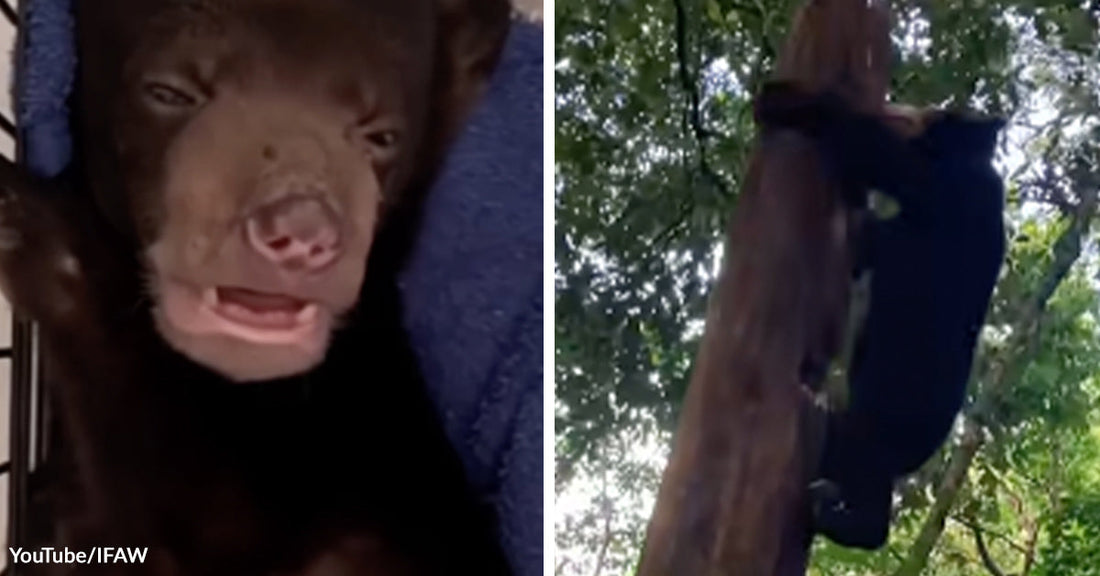
In the dense forests of Indonesia, a young sun bear named Mano is taking her first real steps toward the life she was always meant to live. Her story, rooted in an attempted wildlife trafficking operation and transformed into a journey of recovery, highlights both the vulnerability of wild animals and the power of sustained, compassionate rehabilitation. As conservation groups work to give Mano a second chance in the wild, her progress offers a vivid look at what ethical wildlife rescue and reintroduction really require.
Mano’s path to the forest began in a car in Jakarta, where she was found at only three months old during an illegal trade interception. Acting on a tip, the Jakarta Animal Aid Network, known as JAAN, joined Indonesian police to stop a deal that would have sent this fragile cub from Indonesia to Dubai. At that point, she was scared, alone, and uprooted from everything familiar. The intervention prevented another illegal wildlife trafficking success and shifted the trajectory of her life toward care instead of exploitation.

From the moment she arrived at JAAN, Mano needed intensive round-the-clock support. Caregivers provided milk every two hours, closely monitoring her health and behavior. These early days were not just about nutrition. They were about rebuilding trust and stability for a cub who had already experienced trauma. I found this detail striking because it underlines how much work is required before an animal can even begin to relearn basic wild behaviors after being torn from its natural environment.
As Mano grew, the team at JAAN created a special enclosure designed specifically for her development. Instead of a bare holding pen, this space introduced her to key elements of her natural habitat. She learned to climb, stretch her limbs upward, and get accustomed to height. She also began to search for food such as berries, nuts, and termites. These are essential skills for any sun bear and form the foundation of survival once an animal is reintroduced into the wild.
Eventually, Mano graduated into what JAAN calls its Forest School, the first program of its kind in Sumatra focused on sun bear rehabilitation. There, the goal is to mimic wild conditions as closely as possible while still maintaining oversight for safety. Mano now spends her days roaming the forest, exploring the treetops, and experiencing a real forest environment for hours at a time. She is fitted with a GPS tracker so caregivers can follow her movements as she walks up to six kilometers a day.

YouTube/IFAW
In Forest School, Mano has taken on the daily routine of a wild sun bear in training. She forages for insects, forest fruits, and natural water sources rather than depending on human feeding. Some of her favorite foods include beetles, termites, ants, ficus fruits, and centipedes, all of which are typical components of a sun bear’s diet in the wild. This type of guided independence helps prepare her for the eventual goal of full release, where there will be no backup food bowl and no caretaker just a few steps away.
One particularly important behavior she has learned is how to fold leaves and branches into nests in the trees. Sun bears use these nests for resting and sleeping, and Mano is now creating them herself and napping in them during the day. Since sun bears can sleep in both daylight and darkness depending on when they feel safe, nesting is not a minor detail. It is a critical survival skill. For now, Mano still returns to camp at night to sleep in her enclosure beside her carers, which offers security as she continues to grow more confident.
Throughout this process, Mano’s caregivers have kept a careful balance between support and distance. At first she was never alone and needed constant reassurance. As her skills develop and her confidence returns, the team has begun to gradually reduce the amount of direct interaction she has with humans. This steady decrease is a key aspect of responsible wildlife rehabilitation. Animals that are too comfortable around people can face serious challenges or dangers when released, especially when living near human communities that may not be safe or welcoming.
Femke den Haas, co-founder of JAAN, describes Mano’s transformation as a powerful experience. In her words, Mano arrived as a fragile, scared, and traumatized bear cub. Over time, she has become a confident young sun bear finding her own food, climbing high into the trees, and building nests in the forest. Den Haas credits the collaboration with the International Fund for Animal Welfare, or IFAW, as vital to giving Mano and other rescued animals the chance to return to the wild instead of spending their lives in captivity.
IFAW’s Wildlife Rescue Program Director Neil Greenwood emphasizes how persistent wildlife crime is across regions and species. According to his perspective, disruption of trafficking networks must go hand in hand with investment in care for the animals affected. IFAW’s long-standing partnership with JAAN, which has lasted for more than a decade, supports not only direct rescue work but also training for law enforcement teams, including the use of tracking dogs to help detect and intercept illegal wildlife trade.
For young animals taken from the wild, such as sun bear cubs, immediate rehabilitation is often essential. In natural conditions, a cub would learn how to find food, avoid predators, and navigate territory from its mother and other bears. Once those family bonds are broken by poaching or trafficking, organizations like JAAN and IFAW must provide a substitute learning environment. Forest School, careful monitoring, and gradual release planning effectively stand in for maternal guidance.
Mano’s story is also part of a larger pattern. Many rescued animals including sun bears, primates, and other trafficked species face similar journeys from seizure to rehabilitation and, ideally, reintroduction. Their individual successes add up to something bigger. When a rehabilitated animal like Mano eventually joins a wild population, it helps maintain the genetic and social vitality of the species. This is especially important for species impacted by habitat loss and illegal trade, where every successfully released individual can contribute to long term survival in the wild.
For those following Mano’s progress, her growing independence signals that a full release is becoming more realistic. It is not a guarantee, since each animal’s health, behavior, and environment must align for a safe reintroduction. Yet the direction is clear. Every hour she spends navigating real forest terrain, every insect she finds on her own, and every nest she builds high in the canopy moves her closer to living as a truly wild sun bear.
Stories like Mano’s also underscore how solutions to wildlife trafficking require both enforcement and empathy. Intercepting illegal deals and dismantling trafficking routes protects animals before they vanish across borders. Investing in specialized care, such as JAAN’s Forest School for sun bears, ensures that confiscated animals are not simply removed from traffickers then left without a future. The work is complex, long term, and resource intensive, yet Mano’s transformation from a terrified cub in a car to a confident climber in the forest makes a compelling case for why such efforts matter.
In the end, Mano’s future will not only be measured by her own survival, but by what her journey represents. She stands as one example of how determined collaboration between local rescue organizations, international partners, and law enforcement can give wildlife a genuine second chance. If these efforts continue, more rescued sun bears and other trafficked animals may follow her path from captivity back into the forests where they belong. Read more at https://www.ifaw.org/journal/rescued-sun-bear-one-step-closer-to-life-back-in-the-wild?utm_source=chatgpt.com