
🚨Urgent: Missile Strikes Shelter in Ukraine! Rush Emergency Aid!
Marine Veteran’s Journey Shows Power of VA Health Care and Art
Guest Contributor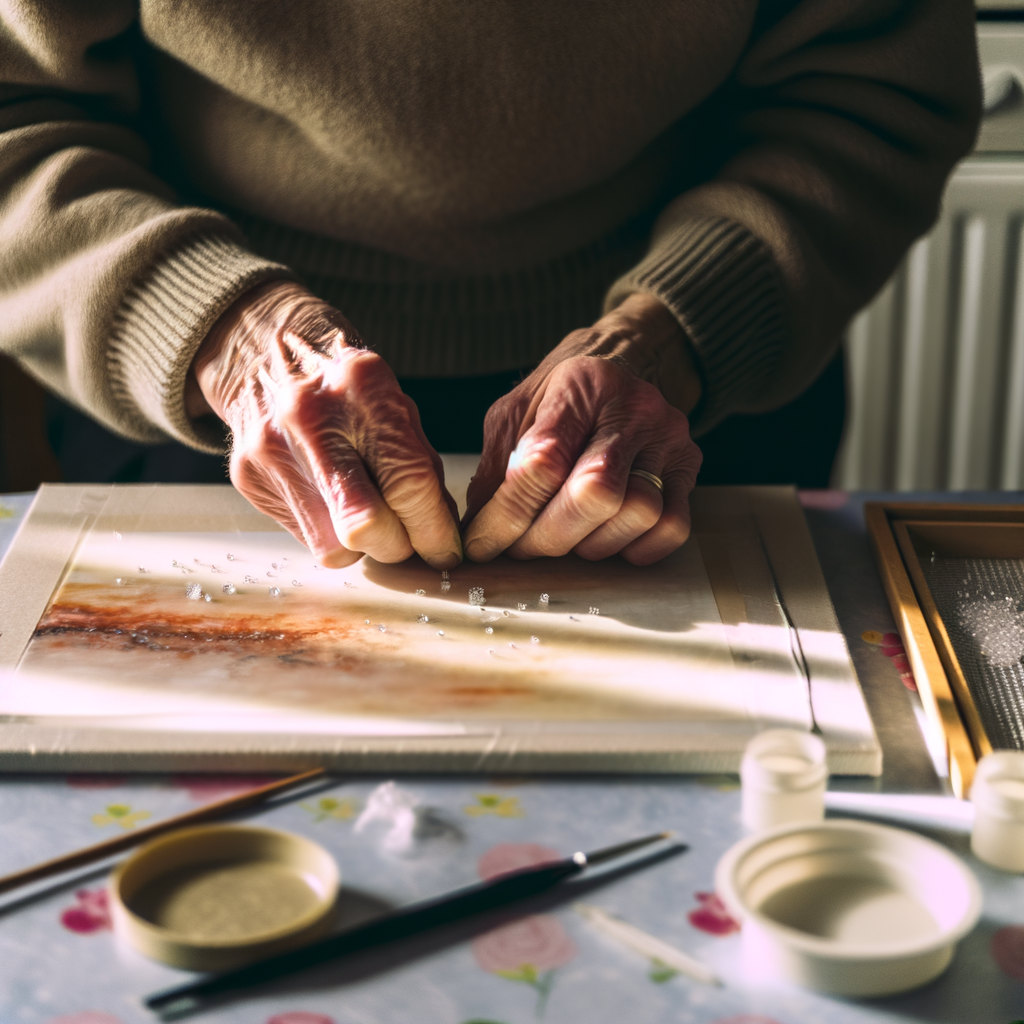
When Marine Veteran Chester “Chet” Zaremba walked into his local VA clinic with a persistent cough, he didn’t expect the visit to change his life. But what began as a concern about mold exposure at work quickly turned into a life-saving discovery. This story, shared by the Department of Veterans Affairs, highlights not only the critical role of VA health care but also the heartfelt gratitude of a Veteran who found a unique way to say thank you—with art.

For those familiar with the resilience and camaraderie of the military community, Zaremba’s journey will resonate deeply. His experience underscores the importance of accessible and responsive Veteran health services, a theme that continues to shape conversations around VA care. The story also offers a personal lens into how Veterans give back, not only through service but through creativity and advocacy.
Zaremba, now 80, recalls his early days with the United States Marine Corps vividly. Alongside four high school friends, he enlisted and began his military career with the Marine Attack Squadron 231 before transferring to the infantry at Camp Lejeune. The transformation he underwent during boot camp was profound. “It made me a man,” he said. “I was a boy when I walked in.” He credits the Marines with instilling discipline and strength that stayed with him throughout his life.
Years after his service, Zaremba found himself struggling with breathing difficulties and a relentless cough. His concerns were initially dismissed by a family doctor and workman’s compensation representatives. Feeling overlooked, he remembered the promises made during his enlistment—that the VA would be there when he needed it. That memory led him to seek care at the Miami VA Medical Center, a decision he now believes saved his life.
At the VA clinic, a thorough evaluation led to a colonoscopy and CT scans. Doctors discovered a tumor that required immediate surgery. “They discovered something that can actually kill you,” Zaremba said. “So I was very grateful.” The procedure, performed with advanced robotic technology, was a success. Zaremba made a full recovery, and his care team, including surgeon Dr. Spector, celebrated the outcome.
Moved by the compassion and professionalism he received, Zaremba wanted to express his appreciation. Unsure of how to give back, he found inspiration through his daughter Michele, who had introduced him to Diamond Art during a family reunion. This form of art, which involves placing tiny resin “diamonds” onto a canvas to form intricate designs, resonated with Zaremba’s lifelong love for straight-line drawing. “It’s just buildings and things like that,” he explained. “Say the person isn’t a great artist and he just likes to dabble but he’s not really good. Start small and make it look right.”
Creating a Diamond Art piece for the VA team became his way of saying thank you. It was a deeply personal gesture, one that combined his artistic interests with heartfelt gratitude. The finished artwork is more than a gift—it’s a testament to how Veterans can use their talents to honor those who care for them.
Zaremba’s story also speaks to the broader community of Veterans who may be unaware of the support available to them. Having experienced firsthand the difference VA care made in his life, he now actively encourages others to seek help. “If I meet someone on the street and they have some kind of problem, I would tell them that the reason I went is because I wasn’t feeling well,” he said. “But they (VA) took care of me. That could happen to you.”
His observations about Veterans in need, including those facing homelessness, add another layer to his narrative. Zaremba’s advocacy is rooted in experience and empathy, offering a powerful reminder that the VA’s mission extends far beyond medical treatment. It’s about keeping promises, restoring dignity, and building trust—one Veteran at a time.
Stories like Zaremba’s highlight the value of VA health care, Veteran support services, and creative expression as a form of healing and gratitude. His journey from illness to recovery, and from patient to artist, is a compelling example of resilience and community. I found this detail striking: that even after facing a life-threatening diagnosis, Zaremba chose to give back through something as thoughtful and personal as art. It’s a reminder that appreciation often finds its voice in unexpected ways.
For Veterans who may feel hesitant about reaching out for help, Zaremba’s experience offers a clear message—support is available, and it can make all the difference. His Diamond Art now hangs as a symbol of that message, a quiet but powerful thank you to those who stood by him when he needed it most.