
Missing Dog Comes Home After Three Years When a Microchip Finally Leads Him Back to His Family
Guest Contributor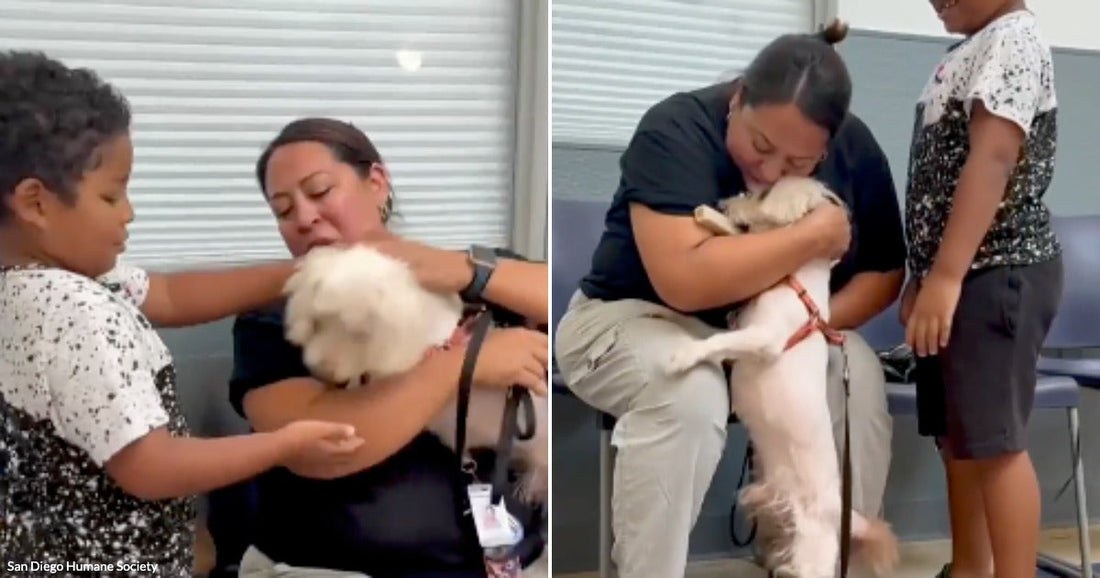
A dog missing for almost three years reunited with his family this week after a simple microchip scan turned an ordinary welfare call into an extraordinary homecoming. The story of Colby, a once-lost pet found abandoned at a San Diego safe sleeping site, offers a powerful reminder that microchips work and that up-to-date information can make all the difference when it comes to bringing missing pets home.
According to information shared by the San Diego Humane Society, Humane Law Enforcement officers responded Tuesday evening to a report of an abandoned dog at the Jewish Family Service Safe Sleeping site on Kincaid Road. What began as a routine response to help an animal in need quickly evolved into something much more meaningful. After securing the dog, officers performed the standard next step for any found animal in their care. They scanned him for a microchip.

The handheld scanner passed over the dog’s neck and shoulder area and came back with exactly what every hopeful pet owner dreams of when an animal goes missing. The microchip registered successfully, revealing an identification number connected to a family who had reported their dog missing on September 27, 2023. That dog was Colby.
For nearly three years, Colby had been away from the people who loved him. The details of where he had been during that long stretch remain unknown, but his family had done at least two vital things: they had microchipped him, and they had filed a missing pet report when he disappeared. Those choices set the stage for this reunion to be possible long after many might have assumed hope was gone.

Once the microchip data appeared, officers from the San Diego Humane Society began the process of confirming contact information. This step often involves making sure phone numbers, addresses, or other details in the microchip registry are accurate. The officers were able to reach Colby’s family around 9:30 p.m. and share the unexpected news that their missing dog had been found and was safe.
On the other end of that late evening call was Colby’s owner, Cindy. The report explains that she immediately woke her children to tell them the news that Colby was coming home. For a family that had not owned a dog for nearly three years, the message meant more than just the return of a pet. It meant restoring a piece of their daily life that had quietly been missing.
With the emotional shock of the phone call still fresh, practical realities quickly followed. The family had long since moved out of the mindset of active dog ownership, which meant they needed time to prepare. Overnight and into the next morning, Cindy gathered supplies to get ready for Colby’s return. Everything from food and bowls to bedding and grooming tools had to be reconsidered and purchased again.
While the family prepared, the San Diego Humane Society’s veterinary and animal care team focused on Colby’s immediate health and comfort. When he arrived, he was flea infested and showed signs of a possible skin infection beneath matted fur. These are conditions that are unfortunately common among animals that have been living without consistent care. Colby received a grooming session to remove mats and tangles, a thorough bath to address fleas and skin irritation, vaccines to protect his health, and a full wellness check to make sure he was ready for his new chapter back at home.
The humane society’s staff made Colby’s comfort a priority, but they also used the opportunity to highlight a core animal welfare message. They shared with the family that they encourage spaying and neutering as a standard part of responsible pet care. After learning this, the family chose to have Colby neutered before bringing him home. That decision added a short delay to the reunion, but it also aligned with the organization’s focus on preventing unwanted litters and supporting long-term health for pets.
By Wednesday afternoon, the moment everyone had been anticipating finally arrived. Colby was reunited with his owner, Cindy, and a young family member named Gregory. The report describes their time together as a heartfelt reunion, with Colby now looking noticeably cleaner, healthier, and more comfortable than when he had first been found. For a dog who had spent nearly three years away, stepping back into the presence of familiar voices and gentle hands likely brought some sense of recognition and relief.
The following day, after Colby’s neuter procedure and final preparations, the family brought him home. The return of a once-lost dog to a house that had gone so long without a pet can reset routines and reawaken old habits. Walks, feeding times, grooming schedules, and shared quiet moments all return as part of everyday life. Stories like Colby’s often inspire others to check their own pet care practices, and this case is no exception.
Animal welfare officials involved in this case emphasized several key lessons. First, microchipping pets is not just a recommendation, it is a proven tool that dramatically increases the chances of a reunion when animals get lost. Colby’s story as a dog missing for nearly three years reunited with his family shows that microchips remain effective long after a pet first goes missing. Second, a microchip only works if the contact details attached to it are kept current. If an owner moves, changes phone numbers, or updates email addresses, those changes should be reflected in the microchip registry.
Officials also highlighted the importance of filing missing pet reports as soon as a dog or cat disappears. These reports help local shelters, humane organizations, and animal control agencies know what animals to look for and how to match found pets with the families searching for them. In Colby’s case, that record of a missing dog from September 2023 became a vital part of confirming his identity when the microchip was scanned.
I found it striking how an ordinary procedure at a humane society, a simple microchip scan, bridged the long gap between loss and reunion. The officers who responded to the initial call followed a standard protocol that many people might take for granted, yet this routine step was the key that unlocked a life-changing outcome for both the dog and his family. It is a reminder that small, consistent practices in animal welfare carry profound potential.
For anyone with a pet at home, Colby’s journey offers clear takeaways. Microchip your pets, keep your contact information updated with the microchip company, and file a missing pet report if your animal ever disappears. Regular veterinary care, including vaccines and preventive treatments for fleas and other parasites, can help protect pets if they ever become lost. Spaying and neutering support community-wide health and help reduce the number of animals who end up in shelters without families to claim them.
The San Diego Humane Society directs people who want to learn more about microchipping pets to their resources at sdhumane.org/microchip. For Colby and his family, a small chip implanted years earlier and a record kept on file meant that a late-night phone call could change everything. After nearly three years apart, one abandoned dog and one hopeful family found their way back to each other, all because a tiny piece of technology did exactly what it was designed to do.