
🚨Urgent: Missile Strikes Shelter in Ukraine! Rush Emergency Aid!
Microdosing Ozempic Is Going Viral as Users Chase Weight Loss With Smaller Doses and Fewer Side Effects
Guest Contributor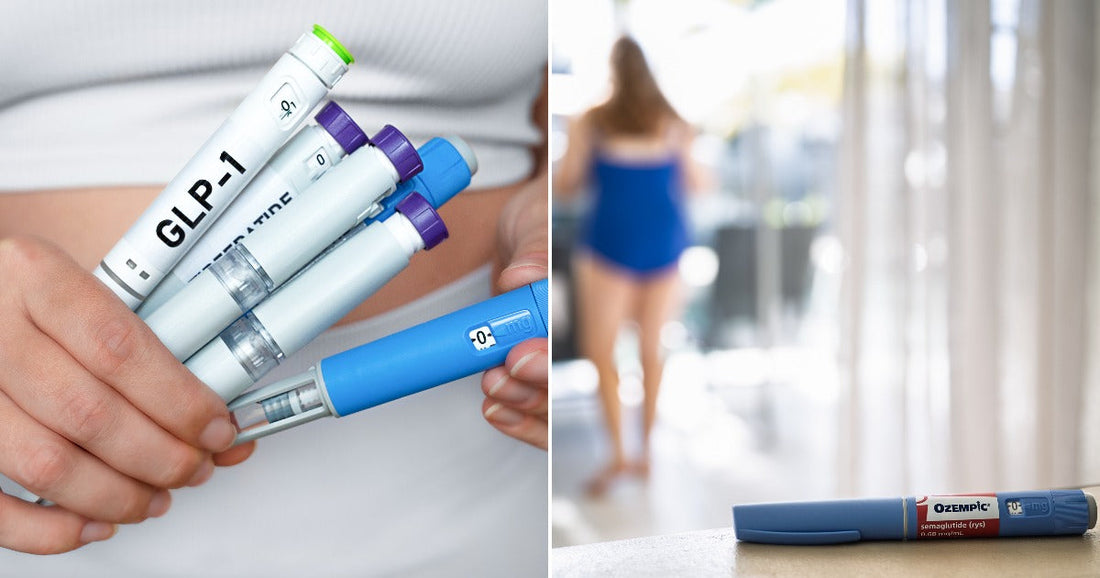
Microdosing Ozempic has become the latest twist in the GLP-1 weight loss conversation, and it is easy to see why so many people are curious. As stories about Ozempic and Wegovy flood social feeds, a growing group is asking whether smaller, “micro” doses of semaglutide can deliver appetite control with fewer side effects, lower cost, and a gentler pace of weight loss. This new microdosing Ozempic trend is often described as smarter, cheaper, and easier to live with, yet the evidence tells a more complicated story.
At the center of the debate is how semaglutide actually works. It is a GLP-1 drug that acts on areas of the brain involved in appetite and food intake. It also influences blood sugar regulation. Because it is not a stimulant or crash diet pill, many people assume that a little might go a long way. They hear that semaglutide can help people feel full sooner, curb cravings, or cut snacking, and it sounds reasonable that a smaller dose could produce lighter, more manageable effects compared to standard regimens.

Major medical organizations help explain why microdosing sounds so sensible. The Cleveland Clinic reports that cost, side effects, and availability are the main reasons people consider using Ozempic at very low doses. That mix speaks directly to real-world barriers, not just ideal treatment plans. On top of that, official labels for drugs like Wegovy already begin with low starter doses, such as 0.25 mg once weekly, then slowly escalate over time. The goal of that schedule is to help patients tolerate gastrointestinal side effects. If someone does not handle higher doses well, the label allows for delays in escalation or the use of a slightly lower maintenance dose. To a casual observer, this framework makes lower-dose use look less like experimentation and more like a built-in feature.
Social media often takes that medical flexibility and stretches it further. People share that a small amount of Ozempic was enough to dull their appetite, help them eat less at dinner, or finally stop late-night snacking. They frame microdosing Ozempic as a calmer, more measured alternative to full-intensity treatment. In a culture wary of extremes, a “microdose” sounds precise, disciplined, and sophisticated. It suggests control and restraint at a time when many are tired of dramatic transformations or the gaunt appearance sometimes associated with rapid weight loss. This atmosphere makes microdosing feel attractive, particularly to those who only want to lose enough weight to move more easily, sleep better, or stop gradual weight gain.

Yet semaglutide’s biology does not change because a trend sounds appealing. The drug can exert noticeable effects even at lower doses, but that does not guarantee full therapeutic benefit. Cleveland Clinic notes that the initial starter dose may not have any significant effect at all and is often given mainly to test tolerability ahead of planned escalation. At the same time, some individuals do feel subtle appetite shifts at low levels and conclude that the medication is already doing enough. This is one reason the microdosing Ozempic approach feels convincing from the inside. People sense a change in their eating patterns and interpret it as proof that a minimal amount is sufficient long term.
Clinical data show that lower doses can lead to real, although more modest, weight loss. In an Ozempic monotherapy trial in adults with type 2 diabetes, average weight change after 30 weeks was around minus 1.2 kg with placebo, minus 3.8 kg with a 0.5 mg Ozempic dose, and minus 4.7 kg with a 1 mg dose. Those differences are measurable and meaningful for many individuals. However, they are significantly smaller than the reductions seen in obesity trials that used 2.4 mg weekly semaglutide. The landmark STEP 1 study, published in The New England Journal of Medicine, reported an average 14.9 percent weight reduction at 68 weeks with 2.4 mg semaglutide plus lifestyle measures, compared with 2.4 percent for placebo.

That kind of structured semaglutide treatment represents the benchmark for obesity and chronic weight management. Major guidelines, such as those from the American Gastroenterological Association, suggest semaglutide 2.4 mg alongside lifestyle modification for adults with obesity or overweight and weight-related complications. These recommendations support gradual titration to manage side effects, but they do not endorse informal microdosing as an equivalent alternative. The strongest evidence sits with clearly defined dosing schedules, careful follow-up, and integrated support, not individualized low-dose routines shared in online threads.
When people ask whether microdosing Ozempic is “effective,” it helps to clarify what effective means. If effective simply means that some individuals feel less hungry, lose a few kilograms, or tolerate daily life better, then yes, smaller doses can be effective in that limited sense for some. The trouble begins when these modest, often short-term improvements are treated as proof that low-dose strategies can match standard regimens for weight loss, blood sugar control, or cardiovascular risk reduction. Cleveland Clinic notes that there is a lack of research on the safety and benefit of microdosing and that no official guidelines exist for doing it. In other words, the trend has moved ahead of the evidence.
Another important point is that semaglutide’s clinical impact is not limited to appetite suppression. Ozempic is approved to improve blood sugar control in adults with type 2 diabetes and to reduce major adverse cardiovascular events in certain patients. Wegovy has its own indications and dosing for chronic weight management. When these broader goals are considered, dose selection goes beyond comfort or cosmetic preference. A tiny dose that blunts snacking might still fall short of what is needed for diabetes management, obesity treatment, or long-term risk reduction. That is why careful clinicians focus on defined targets and outcomes rather than the appeal of a trend.
Safety concerns add another layer. Some people assume that a smaller dose equals less risk, yet medicine rarely follows such a simple pattern. Even low amounts of semaglutide can cause nausea, vomiting, constipation, or dehydration. The Ozempic prescribing information reports that gastrointestinal side effects are more common with active treatment than with placebo and that they occur most often during periods of dose escalation. Because many people adjusting their own doses make frequent changes, they may encounter side effects in confusing ways and have difficulty identifying which level truly works for them.
Risks increase further when people pursue microdosing Ozempic through compounded semaglutide and improvised measuring tools. The U.S. Food and Drug Administration has received reports, including some requiring hospitalization, linked to dosing errors with compounded injectable products. According to the agency, both patients and clinicians have miscalculated doses. Measuring very small amounts can actually increase the chance of error, especially outside standardized devices. Branded prefilled pens are designed to deliver specific doses that lower this risk, while vial-based routines often depend on individual technique and homemade methods that vary widely in precision.
Long-term planning may be the most overlooked piece of the puzzle. The STEP 1 extension study found that participants regained about two-thirds of the weight they had lost after stopping semaglutide. This does not mean every person’s experience will be identical, but it underscores how much weight loss with GLP-1 medicines depends on continued, structured use along with ongoing lifestyle changes. When people improvise microdosing without a clear medical strategy, they are more likely to experience early progress followed by plateaus, regain, or frustration with treatment. The body responds to overall exposure, nutrition, activity, and consistency, not to whether a dosing plan sounds balanced or trendy.
For these reasons, the safest version of microdosing Ozempic is physician-guided and grounded in defined goals. Clinicians may decide that a lower or slower schedule makes sense for side effect management, cost concerns, or adherence. What they cannot do is treat social media anecdotes as proof that loosely defined microdosing can replace structured, evidence-based therapy. Lower-dose success can be genuine and even helpful as a starting point. Yet without medical supervision and clear targets, that success can be incomplete and fragile, while the risks of under-treatment, dosing errors, and unrealistic expectations remain.
The bottom line is that semaglutide is a powerful medication with real benefits and real tradeoffs. Microdosing Ozempic taps into a desire for moderation, personalization, and control, which is understandable. At the same time, biology still sets the rules. Anyone considering changes to their regimen should work closely with a qualified healthcare professional who can align dose, diagnosis, and long-term goals in a way that does more than follow the latest online trend. This information is not intended to be a substitute for professional medical advice, diagnosis or treatment and is for information only. Always seek the advice of your physician or another qualified health provider with any questions about your medical condition and current medication. Do not disregard professional medical advice or delay seeking advice or treatment because of something you have read here. This article was created with AI assistance and edited by a human for accuracy and clarity. Read more at https://theheartysoul.com/microdosing-ozempic-trend/