
🚨Urgent: Missile Strikes Shelter in Ukraine! Rush Emergency Aid!
Woman Faces Cruelty Charges After Investigators Find Dozens of Animals, Many Dead
Guest Contributor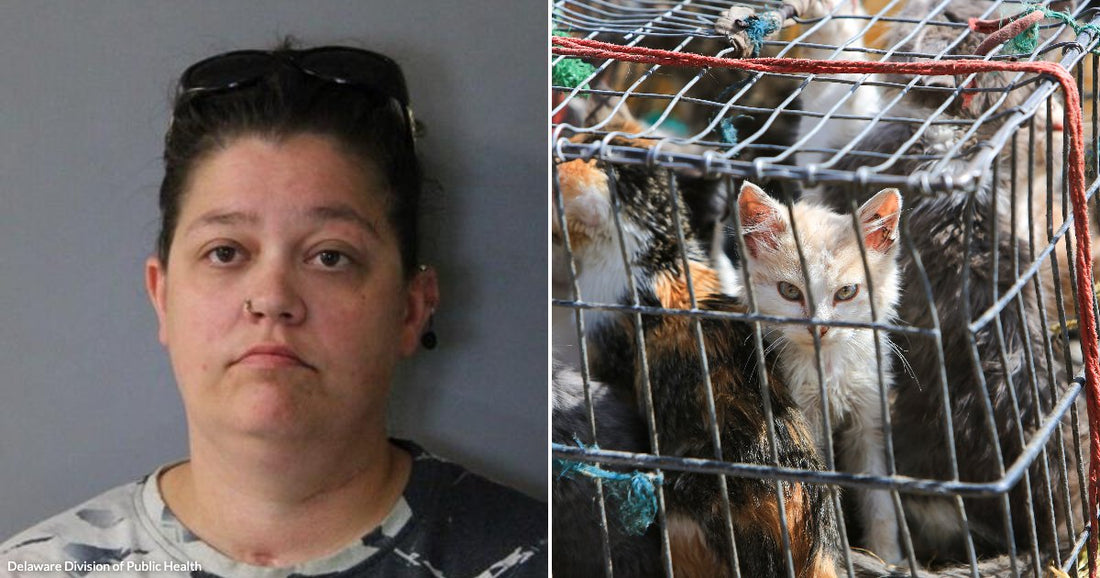
The recent case of a Millsboro woman facing animal cruelty charges in Delaware has cast a harsh light on the vulnerabilities that companion animals can face even in the hands of someone who claims to be rescuing them. According to authorities, a welfare check at a home on Gravel Hill Road led to the discovery of dozens of animals living in dangerous conditions, with several deceased cats found inside the residence. For anyone who cares about animal welfare or supports local shelters and rescue groups, this animal cruelty case in Millsboro raises sobering questions about oversight, accountability, and how communities can better protect animals in need.
Delaware Animal Services reports that officers first arrived at the property on July 15 to conduct a welfare check. What began as a routine visit quickly became a serious investigation. Officers observed conditions that immediately raised concerns about the health and safety of the animals on site, prompting them to obtain a search warrant. Once they were able to thoroughly inspect the property, they uncovered what officials describe as “horrendous conditions” for the animals living there.

Inside the home, officers allegedly found 26 live animals. Nineteen cats and seven dogs were removed from the property and transported to the Brandywine Valley SPCA so they could receive evaluation and care. The presence of multiple species adds another layer of concern, since caring for that many animals requires resources, time, and knowledge that often exceed what one person can safely provide without strong support and proper systems in place. Even in the best circumstances, managing that number of animals is challenging. In an environment described as unsanitary and cluttered, it becomes a serious welfare issue.
The distressing discoveries did not end with the live animals. Authorities say officers also found seven deceased cats inside cages and traps. Based on their state of decomposition, the cats appeared to have been dead for an extended period. That detail alone suggests prolonged suffering or neglect, especially when viewed against the backdrop of a home filled with animal feces, trash, and general disarray. It is one of the most wrenching aspects of this situation, because it highlights how easily animals can suffer unnoticed when regular oversight and community connection are missing.

Delaware Division of Public Health
Authorities describe the interior of the home as cluttered and unsanitary. Accumulated animal feces, trash, and other items painted a troubling picture of day to day living conditions for both the animals and anyone residing there. Environments like this often contribute to health problems, including respiratory issues, infections, and severe stress. In rescue and shelter work, cleanliness and safe housing are foundational, not optional. When those basic standards are not met, animals that may already be fragile or traumatized can quickly face life threatening conditions.
Officials identified the resident as 36 year old Jessica Donovan. According to authorities, Donovan operates an animal rescue called Paws and Whiskers Rescue, which is believed to be the source of some of the animals found at the property. Others may have come through her involvement in trap neuter return programs, which are typically designed to humanely manage community cat populations by trapping, sterilizing, and returning the cats to their outdoor homes. Programs like these rely on trust, organization, and a strong ethic of care. When allegations like these arise involving someone associated with rescue and trap neuter return work, that trust can feel seriously shaken.

The charges in this case are extensive. Donovan has been charged with seven felony counts and 26 misdemeanor counts of animal cruelty, along with two violations related to dog housing. Felony cruelty charges often reflect allegations of more serious or prolonged suffering, while misdemeanor counts can encompass a range of failures to provide adequate care. Taken together, more than 30 counts underscore how far authorities believe conditions at the property strayed from minimum standards for humane treatment.
Delaware Animal Services Chief Mark Tobin addressed the situation publicly, calling it a “deeply concerning case involving an individual entrusted with the care of animals.” Tobin added that “numerous animals died or experienced significant suffering under her care.” That statement captures the emotional core of the case. When someone presents themselves as a rescuer, the expectation is that animals will be safer and healthier because of that person’s efforts. Allegations that the opposite occurred can be particularly disturbing, both for the public and for those working in legitimate rescue organizations.
After her arrest, Donovan was arraigned on July 21 at Delaware State Police Troop 4 in Georgetown and released on her own recognizance. While the case is pending, she is prohibited from owning or possessing animals. She is also barred from participating in trap neuter return and similar programs. These restrictions are intended to prevent further potential harm to animals while the legal process unfolds. It is a reminder that animal cruelty laws are not just about punishment. They also function as tools for immediate protection.
This Millsboro animal cruelty case also highlights the importance of welfare checks and community reporting. Authorities were first called out for a welfare check, which suggests that someone noticed something concerning and chose to act. That decision likely changed the course of events for the 26 animals who were removed and taken to the Brandywine Valley SPCA. Without that initial report, those animals might still be living in dangerous conditions. Welfare checks can be one of the most effective ways to intervene early when animals are at risk.
It is also worth recognizing that many small rescues and volunteers in the animal welfare world work tirelessly, often with limited resources, to provide safe havens and lifesaving care. Cases like this one do not represent all rescuers, yet they do remind communities and supporters to remain attentive and informed. Transparent partnerships with established shelters, routine veterinary care, and clear adoption or placement processes are some of the markers people can look for when choosing where to direct their support.
For the animals removed from the Millsboro home, the immediate focus now shifts to recovery and assessment at the Brandywine Valley SPCA. Their outcomes will depend on their physical and behavioral health, the resources available, and ultimately the possibility of placement into stable, caring homes. Behind each number in the case report is an individual animal that experienced confusion, fear, or hardship. Recognizing that reality can inspire ongoing support for shelters and animal welfare agencies that step in during crises like this one.
As the legal proceedings continue, the case will likely remain a point of attention for residents in Delaware and for those who follow animal welfare issues more broadly. It underscores how important it is for communities to support responsible rescue efforts, to remain alert to signs of neglect, and to trust the systems in place for reporting concerns. While the details emerging from the Gravel Hill Road property are deeply troubling, they also show that intervention is possible and that there are mechanisms designed to protect animals when their wellbeing is in jeopardy.