
Tiny Dog Disappears Into Wilderness for More Than 500 Days and Somehow Survives
Guest Contributor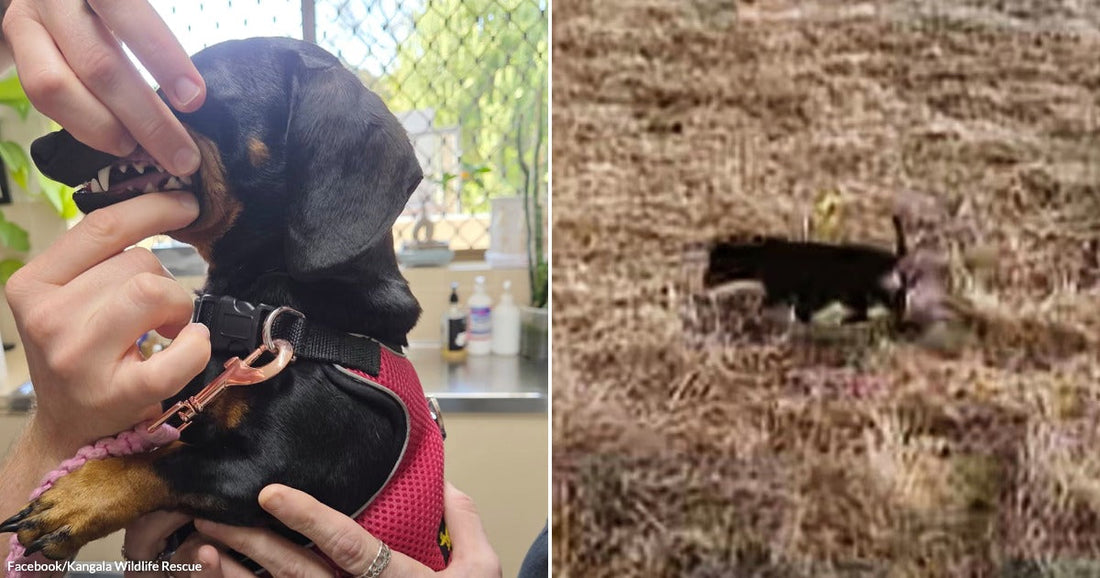
For more than 500 days, a tiny miniature dachshund named Valerie was at the center of a mystery on South Australia’s Kangaroo Island. She vanished during a family holiday, survived in rugged bushland crowded with predators, then reappeared not only alive and well but significantly heavier. In a story that blends heartwarming reunion with genuine puzzlement, Valerie’s condition has locals and observers wondering: how did this little dog return from the wilderness healthier than when she left?
Valerie’s story began in November 2023, when her owners, Georgia Gardner and Josh Fishlock from Albury in New South Wales, took her to Kangaroo Island for a break. During their stay at Stokes Bay, the small dog escaped from her pen and disappeared. At the time, Valerie weighed about 4 kilograms. The terrain she vanished into is known for its feral cats, snakes and other threats to native wildlife, not exactly a forgiving place for a miniature dachshund on her own.

For more than a year, there was no fairytale ending in sight. Then people started catching glimpses of what looked very much like a sausage dog on wildlife cameras set up by Kangala Wildlife Rescue. Kangala, a small local charity staffed by volunteers, became central to the search. The organization monitored footage, placed traps and patiently tracked Valerie’s movements across the landscape. She captured global attention when she was finally spotted 529 days after going missing, with the saga turning into an international feel-good story.
Using a specially set trap with a remote trigger, Kangala managed to capture Valerie on 25 April. Video posted afterward showed a cheerful, affectionate dog racing around with toys and cuddling up to staff, which stood in sharp contrast to fears that she might have turned feral. Perhaps even more surprising than her friendly behavior was her condition. A vet declared Valerie to be in “perfect health,” and the numbers told their own story. The former 4 kilogram dog had gained 1.8 kilograms during her time away, returning as a noticeably stockier and stronger version of herself.

Facebook/Kangala Wildlife Rescue
When Gardner and Fishlock finally reunited with their “princess,” they described Valerie as making her “little happy sounds” and wiggling with joy. Gardner said her coat looked glossy, and that Valerie could hardly fit into her old harness. The owners felt that she seemed more open to people, offering them kisses and cuddles after an absence that many had assumed would end tragically. Valerie now faces a calmer chapter of life, returning home to Albury to live with Lucy the rescue cat, the family’s red heeler Mason and a newer dachshund, Dorothy.
Despite the happy ending, the story has stirred debate on Kangaroo Island. Locals and social media users alike have questioned how such a small dog could not only survive but thrive in the wild for so long. Kangaroo Island has waged an ongoing war on feral cats that threaten native animals including endangered species. The environment is harsh. From that perspective, Valerie’s weight gain and glossy coat raised eyebrows. Some island residents believe the only reasonable explanation is that a person or household was helping her.

Facebook/Kangala Wildlife Rescue
Kangaroo Island’s mayor, Michael Pengilly, has been vocal about these doubts. He said most of the people who spoke to him believed “someone must have been feeding and watering her for her to survive.” He pointed to the rich color and shine of her coat and the overall condition of the dog as evidence that did not quite match the idea of a long-term stray living off the land. Pengilly also highlighted Valerie’s behavior around the traps that Kangala set. According to him, she would return to the area every four to six days. To some, that pattern suggested she was possibly being looked after somewhere nearby, then drawn back by the smell of food around the trap.
Others have suggested less dramatic explanations, arguing that a resourceful dog might survive by scavenging. They point to the possibility of Valerie eating roadkill, drinking from dams and even consuming other animals’ faeces to supplement her diet. While this idea fits better with the image of a self-sufficient stray, it does not fully quiet the questions raised by her weight gain and shine. I found this detail striking because it shows how even a hopeful story of a missing dog’s safe return can quickly evolve into a broader conversation about animal welfare and human involvement.
Kangala Wildlife Rescue has chosen not to deeply engage in speculation. Co-director Jared Karran called Valerie’s survival “unbelievable” given her small stature and the island’s conditions. Fellow director Lisa Karran even suggested that possums or cats on the island might have groomed her coat. While that particular idea has sparked some bemusement online, it illustrates the sense of wonder around the unusual details of Valerie’s time in the bush. The organization has emphasized the countless hours their volunteers spent watching cameras, setting traps and giving up sleep to bring Valerie to safety.
As Valerie’s story spread globally, attention also turned to Kangala’s fundraising and media interactions. Some online commenters suggested that the saga was becoming a “money-making exercise,” pointing to the charity’s ongoing donations drive and high profile. In response, Kangala stated that when “the dust settles and the truth comes out,” people might be pleasantly surprised, and they stressed that most people still aim to do the right thing. They also expressed frustration with certain broadcast outlets, who they said violated their privacy by filming Valerie without permission. Gardner later publicly thanked Kangala for their dedication, saying the volunteers had sacrificed time, work and privacy out of genuine care for Valerie and her family.
The timeline of Valerie’s reunion with her owners created another ripple of public curiosity. Some wondered why it took time for Gardner and Fishlock to collect her once she was trapped. Kangala explained that the owners had to arrange time off and travel, and that Valerie herself needed to “decompress” after such a long time in a high-stress environment. The group argued that immediately putting her in a car for a long journey might not have been in her best interests. They therefore waited until she had adjusted in their care before arranging the emotional reunion.
For now, Valerie’s future looks far simpler than her past 500 days. Gardner has said she plans to crate train Valerie and move her to a raw food diet, partly inspired by the dog’s impressive condition after her wilderness adventure. Whether Valerie was secretly supported by a kind stranger or simply proved to be a remarkably tough scavenger may never be fully known. What is clear is that this miniature dachshund’s story has resonated far beyond Kangaroo Island, combining the universal appeal of a lost pet coming home with the intrigue of an unresolved mystery in the Australian bush.