
Humane Society Fights to Save Starving Dogs as Woman Faces 14 First-Degree Cruelty Charges For Their Suffering
Guest Contributor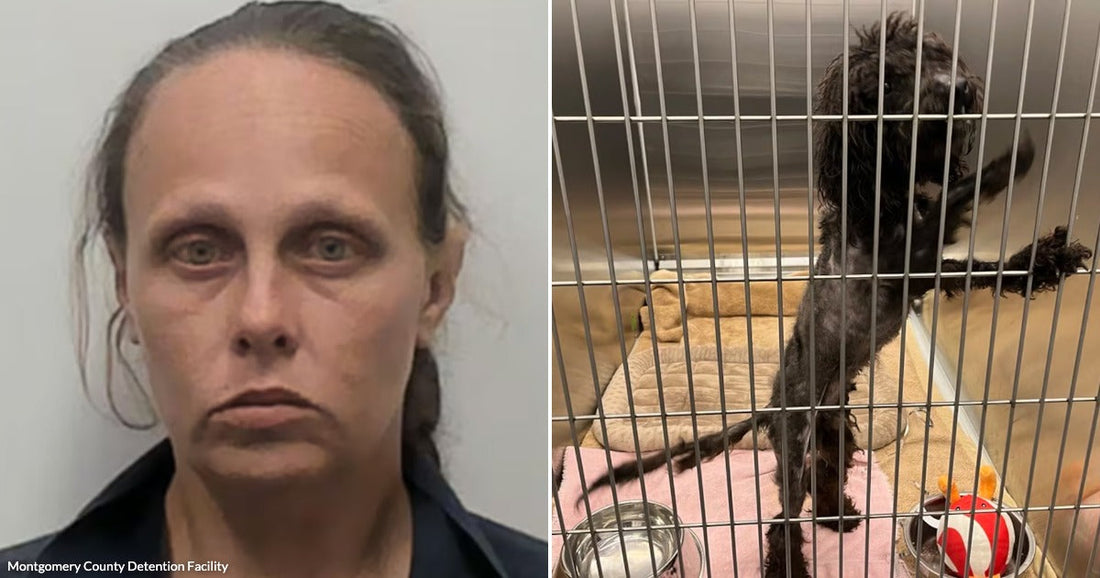
The recent arrest of a Montgomery, Alabama woman on multiple first-degree animal cruelty charges has cast a stark light on the growing crisis of emaciated dogs entering local shelters. This case, involving several severely malnourished animals brought to the Montgomery Humane Society, underscores the urgent realities of animal neglect and the pressure it places on already stretched rescue organizations. For anyone who cares about animal welfare, the details are difficult to hear, but they are essential to understanding the seriousness of first-degree animal cruelty and why community support for shelters is so critical.
According to information confirmed by the Montgomery Humane Society, 38-year-old Paula Ann Schamacher was arrested on 14 counts of first-degree animal cruelty. She is being held in the Montgomery County Detention Facility with a total bond set at $35,000. While specific details of how the dogs came into the shelter’s care are not spelled out in the report, video captured by WSFA shows a room filled with emaciated dogs at the humane society, their physical condition a stark reminder of how devastating prolonged neglect can be.

Staff at the Montgomery Humane Society describe a situation that has not only been heartbreaking but also overwhelming. Kimberly Crumpler, the Animal Operations Manager, explained that at one point there were two rooms full of emaciated dogs. Some of these animals, despite receiving care, were simply too far gone. Crumpler shared that several dogs had “gone that long without nourishment” that they were “unable to sustain life” once they arrived. I found this detail striking because it speaks to how cruelty does not always appear sudden or dramatic; it can take the form of slow, ongoing deprivation that animals cannot escape.
The humane society has seen what it calls an uptick in malnourished and emaciated dogs coming through its doors at the start of the new year. Images and footage from the shelter show thin, frail dogs whose ribs and hip bones are evident, animals who should have been enjoying secure homes but instead arrived in crisis. Shelters deal with challenging situations every day, yet the organization is describing this particular rise in starvation cases as a significant strain on its operations. This pattern suggests that the Montgomery Humane Society is not just handling an isolated incident but is facing a broader wave of neglect cases.

Montgomery County Detention Facility
The strain is not only emotional and physical but also logistical. Crumpler points out that responding to suspected animal cruelty requires extensive investigative work. Humane officers must examine the animals, document their condition, gather evidence, complete detailed reports, and then coordinate with authorities so that charges like first-degree animal cruelty can be filed when warranted. As she explains, “It’s a lot of work for our humane officers to get the paperwork done and to get everything filed, and while they’re doing this paperwork it takes them off of the streets.” That means that every complex case consumes time and resources that could otherwise go toward proactive work, welfare checks, and community outreach.
This balance between direct animal care and accountability highlights an often overlooked part of animal welfare. Shelters are not only rescuing and rehabilitating animals; they are also a key part of the pipeline that ensures people suspected of cruelty face legal scrutiny. In cases that may eventually move through the court system, the documentation that begins at the shelter level is often crucial. But that documentation requires hours that staff could otherwise devote to feeding, cleaning, enrichment, and medical attention for the many other animals in their care.
At the same time, the Montgomery Humane Society is attempting to focus on prevention. The organization emphasizes that if someone is struggling to feed their animals or provide basic care, there is help available. Instead of allowing a pet to fall into neglect and malnourishment, the humane society urges people to contact them for assistance. This call for early intervention reflects a compassionate approach that recognizes how factors like financial hardship can affect pet owners while still making clear that animals must not be left to suffer.
Support from the community is another recurring theme. The humane society notes that it is in active need of pet food to meet the growing demand created by this surge in emaciated dogs. Donations of food directly support both incoming cruelty cases and animals surrendered by owners who may no longer be able to care for them. For readers who live in or near Montgomery and have the means, contributing dog food or other supplies is one concrete way to respond to this troubling trend. Even for those outside the region, this story is a reminder that local shelters almost everywhere can benefit from food donations, sponsorships, and volunteer efforts.
Crumpler also stresses that one of the most powerful forms of support is vigilance. She encourages people to report signs of animal neglect or abuse if they see them. Emaciated animals, dogs without adequate shelter, or pets that appear consistently frightened, injured, or left without water may all indicate that something is wrong. Reporting does not require certainty of abuse, only concern. When reports are made in good faith, humane officers and investigators can step in, assess the situation, and intervene when necessary. Without those early calls, many animals may deteriorate for far too long before help arrives.
Stories like this one, where some animals did not survive even after being rescued, show how critical timing is. Once a dog or other companion animal has been deprived of food and care to a severe degree, it can be difficult or impossible to reverse the damage. While shelters can offer medical treatment, special diets, and round-the-clock care, they cannot always overcome the consequences of prolonged starvation. This reality makes community awareness and early action a moral responsibility for anyone who notices a potential problem in their neighborhood.
The situation in Montgomery is still unfolding, and authorities describe it as a developing case. As more details emerge, the focus will likely remain not just on the legal proceedings but also on the continuing needs of the animals who survived. For the Montgomery Humane Society, the coming weeks and months will involve ongoing veterinary care, rehabilitation, and, hopefully, eventual placement of these dogs in safe and loving homes. For the broader community, both locally and beyond, this case serves as a sobering reminder of the importance of reporting concerns, supporting local shelters, and never ignoring the signs of animal neglect. Read more at https://www.wbrc.com