
A Weekend Pet Sitting Request Exposed An Alleged Cruelty Case
Guest Contributor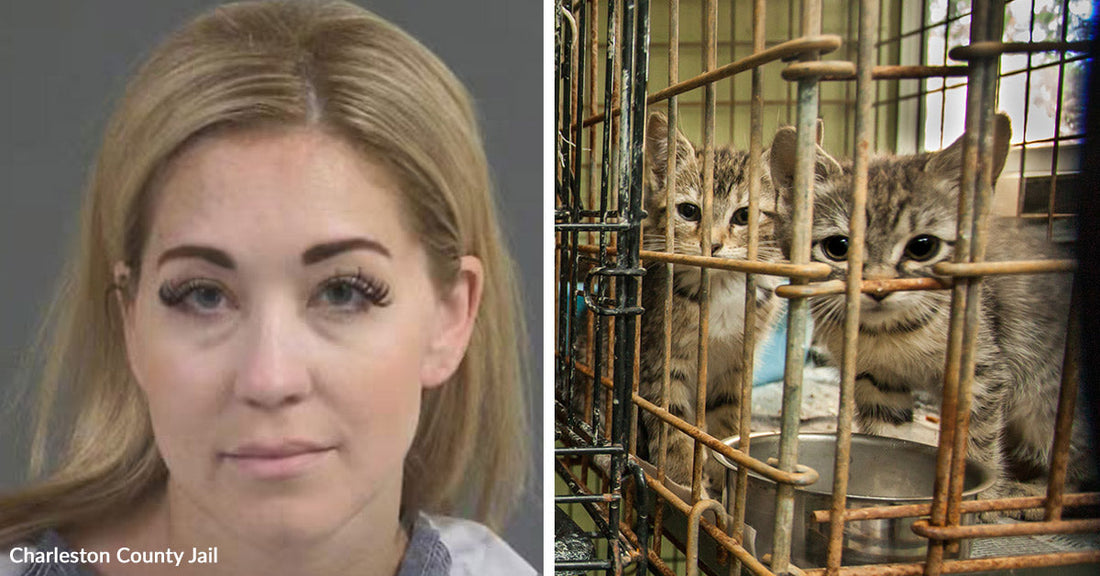
Animal cruelty cases are always difficult to read about, and this situation out of Mount Pleasant, South Carolina is no exception. Authorities say a local woman is now facing 12 counts of ill treatment of animals after several pets were seized from her home. The details, as described in reports and court statements, paint a troubling picture of animals living in what officials called “abysmal conditions.” Stories like this highlight why animal welfare laws and community vigilance remain so important.
According to Mount Pleasant Police, officers arrested 36-year-old Audra McCall after animal control determined that multiple animals on her property needed to be removed. The case began when a pet sitter contacted authorities, reporting concerns about the conditions inside the home. That initial concern ultimately led to law enforcement intervention, a search warrant, and the seizure of several animals.

The incident report states that two dogs, six cats, two bunnies, and two guinea pigs were all found living in conditions that the pet sitter described as abysmal. The sitter had reportedly been asked to care for the animals between July 3 and July 5, and what they saw prompted them to reach out for help. Pet sitters and neighbors often become critical observers in animal neglect cases, since they may be the first to recognize that something is seriously wrong behind closed doors.
When officers entered McCall’s home on Julep Drive, they documented a scene that one might more closely associate with a neglected barn than a residence. The home was described as having feces and urine throughout, with residue on surfaces. Police reported a strong odor of urine and pet dander as soon as they went inside. They also noted hay and animal droppings across the home, including on furniture and even the dining room table. One detail that stands out from the report is a half dried pool of urine under that same table, suggesting that these conditions were not fleeting or isolated.
In the garage, officers found two huskies in crates. According to the report, one crate had feces in the bottom pan, while the other had a partially pulled out pan that also contained feces. The environment in the garage raised additional concerns. Officers noted that temperatures outside were about 90 degrees, and they described the garage as extremely hot. A portable cooler was present and blowing air, but that air was warm rather than cooling. The dogs reportedly did not appear emaciated, which suggests they had access to food, yet the living environment as a whole was still considered deeply inadequate.

During a bond hearing, a judge elaborated on what the photographs from the scene depicted. The judge said the images showed two dogs confined in cages that were coated in feces. According to the judge, the animals themselves were likewise coated with excrement and urine. The judge also stated that animal excrement appeared to cover just about every surface of the home. The way those conditions were described underscores why officials felt compelled to intervene and remove the animals from the property.
Another noteworthy detail revealed during the hearing was that this was not the first time authorities had addressed concerns at this address. The judge said Mount Pleasant Police had previously worked with McCall for months in an effort to improve the animals’ living conditions after earlier complaints from neighbors. This indicates a pattern of concern and suggests that law enforcement and animal control had attempted to resolve the situation through guidance and cooperation before resorting to criminal charges. When conditions allegedly failed to improve sufficiently, the response shifted toward stronger legal action.
McCall’s attorney presented a different perspective to the court. The defense said McCall had been out of town for work at the time and argued that the conditions were the fault of the pet sitter. This introduces a dispute about responsibility. While the report attributes the description of “abysmal conditions” to the pet sitter and the follow up investigation to officers and the judge, the defense position seeks to redirect blame away from the homeowner. That conflict is likely to be explored further as the case proceeds, and it underscores why the legal process exists to examine evidence from multiple sides.
The judge ultimately granted McCall a $60,000 surety bond. As part of the bond conditions, McCall is prohibited from owning or possessing animals while the case is pending. This type of restriction is relatively common in serious animal cruelty cases. It is designed to protect animals from potential further harm while allegations are being resolved. McCall has a scheduled court date on August 28, when more facts may come to light and the court will continue to assess the evidence.
I found it striking that the case developed from a pet sitter’s report, then moved to a police search warrant and a series of detailed observations about the environment. It illustrates how animal neglect and cruelty cases are often built not only on visible harm to an animal’s body but also on the state of the living space. Feces on surfaces, strong odors, and extreme heat are all red flags that animal control officers and veterinarians look for when evaluating welfare. Even if an animal is not visibly thin, an unclean, unsafe, or sweltering environment can still be seriously harmful.
From a community standpoint, this Mount Pleasant animal cruelty case underscores the role that neighbors, pet sitters, and other bystanders can play in safeguarding animal welfare. Reporting concerns is not always comfortable, especially if it involves someone in the local community, but such reports can lead to crucial interventions. At the same time, the legal process ensures that those accused have an opportunity to present their version of events, as McCall’s attorney has done by pointing to the pet sitter as the source of blame.
Animal cruelty laws exist because society increasingly recognizes that animals rely entirely on humans for safe shelter, nourishment, and humane treatment. When the conditions described in this case appear, they challenge that responsibility. Whether through neglect, poor judgment, or intentional mistreatment, the end result for the animals can be the same: suffering in silence unless someone speaks up. While the court will ultimately determine what happened and who is legally responsible, the removal of the animals from the reported conditions was a decisive step focused on their immediate wellbeing.
As the August 28 court date approaches, many people in Mount Pleasant and beyond will likely be watching for updates. The outcome may influence not only the future of the animals involved but also local understanding of how seriously such allegations are treated. Cases like this can prompt broader conversations about responsible pet ownership, the limits of what overwhelmed owners can manage, and when it becomes necessary for authorities to intervene. Regardless of the legal resolution, the story serves as a powerful reminder that animals cannot advocate for themselves. They depend on observant, compassionate humans and a system willing to act when conditions cross the line from messy or imperfect into truly dangerous and inhumane.