
Dog Torture Case Heads To Trial After Prosecutors Show Videos Too Graphic To Reveal
Guest Contributor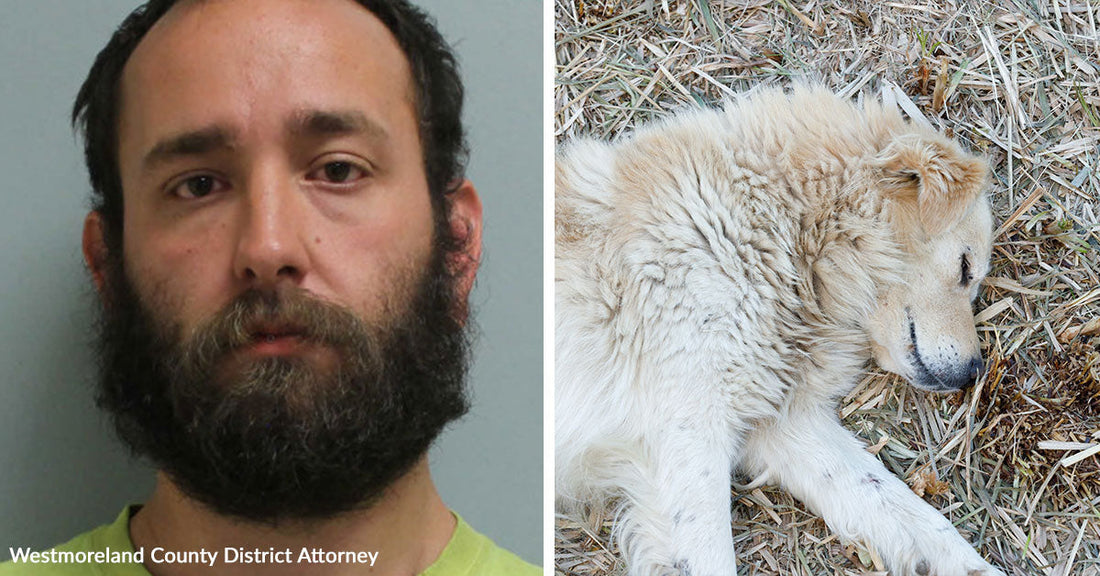
A recent sentencing in Westmoreland County has drawn attention to the seriousness of aggravated animal cruelty and the growing resolve within the justice system to treat such crimes as more than minor offenses. In a case that has deeply affected many who care about animal welfare, a Mount Pleasant man received a state prison sentence for abusing a dog so severely that the animal was left paralyzed. For those who follow animal cruelty cases in Pennsylvania, this outcome highlights how the legal system is responding when a dog endures prolonged and intentional harm.

The case centers on Zachary Hixson, who was sentenced in Greensburg, Pennsylvania, after pleading guilty to multiple charges connected to the abuse of a 10-year-old shih tzu named Snickers. According to the information shared in court, Hixson admitted to two counts of aggravated animal cruelty, along with neglect and animal cruelty charges. Common Pleas Judge Scott Mears sentenced him to serve up to 60 months in state prison, a term that reflects both the severity of the abuse and the lasting impact on the animal and the dog’s owner.
During the sentencing hearing, prosecutors presented graphic videos that Hixson himself had taken of the abuse. These recordings reportedly showed him punching, kicking, and choking Snickers while he was living at his then-girlfriend’s home in South Huntingdon Township in 2024. The fact that the abuse was documented on video gave the court an unfiltered view of what the dog endured. In addition, a victim impact statement from Snickers’ owner was read, allowing the court to hear firsthand how the abuse shattered the bond between a person and a beloved companion animal.
Snickers’ injuries were catastrophic. The abuse resulted in a broken spine, and the small, elderly shih tzu was left unable to walk. When a dog suffers a broken spine, it can mean permanent paralysis, chronic pain, and a dramatic decline in quality of life. In this situation, the animal was not just harmed in a single incident but experienced repeated violence. The age of the dog added another layer of cruelty, since older animals are especially vulnerable and less able to recover from trauma.
The sentence imposed on Hixson addresses not only punishment but also future prevention. In addition to the prison term, the court ordered that Hixson undergo a mental health evaluation. This condition suggests recognition that severe acts of violence against animals may be connected to underlying psychological issues that need assessment and treatment. The court also prohibited him from owning an animal for 14 years, a lengthy ban that aims to protect other animals from potential harm. Restrictions like this can be a critical tool for preventing repeat offenses and are a strong public statement that those who commit serious animal cruelty should not be entrusted with animal care.
The Westmoreland County District Attorney’s Office has acknowledged the efforts that went into prosecuting this case. District Attorney Nicole W. Ziccarelli publicly thanked Assistant District Attorney Elizabeth Ranger for handling the case on behalf of the Commonwealth. Their work brought the abuse to light in a formal legal forum and ensured that the evidence, including the graphic videos and the victim impact statement, was presented in a way that fully conveyed the extent of Snickers’ suffering.
Cases like this one in South Huntingdon, Pennsylvania, often resonate widely because they involve a companion animal that many people can easily imagine in their own lives. A 10-year-old shih tzu is typically small, gentle, and heavily reliant on human care. The contrast between what many expect of a safe home and what Snickers experienced is especially stark. I found this detail striking, because it underscores how completely the dog’s trust was violated and how important it is for legal systems to respond with seriousness when such trust is betrayed.
From an animal welfare perspective, this sentencing underscores a broader cultural and legal shift. In many communities, aggravated animal cruelty is no longer viewed as a minor matter that warrants only fines or short probationary terms. Instead, courts are increasingly recognizing that intentional, prolonged violence against animals is a significant crime with serious consequences. The maximum 60-month prison term imposed in this case reflects that perspective. It signals that inflicting long-term injuries like a broken spine on a defenseless animal is incompatible with the standards of care and responsibility that society expects.
There is also an important emotional dimension to the victim impact statement that was read in court. Such statements allow those closest to the victim, whether human or animal, to convey how deeply the crime has affected their lives. When a dog is paralyzed as a result of abuse, the repercussions extend beyond veterinary bills and physical care. There is grief, anger, and sometimes guilt, even though the owner is not at fault. The justice process can help acknowledge that pain, and the court’s willingness to listen is one way that the legal system validates those experiences.
For individuals concerned about preventing similar tragedies, this case may serve as a reminder of the importance of reporting suspected abuse and supporting organizations that investigate animal cruelty. While the specific investigative details are not described here, it is clear that evidence collection, legal advocacy, and courtroom presentation all played crucial roles. The public nature of the sentence and the explicit ban on animal ownership send a message that serious animal cruelty in Westmoreland County is met with firm legal consequences.
Ultimately, the story of Snickers and the sentencing of Zachary Hixson is both distressing and instructive. It is distressing because it involves intentional harm to a vulnerable animal that depended on humans for safety and care. It is instructive because it shows how the law can respond when abuse reaches a level that causes irreversible injury and lifelong disability. The combination of a state prison sentence, mandatory mental health evaluation, and long-term prohibition on animal ownership presents a comprehensive response focused on accountability, public safety, and animal protection. Read more at https://crimewatch.net/us/pa/westmoreland/da/177666/cases/judge-sentences-mount-pleasant-man-state-prison-dog-abuse-case