
22 Dogs Rescued After Months Long Animal Cruelty Investigation Ends With Arrest
Guest Contributor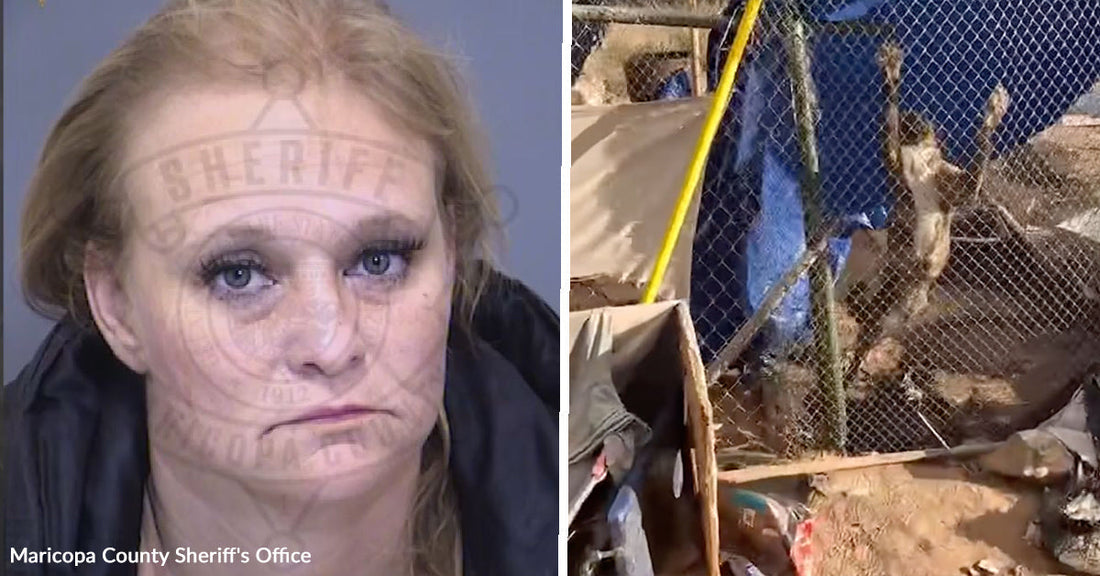
The recent arrest of a woman accused of animal abuse after nearly two dozen dogs were rescued near Buckeye, Arizona, sheds light on how critical it is to recognize and report cruelty when it happens. In this case, the Maricopa County Sheriff’s Office (MCSO) alleges that the dogs were kept in extremely poor conditions and deprived of basic care. The story is deeply troubling, and it highlights the importance of both community vigilance and strong animal cruelty laws.
Authorities say that deputies had been investigating the situation for months before taking the suspect, identified as Gina Steffes, into custody. She was arrested on animal cruelty charges after deputies recovered around 22 dogs from a property located near Old U.S. 80 and Salome Highway, west of Buckeye. For weeks, according to officials, she had been on the run as the investigation continued and evidence was gathered.

The Maricopa County Sheriff’s Office shared that Steffes was booked into the MCSO Intake, Transfer and Release facility on March 4. In their public statement, officials said the arrest came at the end of a “monthslong investigation” in which they believe she “knowingly and repeatedly failed to provide adequate care, shelter, and sanitary living conditions” for the animals in her care. That phrase alone reveals how serious the alleged neglect was, and how sustained it appears to have been over time.
The case first came to light in mid-February after neighbors reported concerns. According to MCSO, deputies searched the property on February 18 following reports that nine dogs were being neglected and did not have enough food or water. Community members clearly noticed something was wrong and were willing to reach out to authorities. Their decision to report possible neglect likely played a major role in bringing help to the animals sooner rather than later.
The investigation did not end with that initial search. On February 24, deputies returned and seized three adult dogs and ten puppies from inside a motorhome on the property. By that point, authorities had discovered that the animals’ living conditions were far from acceptable. In the official description, the motorhome environment was deeply unsanitary and unsafe, especially for vulnerable puppies that depend entirely on human caregivers for survival and health.
Video shared by the sheriff’s office gives a clearer picture of what deputies encountered. The dogs, they report, were surrounded by garbage, dirty clothes, feces, old food, and various discarded items. These details matter because they show not just a momentary lapse in care but an ongoing pattern of neglect. When animals are forced to live in filth, their risk of infections, parasites, respiratory problems, and severe stress rises dramatically. For people who work in animal welfare, these scenes are heartbreaking yet sadly familiar signs of cruelty.
One particular image from the description stands out. According to authorities, a dog and her puppies were kept in a crate placed next to a container filled with brown and yellow liquid and a bucket of feces. The proximity of these unsanitary items to where the animals ate, slept, and moved indicates an environment that would have been both hazardous and highly stressful. I found this detail striking because it illustrates how total the lack of basic cleanliness and compassion can be in some cruelty cases.
Despite this grim setting, there is a measure of hope in the story. All of the dogs were removed from the property and taken for medical treatment. Veterinary care in cruelty cases typically involves not only treatment for visible injuries or illness but also evaluation for malnutrition, dehydration, and psychological trauma. The fact that every dog received medical attention is a crucial step in turning their lives around, even if their recovery may take time.
Once their medical treatment is complete, the dogs are expected to be transferred to the MCSO’s MASH Unit. This specialized program focuses on the rehabilitation of abused and neglected animals. Facilities like MASH provide a controlled, supportive environment where animals can slowly regain trust, learn positive interactions, and heal from both physical and emotional harm. For dogs that have known only confinement and neglect, this type of structured rehabilitation can be life changing.
The Buckeye animal cruelty case also serves as a powerful reminder of why community involvement is essential. It was neighbors who first sounded the alarm by reporting that several dogs did not appear to be receiving enough food or water. That single step set in motion a process that led to a search, the discovery of more animals in distress, and ultimately an arrest. In many cruelty cases, animals cannot be rescued unless someone is willing to speak up about what they have seen.
This situation also highlights how law enforcement agencies and animal welfare units can work together to address cruelty. The sheriff’s office conducted searches, documented evidence, shared updates with the public, and arranged for both medical care and rehabilitation through their MASH Unit. Their public posts and video clips serve not only as updates for the community but also as educational tools, illustrating what neglect can look like and how it is handled under the law.
While the legal process against the accused will unfold in the courts, the immediate concern for many readers is how the dogs are faring. The report notes that all were given medical care, which suggests a serious effort to address their health issues and stabilize their condition. Rehabilitation may involve socialization, gradual exposure to new environments, and consistent, compassionate handling so the animals can begin to feel safe and secure.
Stories like this are difficult to read because they reveal how vulnerable animals can be when they are completely dependent on humans who fail them. At the same time, they show the impact that concerned neighbors, dedicated deputies, and specialized units can have when they intervene. The rescue of nearly two dozen dogs near Buckeye is a sobering example of animal abuse, but it also demonstrates that neglect does not have to go unnoticed or unaddressed.
As this case continues, it may encourage more people to learn the signs of animal cruelty and understand when it is appropriate to contact authorities. Unsanitary living spaces, lack of food or water, visible injuries, and animals kept in cramped or dangerous conditions are all potential warning signs. When community members are attentive and willing to report what they see, more animals can be removed from harmful environments and given the chance to heal in safe, caring surroundings.
Ultimately, the response from the Maricopa County Sheriff’s Office and the work of the MASH Unit underscore a broader message: animal lives matter, and cruelty will not be ignored. The rescue of these dogs near Buckeye illustrates the difference that coordinated action can make, transforming a scene of neglect into an opportunity for recovery and renewal for the animals involved. Read more at https://www.azfamily.com