
Neighbor’s Dog Shot As Man Faces Animal Cruelty Charge
Guest Contributor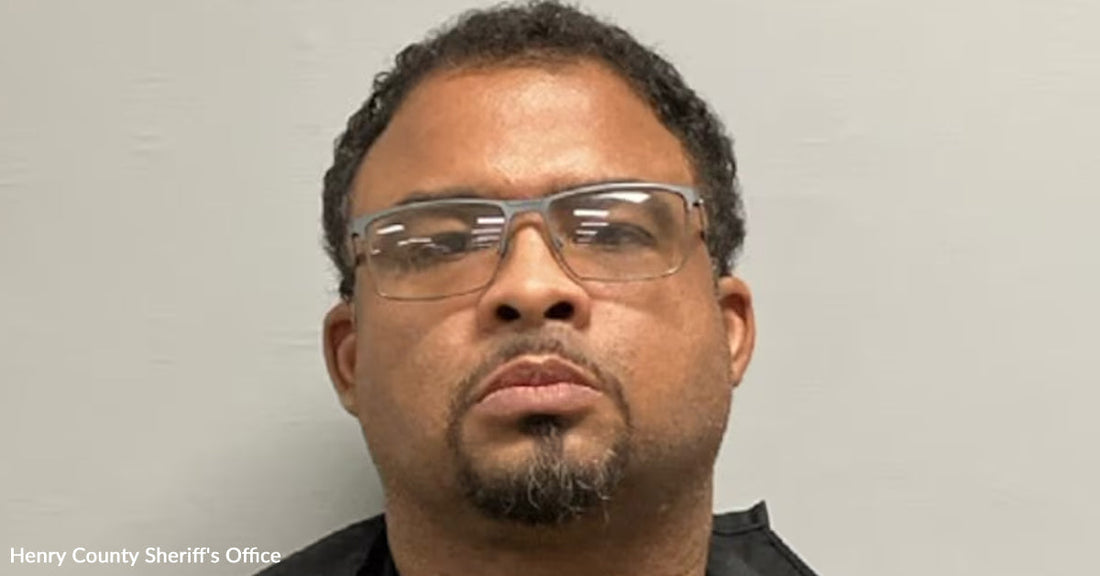
News of animal cruelty has a way of stopping people in their tracks, especially when it involves a family pet harmed in a place that should feel safe. In Henry County, Virginia, a recent report of a neighbor’s dog being shot has drawn attention to serious questions about responsible gun use, community relationships, and the legal protections afforded to companion animals. This incident of an allegedly abused neighbor’s dog highlights just how quickly a dispute involving pets can escalate into a criminal matter.
According to information released by the Henry County Sheriff’s Office, deputies were dispatched on a Sunday in early March to a residence on Robin Road in Axton after receiving a report that a dog had been shot. The animal in question was a pet Chihuahua, described as part of a household where the owner was inside the home when the events unfolded. The woman told deputies she heard two gunshots coming from a nearby property. When she went outside to investigate, she found her dog had been seriously injured.

Deputies arriving on the scene observed several details that aligned with the woman’s account. There were multiple blood trails leading from the area, and the Chihuahua appeared to have a gunshot wound to the groin and testicular area. The dog was transported immediately to an emergency veterinary clinic so that the injuries could be assessed and treated. That quick response underscores how vital prompt veterinary care can be in suspected animal abuse cases where every minute can make a difference for the animal’s survival.
The investigation quickly focused on the woman’s neighbor, identified by the Sheriff’s Office as a man who had left the area before law enforcement arrived. The woman indicated that this neighbor was the person she believed had fired the shots. Deputies were able to contact him by phone, and he agreed to return to his residence to speak with them. This interaction set the stage for understanding how the neighbor described the moments leading up to the shooting.
When questioned, the neighbor reportedly said that the woman’s Chihuahua was in his backyard with several other dogs. He described the dogs as barking and refusing to leave his property. According to the deputies’ account, he stated that he went inside his home, retrieved a firearm, and then came back outside. He claimed that from there he saw the dogs still present in his yard, continuing to bark and moving farther onto his property. At that point, he admitted to firing one shot in the direction of the dogs, which he said was intended only to scare them away. He told deputies that he did not believe he had struck any of the animals.
Physical evidence at the scene, however, appeared to tell a different story from the one suggested by a single warning shot. Law enforcement recovered a 9mm handgun and noted that it was missing two rounds from its magazine. This detail matched the dog owner’s report of hearing two gunshots. Combined with the observable gunshot wound to the Chihuahua and the blood trails leading from the area, investigators had several pieces of information that seemed to conflict with the claim that no dog had been hit.
Based on what deputies described as physical evidence, witness statements, and the severity of the dog’s injuries, authorities decided there was sufficient cause to pursue criminal charges. The neighbor, identified as 48-year-old Brad Lamont Flood, was charged with maiming of a companion animal as well as animal cruelty. Both charges reflect serious allegations. In many jurisdictions, harming a companion animal is prosecuted as a distinct crime that recognizes the animal’s role in the household and in the lives of the people who care for them.
After being charged, Flood was brought before a magistrate and held at the Henry County Adult Detention Center on a secured bond. The nature of those charges signals that investigators view the injury to the Chihuahua as more than a simple property dispute. Instead, they are treating it as a potential felony-level offense involving intentional or reckless harm to an animal that likely relied on humans for care, shelter, and safety.
I found this detail striking: the case hinges not only on statements, but on the physical realities found at the scene. The reported two missing rounds from the firearm’s magazine, the blood evidence, and the documented wound to the dog’s groin region all contribute to a picture that investigators believe warrants a formal response from the justice system. It also shows how animal cruelty cases often depend on meticulous documentation and careful reconstruction of events, since animals cannot speak for themselves about what occurred.
This situation also raises broader questions about what responsible responses to nuisance behavior by animals should look like. If a small dog and other animals entered a neighbor’s yard and barked insistently, some might consider that a frustration or even a concern, especially if there are other pets or vulnerable people nearby. Yet resorting to a firearm, particularly in a residential area, introduces serious risks for both animals and humans. A single bullet can travel unpredictably, and what is described as an attempt to “scare” can lead to permanent injury or death. Responsible pet ownership includes keeping animals safely contained, but responsible firearm use includes avoiding unnecessary discharge, especially where neighbors and their pets are close by.
The legal framework around animal cruelty acknowledges that pets are often viewed as family members. Maiming of a companion animal and related animal cruelty charges carry potential penalties that can include fines, probation, and incarceration, depending on the jurisdiction and the severity of the harm. When a companion animal is shot, it is not only the animal that suffers. The people who care for that animal often experience a deep emotional impact, one that law enforcement and courts increasingly recognize as significant harm.
For communities, incidents like this can strain neighbor relationships and create a sense of unease. People may wonder how a disagreement involving barking dogs escalated to a shooting. The fact that authorities are asking anyone with further information to come forward underscores that their work is not yet complete. Although many details have been made public, investigators appear to be seeking a fuller picture of what led up to the gunshots, how many animals were present, and what bystanders may have seen or heard.
The ongoing nature of the investigation serves as a reminder that initial reports are only part of the story. More facts may emerge about the behavior of the dogs, the neighbor’s state of mind, or other conditions at the scene. Until the legal process concludes, the charges remain allegations. Nonetheless, the combination of an injured Chihuahua, forensic evidence related to the firearm, and consistent statements from the dog’s owner has already brought this case to the level of criminal court oversight.
Stories of animal cruelty often prompt strong public emotions, from anger and sadness to calls for tougher laws and better enforcement. At the same time, they highlight the responsibilities that come with sharing neighborhoods. Secure fencing, leashes, and training can help keep pets safely on their own property. Clear communication between neighbors about recurring concerns may prevent conflicts from spiraling out of control. When firearms are present, careful storage, training, and restraint become essential parts of living safely alongside others.
Ultimately, what happened on Robin Road in Henry County is being examined not only as a specific event, but as a reflection of how seriously society takes harm inflicted on animals. As the investigation continues, the well-being of the injured Chihuahua, the legal outcome for the accused neighbor, and the community’s response will all help define what accountability looks like when a companion animal is at the center of a violent incident. Read more at https://www.wdbj7.com