
Newborn Kitten Found Helpless in the Road During Heavy Rain Gets a Lifeline From Storm Crews
Guest Contributor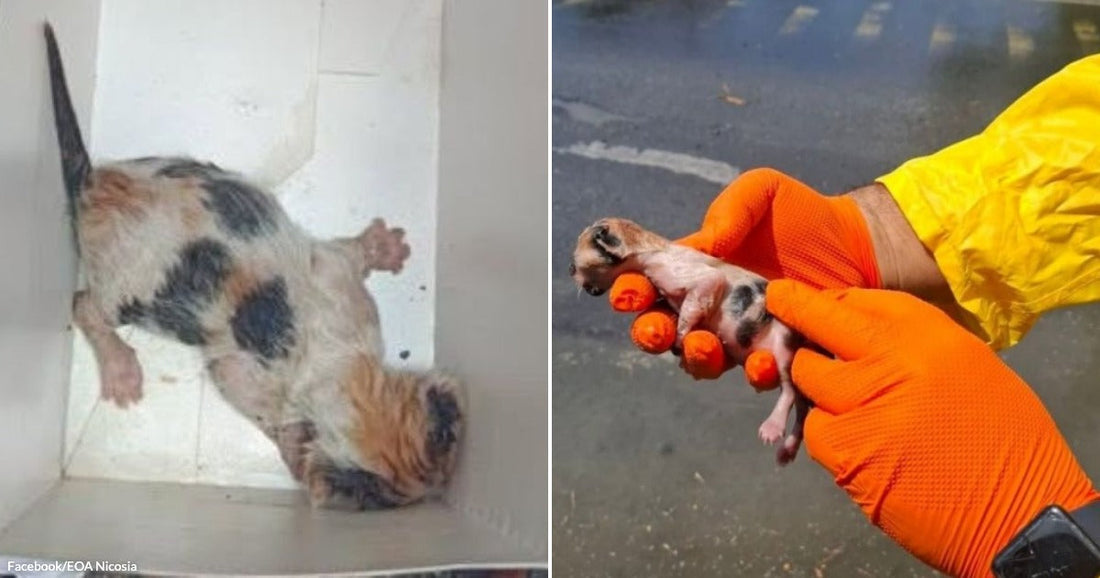
The image of a newborn kitten rescued from a road in Dali during a violent downpour is the kind of small but powerful moment that lingers. While crews in Cyprus focused on blocked drainage grates and an overburdened stormwater drainage system, they suddenly found themselves carrying out a very different kind of emergency response. This quiet story of a newborn kitten rescue during a storm response reveals how quickly a routine public safety operation can turn into an act of compassion.
According to information from the Nicosia District Local Government Organisation, three rapid-response crews from EOA Nicosia were sent out on Sunday as heavy rainfall caused problems in the area. Their primary assignment was straightforward and urgent. They were tasked with clearing blocked drainage grates and handling issues that could threaten roads, property, and public safety if left unchecked. Floodwater, debris, and overwhelmed stormwater infrastructure create well-known risks, especially when strong rain hits in a short period of time. These workers were in the middle of that demanding situation when something completely unexpected appeared on the road ahead.

One of the teams, working in the rain, spotted a tiny newborn kitten lying on the road in Dali. In those conditions, the kitten’s chances of surviving alone were extremely slim. The crews were there to prevent flooding and ensure that the stormwater drainage system could cope, but in the face of such vulnerability, they changed focus for a moment. Instead of treating the discovery as a distraction from their core mission, they took it as part of their responsibility to protect life where they could. Stopping to rescue such a fragile animal, especially in the middle of a downpour, put a very human face on a job that often goes unnoticed unless something goes wrong.
The rescue did not end at the roadside. A colleague within EOA Nicosia, who had a nursing cat at home, stepped in to take the kitten into their care. This detail is crucial because a newborn animal has specific needs that are difficult to meet, particularly in an emergency. The nursing cat could provide milk, warmth, and some measure of comfort, giving the kitten a real chance at survival instead of being left to face the storm alone. I found this detail striking, because it connects an institutional operation with the personal commitment of individuals who extend their concern beyond their official roles.

Facebook/EOA Nicosia
News of the rescue highlights how, in difficult or chaotic moments, acts of kindness can quietly reshape the narrative of a day. The intense rainfall in Dali and surrounding areas demanded rapid intervention, and crews responded with efficiency. They were there to safeguard infrastructure and prevent water from pooling on roads, clogging grates, and entering places it should not be. Yet the discovery of the kitten transformed part of that effort into something more intimate, reflecting both professional responsibility and spontaneous empathy.
Stories like this one can offer a more complete picture of what emergency and municipal crews face. They work in harsh weather, at odd hours, and under pressure to solve problems that most people only notice when they create visible disruption. Clearing a blocked stormwater drainage system may not appear remarkable at first glance, yet it is vital for preventing accidents and damage. In the middle of such practical, highly technical work, finding a newborn animal in distress adds an emotional dimension that is not written into any job description. The staff could have focused solely on clearing water and debris, yet their choice to act on the kitten’s behalf shows a broader, inclusive sense of duty.

Facebook/EOA Nicosia
This event in Dali illustrates another important point. Communities rely on local government organisations not only to maintain infrastructure, but also to respond in flexible, humane ways when unexpected situations arise. When a storm hits, people think of flooded streets, slippery surfaces, and traffic disruptions. The idea that a newborn kitten might suddenly become the focus of attention during a storm response is surprising, yet it fits with a wider understanding of public service. Individuals within these teams are often residents, neighbours, and animal lovers themselves, bringing their personal values into the field. Their actions create a bridge between institutional roles and the everyday compassion that helps define community life.
At the same time, the involvement of a colleague with a nursing cat shows how vital social networks are in these efforts. Even though the story centers on a single kitten, it quietly underscores the way collaboration works. One group of workers identified the problem on the road, and another person offered a safe, nurturing environment. Without that network, the rescue might have ended at the point of removal from danger. Instead, it became a more complete intervention, aimed at giving the kitten not just temporary relief but an actual opportunity to live.
For readers, it is also a reminder of how quickly circumstances can put vulnerable animals at risk in severe weather. Heavy rainfall, fast-moving vehicles, and flooded streets leave little margin for a newborn left exposed on the asphalt. The Dali rescue can encourage more awareness about what to do if someone encounters a similar situation. While the article does not provide guidelines, widely accepted practice suggests that people should always prioritize their own safety, contact relevant local services when possible, and ensure that rescued animals receive appropriate care from professionals or experienced caregivers. In this case, the presence of a nursing cat was a fortunate and important element of the story.
Emotionally, the rescue turns a day defined by “intense rainfall” and blocked drainage grates into something more hopeful. The workers were dealing with potential damage and disruption. Yet by the end of the day, part of their legacy from that storm was a very small life saved from a wet, dangerous road. It adds a note of gentle uplift to a situation that could easily have been described only in terms of risk and inconvenience. Even as crews returned to their core tasks, the memory of that kitten would likely stay with them long after the rain stopped.
Across many places, similar small rescues often happen quietly, without much attention. What makes this particular newborn kitten rescue in Dali stand out is the way it captures an intersection of public service, environmental stress, and individual kindness. It shows that even in high-pressure conditions, people can still find room for empathy, and that institutions aimed at protecting infrastructure can also be part of protecting the most vulnerable living beings around us.