
A New Path to Survival: Tanzania Designates Its First Wildlife Corridor
Guest Contributor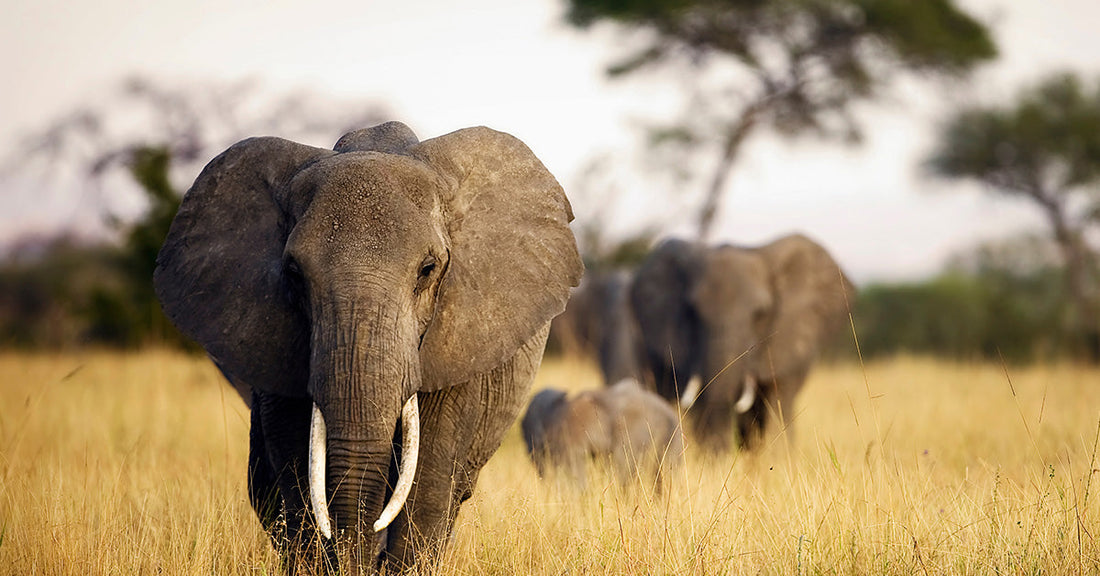
The official designation of the Nyerere-Udzungwa Wildlife Corridor in Tanzania marks a powerful and hopeful moment for global conservation. As the first ever wildlife corridor in Tanzania to receive this formal legal protection, it represents a turning point in how landscapes are managed for both people and wildlife. This newly protected Nyerere-Udzungwa Wildlife Corridor, often referred to as the NUWC, is more than a line on a map. It is a living lifeline that supports some of East Africa’s most iconic species and strengthens a rare win-win model where local communities, governments, and conservation organizations move forward together.
This corridor, previously known as the Kilombero Elephant Corridor, has been years in the making. The Southern Tanzania Elephant Programme, widely known as STEP, has worked since 2018 to restore and secure this vital stretch of land. Their efforts, carried out in partnership with donors, conservation allies, and the communities of Sole, Mang’ula, and Kanyenja, have now culminated in official recognition from the Tanzanian government. With this designation, the NUWC is no longer just an informal route used by wildlife. It is a legally protected wildlife corridor with clear backing from national authorities, and that shift is significant for long-term conservation planning.
At the heart of this achievement is the simple but powerful idea of connectivity. The Nyerere-Udzungwa Wildlife Corridor reconnects two of Tanzania’s important protected areas, Udzungwa Mountains National Park and Nyerere National Park, using the Magombera Nature Forest Reserve as a central link. This landscape connection is not merely geographic. It restores a historic path for elephants across the Kilombero Valley that has existed for generations. The corridor secures a safe passage for elephants to move between forests, search for food and water, and maintain the social and genetic links that healthy elephant populations depend upon.

The scale of its importance is striking. The article reports that this corridor is essential for maintaining the connectivity of 40 percent of East Africa’s elephants. That single figure highlights why the NUWC is already being viewed as a conservation milestone with significance far beyond national borders. When such a large portion of a region’s elephant population relies on the ability to move freely, a gap in the landscape can become a serious threat. Conversely, a restored and legally protected route can strengthen the resilience of entire populations as they face pressures from habitat loss, human expansion, and a changing climate.
Although elephants are central to the story, they are far from the only beneficiaries. The safe link created by the corridor supports a wider web of life that depends on undisturbed movement through forest and savanna. Alongside elephants, species such as leopard, lion, buffalo, and hyena are reported to use this landscape, relying on connected habitats to hunt, breed, and disperse. Primates also stand to gain. The Udzungwa Red Colobus, a primate found only in this region, is one such example of a species that will benefit from improved protection and connectivity between forest blocks.

By maintaining a continuous stretch of habitat, the corridor helps keep ecosystems functioning. Predators need room to roam, prey species need safe areas to graze and browse, and rare primates need intact forests to survive. Fragmentation can isolate animals into ever-smaller pockets of land where resources decline and conflict with people becomes more frequent. A designated corridor that opens space for safe wildlife movement does the opposite. It provides a buffer against isolation and allows animals to respond more naturally to seasonal changes and environmental shifts.
Equally compelling is the role of local communities in making this conservation success possible. The article highlights that residents from Sole, Mang’ula, and Kanyenja villages have placed their own land at the heart of the project. These community members agreed to set aside small farm plots to create and secure the path that wildlife needs. Their decision did not come at a one-sided cost. Landowners received compensation for the farmland they contributed, which acknowledged the value of their sacrifice and helped reduce the financial impact of changing land use. This model recognizes that people living alongside wildlife are not obstacles to conservation, but central partners.
The benefits for these communities go beyond one-time compensation. Long-term employment opportunities and income-generating projects are envisioned as part of the corridor’s future. Jobs in conservation, habitat management, monitoring, tourism support, or other related fields can offer more stable incomes while keeping the landscape intact. When communities share in the direct advantages of conservation, they are more likely to remain active stewards of the land. This connection between local wellbeing and ecological health transforms a protected corridor from an abstract conservation zone into a shared, living asset.
Reduced human-wildlife conflict is another important outcome the article identifies. Where farms and wildlife routes overlap, tension often rises. Crops can be damaged, property can be at risk, and people may feel unsafe. By legally protecting the corridor and ensuring that both people and animals have appropriate space, it becomes easier to separate high-risk areas and design strategies that prevent conflict before it arises. A designated route offers a clearer framework for planning fences, warning systems, and land use, all aimed at allowing wildlife to move while safeguarding livelihoods. Peaceful coexistence becomes more achievable when landscapes are planned with both human and animal needs in mind.
The designation of the Nyerere-Udzungwa Wildlife Corridor is also a testament to persistence. STEP and its partners have been working in this region for years, navigating ecological assessments, community consultations, fundraising, and policy engagement. The official recognition from the Tanzanian government signals that these efforts have matured into a concrete, lasting achievement. I found this detail striking because it underscores how conservation outcomes at scale often stem from patient, locally grounded work that may not draw attention until a milestone like this is reached. Behind the announcement lies a network of relationships, trust, and shared goals built over time.
Global supporters have also played a meaningful role. The article acknowledges the contribution of World Land Trust supporters, whose backing helped secure the protection of this critical landscape. Their involvement illustrates how international solidarity can complement local leadership. Funding, advocacy, and technical support from outside the region can help translate community and organisational vision into protected status and practical management on the ground. It is a reminder that safeguarding the movement of 40 percent of East Africa’s elephants is an achievement of both local commitment and wider global concern for biodiversity.
Looking ahead, the story of the NUWC is still being written. With the legal designation now in place, attention will turn to the next phase of the corridor’s journey. Effective management plans, careful monitoring of wildlife movement, and ongoing support for village-level livelihood projects will all shape how this corridor performs in practice. STEP is expected to continue sharing updates from the field, offering a window into how this new legal status translates to daily change on the ground. What is already clear is that the Nyerere-Udzungwa Wildlife Corridor stands as a powerful example of how thoughtful conservation can protect wide-ranging species like elephants, support rare primates such as the Udzungwa Red Colobus, and uplift the communities who share their home with wildlife.