
Two Dogs Were Allegedly Left Behind During a Move and One Died Hours After Rescue
Guest Contributor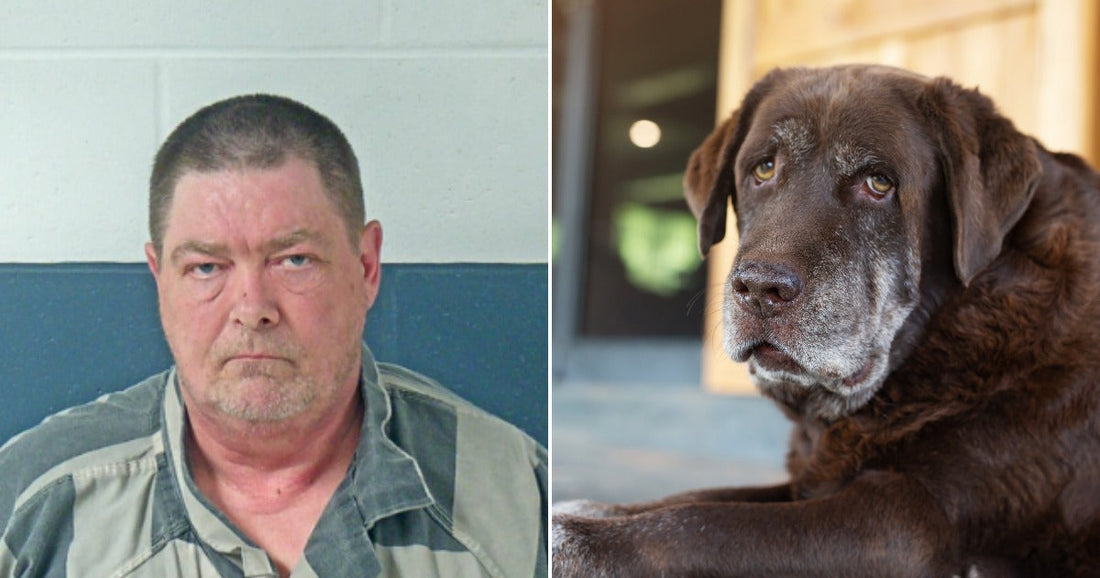
The story of an Oolitic man charged after allegedly leaving behind two malnourished dogs in a Bedford apartment is difficult to read, but it is important to tell. Animal cruelty cases, especially those involving neglected and abandoned dogs, reveal not only heartbreaking individual incidents but also the ongoing need for awareness, intervention, and accountability. In this case, the allegations center on what happened during a move out of a Bedford apartment building, and how two small dogs were reportedly left severely ill, one of them so compromised it did not survive the night.
According to the reported probable cause affidavit, officers from the Bedford Police Department were dispatched around 7 p.m. on September 12, 2026, to an apartment in the 1000 block of 17th Street after people in the area reported loose and ailing dogs. When officers arrived, they encountered a scene that bystanders described as deeply distressing. A small black puppy was found outside, severely emaciated and covered in fleas. Nearby, a small brown dog cowered on a porch, struggling to move. Witnesses told police that the brown dog had been extremely ill and had urinated blood before officers got there, a detail that conveys just how dire the animal’s condition appeared to be.

The incident unfolded as the property manager came to the building after learning a tenant was in the process of moving out and allegedly planning to leave the two dogs behind. The tenant was identified as 56-year-old Charles Garland of Oolitic. The manager reported that when she confronted Garland about the dogs remaining in the residence, an associate helping with the move opened the door and released the animals from inside the apartment. The situation quickly moved from a landlord-tenant concern to a potential case of animal neglect and abandonment.
Investigators noted that Garland denied owning the dogs when questioned. This denial became a central point of the investigation, and officers sought additional information to determine how long the animals had been in his care. As part of that process, police reviewed body-worn camera footage from a previous call at the same apartment that had taken place on August 14, 2026. That footage reportedly showed the same black puppy clearly emerging from Garland’s doorway, indicating that at least one of the dogs had been associated with the residence for several weeks before the September call.

Lawrence County Sheriff's Department
In addition to the video evidence, the affidavit states that an associate assisting Garland with the move later spoke with investigators and acknowledged that Garland had been keeping both dogs for at least a month. The associate reportedly explained that Garland’s new residence did not allow pets. That detail does not determine legal guilt, but it offers context about how and why the dogs may have been left behind. I found this detail striking because it illustrates how housing restrictions around pets can collide with an animal’s welfare, especially if a person does not make arrangements for surrender or rehoming before a move.
Once officers secured the animals, Animal Control took custody at the scene. The condition of the brown dog, already described as extremely ill, proved critical. Despite being taken into care, that dog died overnight because of its condition. The loss of that animal underscores the severity of what responders encountered. The surviving black puppy was placed under the supervision of animal welfare officials, which at least offers the possibility of recovery and a safer future. Cases like this often highlight the essential work local shelters and animal control officers do when they step into emergencies involving neglected or abandoned pets.
From a legal standpoint, the Bedford Police Department requested an arrest warrant for Garland through the Lawrence County Prosecutor’s Office. The charges reported are neglect of a vertebrate animal and abandonment of a vertebrate animal. These charges reflect two key elements regularly seen in animal cruelty law enforcement. Neglect focuses on the alleged failure to provide adequate care, such as food, water, shelter, or necessary medical treatment. Abandonment centers on leaving an animal without reasonable arrangements for its care or safety. In many communities, these kinds of statutes are designed to cover scenarios where animals are left behind in residences, vehicles, or public places without support.
It is crucial to emphasize, as the original report does, that all individuals are presumed innocent until proven guilty in a court of law. The information described here comes from a probable cause affidavit and represents allegations, not a court’s final determination. A charge or request for an arrest warrant means investigators believe there is enough evidence to proceed, but the justice system still requires a full legal process, which can include defense arguments, additional evidence, and ultimately a ruling or negotiated outcome.
At the same time, the description of the dogs’ condition, especially the severely emaciated puppy and the brown dog urinating blood, raises broader questions about how communities can recognize and report possible neglect earlier. Often neighbors, property managers, and even casual observers play a crucial role in noticing animals that appear extremely thin, lethargic, infested with parasites, or left alone without adequate shelter. In this situation, bystanders and the property manager intervened at a critical moment, which at least allowed law enforcement and animal control to step in and provide care, even if tragically one dog did not survive.
This case also highlights the pressures that can arise when someone moves from one home to another while living with animals. Rental agreements and housing policies that prohibit pets can create difficult choices. The lawful, humane options are to work with shelters, rescue organizations, or trusted individuals to surrender or rehome animals, rather than leaving them behind in unsafe conditions. While the affidavit suggests the new residence did not allow pets, that circumstance does not lessen an owner’s responsibility to protect the animals in their care. If anything, it points to the value of planning ahead and seeking help early from local animal welfare groups that are often prepared to offer guidance or intake options.
Stories about animal neglect are often emotionally charged, but they can also serve as reminders of the systems that do work. In Bedford, reports from the public prompted a response. Officers documented the scene, referenced body camera footage from an earlier date, and coordinated with Animal Control to secure the dogs. The subsequent action by the prosecutor’s office shows that these incidents are taken seriously at a legal level. For those who care about animal welfare, following the outcomes of cases like this can help ensure that community standards for humane treatment continue to be enforced and refined.
Ultimately, the fate of the surviving puppy and the legal resolution for the accused will develop over time. For now, the reported facts present a sobering portrait of what can happen when vulnerable animals are left in deteriorating conditions during a major life transition like a move. Sharing and understanding these stories supports a culture that values accountability, compassion, and proactive problem solving for both people and the animals who depend on them. Read more at https://www.wbiw.com/2026/10/07/oolitic-man-facing-charges-after-malnourished-dogs-left-behind-during-move-one-dies/