
Massive Dogfighting Raid Ends With Forty Five Arrests
Guest Contributor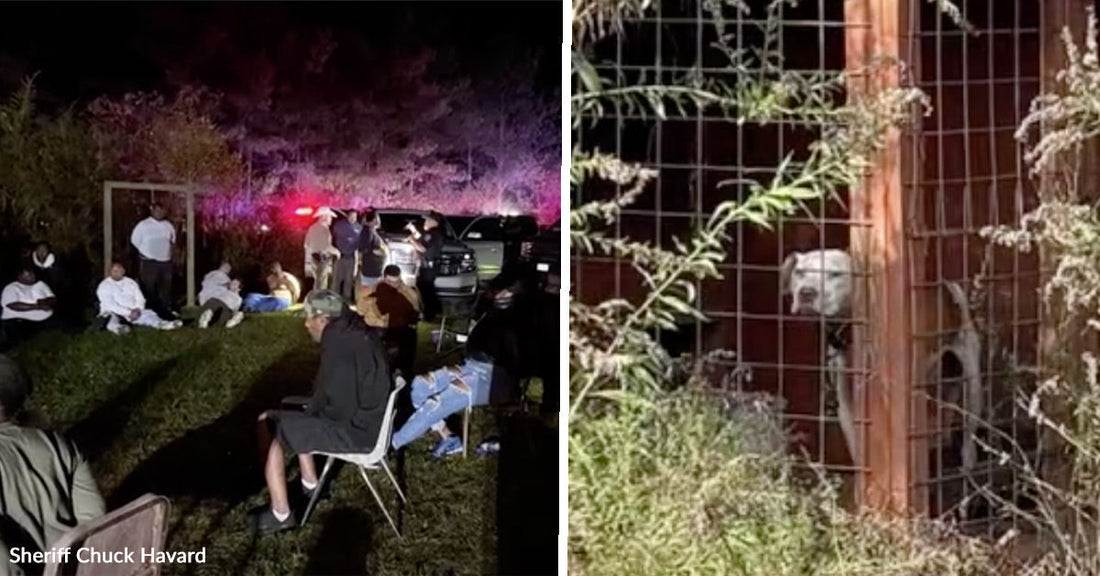
Authorities in Newton County say a major dogfighting ring has been exposed, and the details are difficult to take in. During a coordinated effort known as “Operation Pit Bull,” the Newton County Sheriff’s Office arrested 45 people and seized multiple animals and weapons. At the center of this case is an alleged large-scale dogfighting operation, a stark reminder that animal cruelty and illegal dogfighting remain serious problems that communities must confront.
According to Sheriff Colton Havard, deputies arrived at a rural property off FM 1004 in the Call community and encountered a scene that spoke volumes about the brutality of organized dogfighting. They found two dogs actively fighting in a homemade pit while people scattered into nearby woods, attempting to escape. Investigators seized 16 dogs in total, along with more than $70,000 in cash and several firearms. The operation, as described, appears to have been carefully set up and supported, rather than a spur-of-the-moment enterprise.

Sheriff Havard characterized what his team discovered as among the most disturbing crimes he has seen in his 11 years in law enforcement. He described the cruelty of placing two animals in a makeshift ring and allowing them to fight to the death as “terrible,” underscoring the moral weight of the alleged offenses. That choice of words reflects not only a professional assessment but a personal reaction to what officers encountered as they broke up the dogfighting ring.
The charges resulting from this operation center on dogfighting, which under Texas law is a Class A misdemeanor. If convicted, those arrested could face up to one year in jail and a fine of up to $4,000. Most of the 45 individuals taken into custody have reportedly bonded out of jail as the legal process continues. The scale of the arrests highlights both how extensive the gathering was and how many people were allegedly willing to participate as spectators or facilitators in this form of animal cruelty.
The investigation did not come together by accident or in a single day. The Sheriff’s Office began looking into suspected dogfighting activity in March and used a combination of modern technology and traditional surveillance methods to build the case. Deputies employed drones and human spotters to monitor the location, a strategy that suggests organizers took pains to conceal their operation from view. That level of preparation on both sides points to the ongoing challenge law enforcement faces when tracking and dismantling underground dogfighting networks.
Despite the number of arrests made during Operation Pit Bull, authorities say the investigation is far from over. The organizers of the dogfighting ring have not yet been taken into custody, and Sheriff Havard emphasized that the search for those responsible is continuing. He stated that there are no major updates at this time, but that deputies are still following leads and will arrest anyone found to be engaging in related criminal activity. This ongoing pursuit hints at a broader structure behind the event that has yet to be fully uncovered.
From a community standpoint, the case raises unsettling questions about how such a large gathering could take shape and operate for any length of time. The reported seizure of tens of thousands of dollars in cash and multiple guns paints a picture of a gathering where money and risk were both significant. It also reflects the reality that dogfighting is not just an act of cruelty against animals. It can be tied to gambling, weapons offenses, and other criminal behavior that affects the safety and wellbeing of surrounding neighborhoods.
I found the description of using drones and spotters particularly striking because it illustrates how far law enforcement sometimes has to go to identify and disrupt animal cruelty cases. While drones are increasingly common tools in many types of investigations, their use here signals that dogfighting operations are adapting to avoid exposure. When organizers rely on remote locations, informal networks, and word of mouth, it can take careful planning and significant resources to document enough evidence for arrests and charges.
The human response within the Sheriff’s Office is also an important part of this story. When a sheriff with over a decade of experience calls a crime one of the most disturbing of his career, it conveys the emotional and ethical weight of what officers encountered. Such statements may resonate with residents who consider their pets family members and who view animal cruelty as a serious moral wrong. They also send a message to anyone considering similar activities in Newton County that the local authorities are prepared to respond decisively.
The legal consequences of dogfighting charges, although clearly outlined in state law, are only one piece of a much broader picture. Animal welfare advocates often note that the aftermath of a dogfighting bust includes not just the criminal process but also significant work to care for rescued animals. While detailed information about the condition and future of the 16 seized dogs was not provided, it is common in such cases for animals to require medical treatment, behavioral evaluation, and potentially long-term rehabilitation. Behind each number in a seizure count are individual animals that have experienced violence and neglect.
At the same time, this case highlights the critical role of public involvement. Sheriff Havard urged anyone with information about the operation or those behind it to contact the Newton County Sheriff’s Office. Community members who speak up when they see or hear indications of dogfighting can be central to stopping abuse that might otherwise remain hidden. Tips about unusual gatherings, frequent barking and injuries among animals, or suspicious structures and equipment can provide leads that help investigators intervene before more harm is done.
The Newton County dogfighting investigation serves as a reminder that cruelty toward animals is not a distant issue limited to sensational cases in major cities. It can appear in rural and semi-rural areas, in small communities, and in places that otherwise feel quiet and safe. Recognizing this reality does not mean living in fear, but it does mean being willing to look clearly at difficult facts and to support law enforcement efforts to protect vulnerable animals.
Operation Pit Bull may ultimately be remembered not only for the 45 arrests and the cash and guns seized, but also for the strong public stance articulated by local authorities. Sheriff Havard has made it clear that dogfighting will not be tolerated in Newton County and that anyone involved in similar crimes can expect a determined response. For residents and observers who care about animal welfare and community safety, that message offers some measure of reassurance even as the full story continues to unfold.