
Rescuer Arrives For Four Abandoned Dogs And Finds Thirteen Lives Fighting To Survive In The Orchard
Guest Contributor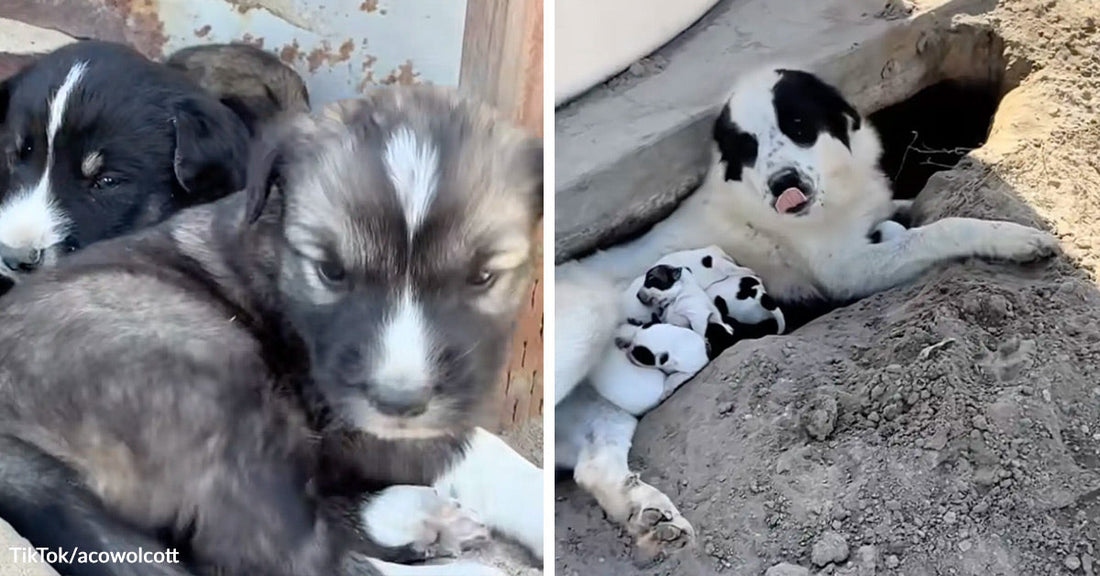
Animal rescues often begin with a simple call for help, but some unfold into stories far more moving than anyone expects. That is what happened when Fresno Humane Animal Services officer Priscilla Wolcott responded to a report about a few abandoned pups in a remote orchard. What she found was not only more dogs than expected, but also a nest of 10 newborn puppies relying entirely on the kindness of strangers. For anyone who cares about abandoned dogs and animal rescue stories, this particular rescue in an isolated orchard reads like a quiet, real-life miracle.
The call came from a worker at the orchard who reported a heartbreaking situation. According to the worker, there were four dogs left behind on the property: one mother and three puppies. The area was so remote that there was no one living nearby, and the dogs appeared to have been left to fend for themselves among the trees. Wolcott knew time was important, but the orchard was far from the Fresno Humane Animal Services facility, and she could not get there immediately. It would be two days before she could reach the site.

In those two days, the rescue effort quietly began long before the officer ever arrived. The orchard workers stepped into the role of temporary caregivers. As Wolcott later explained, there was no one out there except those workers, and the animals were relying on them for food and water. Each day, people already occupied with hard physical labor still carved out moments to make sure the dogs had something to eat and drink. I found this detail striking because it highlights how often animal welfare begins with ordinary people who simply refuse to look away.
When Wolcott finally pulled into the orchard, she expected a straightforward rescue mission. She would gather one mother dog and three puppies, then head back to the shelter. Instead, the situation she walked into was far more complex and surprisingly heartwarming. She quickly spotted the four dogs that had been mentioned in the call, then noticed something else among the trees. Tucked deeper into the orchard was another mother dog, and she was not alone. Nestled beside her was a brand-new litter of tiny newborn puppies.
What started as a report of four dogs had suddenly expanded into an entire little community of canines. In total, Wolcott discovered two mother dogs, their combined litters of puppies, and yet another adult dog living among the trees. Thirteen dogs in all had been trying to survive in that lonely orchard. The workers later explained that the original call reflected only what they could see at the time. The other adult dogs had been hidden too deep in the rows of trees to be noticed. Sometime in the two days before Wolcott arrived, one of the dogs had given birth to her puppies, which made the rescue even more urgent and emotional.
There is an understandable sense of shock in realizing that a simple rescue involves so many vulnerable lives. Wolcott described it as surprising in the best way. As she was still taking in the full picture, the dogs themselves made the next move. They ran toward her, tails wagging, completely open to connection despite everything they had been through. Instead of fear or aggression, there was only friendliness and trust. They licked her hands, greeted her happily, and showed none of the guarded behavior one might expect from abandoned animals.
This reaction says a great deal about the power of gentle treatment. Those workers who spent two days feeding and watering the dogs played an important role not only in keeping them alive, but also in preserving their sense of safety around humans. For anyone following animal rescue news, it is a reminder that even short-term acts of care can shape the outcome of a rescue and the emotional wellbeing of the animals involved.
Wolcott now faced a practical problem. She had arrived prepared to transport four dogs, not thirteen. Yet leaving any of them behind was never an option in her mind. She had to improvise. Normally, the agency does not place animals in the back seat of the truck for safety reasons. This time, she adjusted her plan. To make room for every single dog, she carefully rearranged and used the back seat as well. She later recalled thinking that she was not going to leave one of them out there, and that they were going to make it work either way.
Once the dogs arrived safely at Fresno Humane Animal Services, another relief surfaced. All thirteen were in good health. That positive news opened the door for a hopeful next chapter. The two mother dogs and their babies were transferred to Ruff Day Rescue, a group equipped to support nursing moms and growing puppies. There, the newborn puppies and the slightly older pups could grow, play, and socialize until they were old enough for adoption. It did not take long for each one of those puppies to find a forever home. Stories like this often highlight how quickly people respond when they hear about rescued puppies looking for families.
The extra adult dog, whom staff at Fresno Humane named Hope, remained at the main facility rather than going with the mothers and their litters. Hope eventually found a home of her own through the usual shelter adoption process. From the lonely rows of an orchard to a new life with people who cared for her, Hope’s journey mirrors that of the other dogs yet is distinct in its own quiet way. For many readers interested in abandoned puppies and shelter success stories, her name seems fitting for what she represents.
In the end, what began as a single call about four abandoned dogs turned into a rescue of thirteen lives, including ten newborn puppies who might never remember the orchard where they were found. For Wolcott, seeing photos and updates of those dogs in their new homes serves as a powerful reminder of why this work matters. She has spoken about what it means to watch them live their best lives, loving their families and being loved in return. It is easy to think of animal rescue as a series of urgent tasks or numbers on a report. This story in particular invites a different perspective. It is about individual dogs who once depended on the kindness of orchard workers and an animal control officer, and who now depend on the affection of adoptive families that chose them.
There is a gentle lesson in this orchard rescue about the many hands it takes to turn an uncertain situation into a happy ending. A worker who makes a phone call, colleagues who share food and water, a rescuer willing to bend the usual rules to fit one more crate into a truck, and a rescue organization ready to accept nursing mothers and a pile of wiggling puppies. Together they turned an isolated patch of farmland into the beginning of a beautiful new life for thirteen dogs. For anyone who cares about animal welfare, this story affirms that compassion, even in small acts, can ripple outward until it transforms everything it touches. Read more at The Dodo