
Arrest Made After Dog Found Skin And Bones In A Cage
Guest Contributor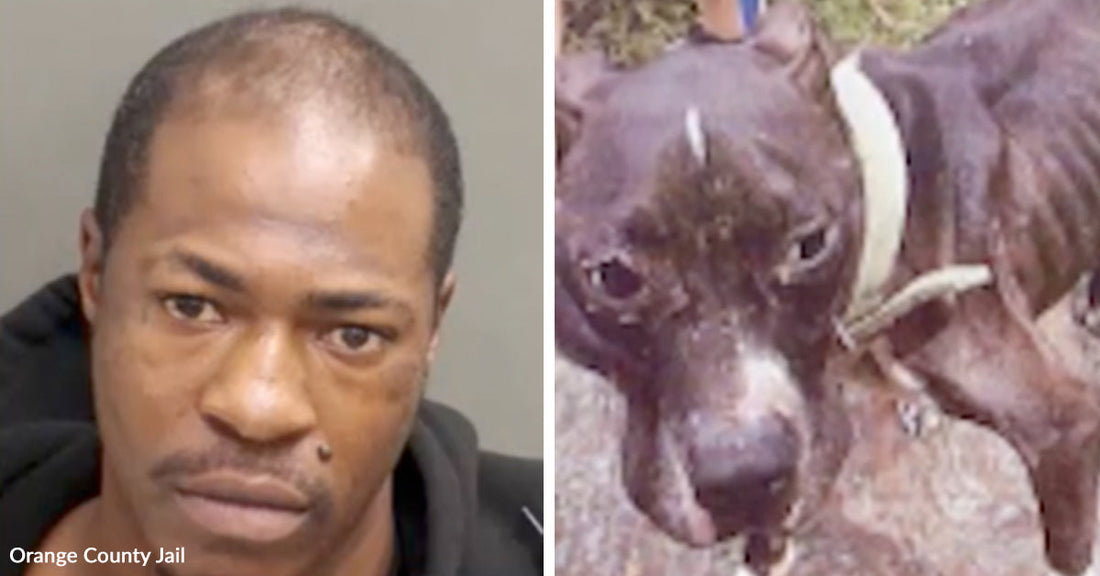
The recent arrest of an Orlando man on animal cruelty charges, alongside an unrelated incident involving a smashed car window, paints a deeply troubling picture of neglect and harm. At the center of this case are four dogs that officials say were abandoned on a property after an eviction, including one described as “skin and bones.” Stories like this bring issues of animal abuse, neglect, and responsibility into sharp focus, and they prompt important questions about how communities and authorities respond when animals are left behind.
According to information reported by local authorities, the chain of events began when Orange County Animal Services was called to a home on Dollins Avenue in Orlando. A property management company notified officials that the tenant had been evicted that day, and that several dogs had been left behind. Animal services officers say they arrived to find four dogs in crates in the backyard, without food or water. For anyone who cares about animal welfare, the idea of crated dogs left behind in that condition is disturbing on its face.

The arrest report cited by Orlando police and animal services described what officers encountered in stark terms. Two of the dogs were said to be underweight, and three tested positive for hookworms, a parasitic condition that can be painful and dangerous for dogs if it is not treated. One dog, identified by name as Junior, stood out as the most severe case. Junior was described as emaciated, suffering from heartworm, and having a noticeable eye discharge. The report characterized the dog’s body condition as essentially “skin and bones,” a description that conveys just how advanced the neglect may have been.
Neighbors told reporters they were not fully aware of what was going on behind the home. One man, who did not want to be fully identified, recalled seeing three or four dogs on the property. He said he had never personally seen anything he recognized as abuse. From his perspective, it appeared to be simply “too many dogs in one area,” not an obvious case of cruelty. His comments highlight how neglect is not always visible to those nearby, and how outward appearances can obscure serious underlying problems.
When shown a photo of Junior, that same neighbor reacted with shock. He noticed the dog’s ribs showing and seemed taken aback by the extent of the animal’s condition. That reaction underscores a painful reality. Many people may not notice gradual weight loss or poor health from a distance, but a clear image of an emaciated dog often brings home how serious the situation has become. I found this detail striking because it illustrates the disconnect between what neighbors thought they were seeing and what authorities ultimately documented.
The arrest report states that the owner arrived back at the property while animal services officers were posting paperwork related to animal cruelty and abandonment. Officials identified him as Quantize Pugh. According to the report, Pugh told officers that he had returned for the dogs once he had room in his truck after moving. Regarding Junior, he allegedly admitted that he knew the dog was sick but said he had not been able to get to the feed store for medication. Animal services personnel informed him that the dogs could not be returned to him, given Junior’s condition and the overall circumstances they observed.
The timeline adds another layer to the story. The initial call to animal services reportedly came in October. The arrest warrant, however, does not appear to have been filed until January 5, and Pugh was arrested on January 11. During that time, the dogs were already in the custody of authorities, but the case itself was working its way through the investigative and legal process. Neighbors mentioned that they had not seen the dogs for several months, which aligns with the account that the animals were removed from the property in the fall.
Beyond the animal cruelty allegations, there was a second criminal allegation involving the same individual. On the day of his arrest, Pugh was also taken into custody in connection with a separate incident described in an arrest report from the Orange County Sheriff’s Office. In that case, he is accused of throwing a cinder block through a man’s car. The details of that situation appear distinct from the animal case, but the timing brings both matters into the public eye simultaneously and adds to the seriousness of the overall legal challenges he now faces.
As of the latest reporting, Pugh faces charges including aggravated cruelty to animals. That is a significant charge that reflects the gravity with which the law treats severe neglect or abuse. He was released from the Orange County Jail, and the public defender’s office is listed as representing him in the animal cruelty case, although they indicated that an attorney had not yet been assigned. Like any defendant, he is entitled to due process and the presumption of innocence as the justice system evaluates the evidence and testimony presented.
For many people following this story, the focus naturally turns to the wellbeing of the dogs and to broader questions about how animal cruelty cases are addressed. A neighbor interviewed for the news segment described himself as a dog lover and expressed concern that “people that abuse them” should be held accountable. That sentiment is a common one in communities where companion animals are seen not simply as property but as vulnerable beings worthy of care and legal protection. Cases like this highlight the role that property managers, neighbors, and animal services can play in identifying neglect and intervening before conditions become life threatening.
This incident also underscores how quickly circumstances can deteriorate for animals when housing instability, eviction, and lack of resources collide. While the report does not attempt to explain the full context of the owner’s life, it clearly outlines the impact that these events had on the four dogs found at the property. It is a reminder that, regardless of personal hardship, there is a baseline responsibility to ensure that animals are not left behind in cages without access to food, water, or medical care.
In the end, the Orlando animal cruelty case and the accompanying allegation of property damage raise difficult yet important questions about responsibility, compassion, and enforcement. The legal process will determine any criminal liability, but public attention to the facts already shared by officials may help encourage greater vigilance and support for animal welfare in the community. Stories like these can be painful to read, yet they also offer an opportunity for reflection on how each person can contribute to noticing warning signs, reporting concerns, and advocating for humane treatment of animals whenever possible. Read more at https://www.wesh.com