
🚨Urgent: Missile Strikes Shelter in Ukraine! Rush Emergency Aid!
Quick Thinking Turns Fear Into Hope After Fluffy Animal Spotted On Side Of Road
Guest Contributor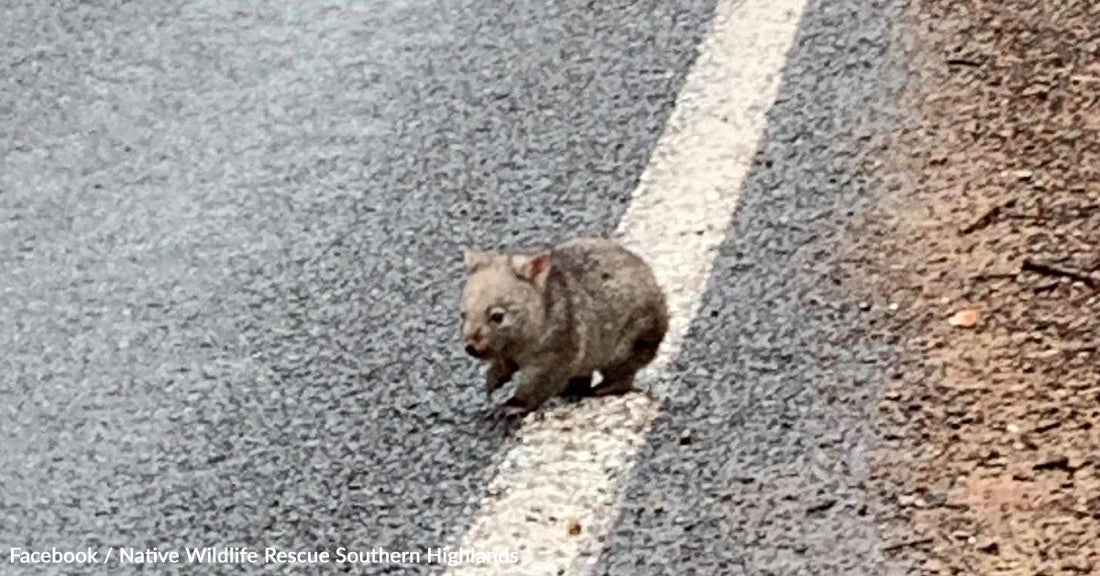
When a driver noticed a small ball of fluff near a busy road, they quickly realized it was something far more delicate and urgent — an orphaned baby wombat in danger. This moment of awareness sparked a chain of events that would lead to a remarkable rescue, thanks to the quick thinking of a concerned traveler and the expertise of a seasoned wildlife carer. For anyone passionate about animal rescue stories or curious about how wildlife professionals respond in the field, this account offers a powerful glimpse into the compassion and coordination behind saving vulnerable creatures.

Kerstin Schweth, a wildlife carer with over two decades of experience and the founder of Native Wildlife Rescue, was the one who received the call. The traveler had spotted the tiny animal alone near the road, and Schweth didn’t hesitate. “I immediately sprung into action,” she shared in a Facebook post. Responding swiftly to wildlife emergencies is second nature to Schweth, whose organization is dedicated to protecting native animals in distress.

By the time she arrived at the scene, however, the baby wombat had already vanished into the dense rainforest brush nearby. Undeterred, Schweth began searching the area, determined to find the little one before it was too late. Her efforts paid off when she caught a glimpse of brown fur darting into a muddy burrow. The baby wombat, frightened and alone, had taken refuge underground.

Schweth made a quick decision to retrieve a large net and returned to the burrow. She waited patiently, lowering the net gently each time the baby peeked out. But the joey, overwhelmed and confused, retreated deeper into the burrow, unable to understand that help was just a few steps away. At this point, Schweth knew she needed backup.
She called on her rescue partner, Lorraine, who arrived with buckets to block the burrow's entrance, ensuring the wombat couldn’t escape further into the forest. With additional supplies and another helper on hand, they constructed a more elaborate trap to safely contain the animal. Then came the hardest part — waiting overnight, hoping the plan would work.
The next morning brought a mix of anxiety and anticipation. When Schweth returned, she found the baby wombat cold, wet, and curled up inside the trap. The moment was both a relief and a wake-up call. “I was shocked to see how small the little wombat actually was,” Schweth told The Dodo. Despite her years of experience, the fragility of the joey left a lasting impression.
Cradling the tiny animal in her puffy jacket, Schweth transported her to Lorraine’s home, where the team began the process of stabilizing the baby. They used glucose powder to help her regain strength and warmth — an essential step in wildlife rehabilitation. The wombat, now named Hope, began to show signs of recovery, drinking well and exploring her new surroundings.
Hope’s journey is far from over, but she’s already made significant progress. According to Schweth, the next step is to pair her with another orphaned wombat joey. This companionship is vital, as it allows the animals to bond with their own kind and reduces their dependency on human caretakers. It’s a thoughtful approach that reflects the deeper understanding wildlife rescuers have of the emotional and developmental needs of young animals.
Stories like Hope’s highlight the critical role that wildlife carers play in ensuring the survival of native species. The rescue process is often complex, requiring not just skill and experience but also patience and empathy. In this case, it also depended on community awareness — the traveler who made the initial call demonstrated how everyday people can be the first line of defense for animals in peril.
I found this detail striking: the way Schweth and her team adapted their rescue strategy based on the wombat’s behavior. It speaks to the dynamic nature of wildlife rescue, where each situation demands its own unique solution. The use of barriers, traps, and gentle handling underscores the balance between urgency and care that defines this kind of work.
Hope’s story is ultimately one of resilience and connection. From a frightened joey hiding in the mud to a growing wombat on the path to recovery, her journey reminds us of the profound impact that timely intervention and compassionate care can have. Schweth named her Hope in honor of other orphaned wild animals who might feel lost or alone — a fitting tribute that adds emotional depth to an already moving story.
In a world where wildlife often faces increasing threats from habitat loss and human activity, the efforts of dedicated carers like Schweth offer a reason to be hopeful. Their work doesn’t just save individual animals; it helps preserve the delicate balance of native ecosystems. And for those inspired by Hope’s rescue, it’s a gentle reminder that compassion, vigilance, and quick action can make all the difference.