
Record Number of Orphaned Bear Cubs Find Care at Colorado Rescue Center
Guest Contributor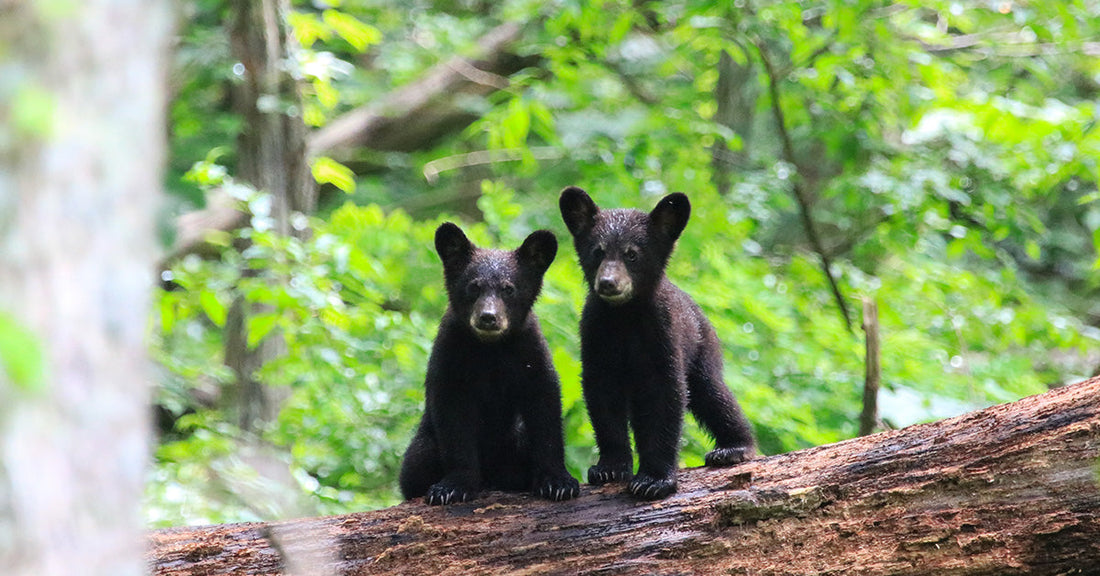
Across south-central Colorado, a quiet but extraordinary effort is unfolding as a wildlife rehabilitation center cares for a record number of orphaned bear cubs. At the Frisco Creek Wildlife Rehabilitation Center, staff and volunteers are currently raising 47 young bears. For a facility that typically sees about 20 orphaned cubs in an average year, this surge reflects what Colorado Parks and Wildlife (CPW) has called the state’s worst year of human-bear conflict on record. The plight of these orphaned bear cubs, and the people working to give them a second chance, illustrates how closely human activity, climate stress, and wildlife survival are now intertwined.
For 15 years, Frisco Creek has taken in cubs from across Colorado, including years with as few as four and as many as 40. This year’s total surpasses anything the facility has previously experienced. The increase in cubs at the center mirrors another troubling record. By late September, CPW had logged 10,820 reports of bear sightings or conflicts. That figure is more than double the number from the previous year and signals how difficult coexistence has become for both residents and wildlife.
Conflict can take many forms, from bears rummaging through trash to breaking into homes. CPW reports that the number of bears euthanized as a result of conflicts has more than doubled this year. When adult bears are killed after entering homes or repeatedly threatening public safety, their cubs are often left behind. Wildlife officers, who are responsible for responding to these conflicts, regularly describe euthanizing a bear as one of the hardest parts of their work. According to Frisco Creek Facility Manager Michael Sirochman, many of those officers are deeply grateful that the center exists as a place where orphaned cubs can be sent rather than left to fend for themselves.

Photo:
Colorado Parks and Wildlife
Vehicle strikes are another harsh reality contributing to the growing number of orphaned bears. As development spreads and traffic increases, roads cut across the habitats that bears and other wildlife depend on. When a mother bear is struck and killed, cubs that survive the initial accident may still be too young or too weak to make it on their own, which leads them to rehabilitation centers like Frisco Creek.
This year has also brought a different and particularly troubling pattern. CPW reports that more cubs are simply being abandoned by their mothers. The agency traces this to a widespread food failure driven by historic drought, late spring freezes, and multiple large wildfires. These combined stresses have sharply reduced natural food sources such as acorns, serviceberries, chokecherries, and plums. Mark Vieira, CPW’s Carnivore and Furbearer Program Manager, stated that staff surveys of bear food availability around the state indicate that 2026 will be remembered as the worst year for natural bear foods since surveys began in 2008, with many areas reporting complete failures in the plants bears usually rely on.
This food shortage has forced bears to range farther and take greater risks seeking calories, pushing them into neighborhoods and towns where human-bear conflict is more likely. It has also weakened mothers and young bears, increasing the chances that cubs will be abandoned or separated. The phrase “widespread food failure” used by CPW captures just how severe this disruption has been for Colorado’s bear populations.
The story of the 47 bears at Frisco Creek began early in the year. The first arrival was a six-pound cub from Evergreen in mid-April. Most of the facility’s patients in a typical year are very young cubs, but in 2026, many yearlings in poor condition have also been brought in. These older juveniles should normally be preparing for independence, yet instead are arriving underweight, injured, or weakened by the lack of food in the wild.
Among the most memorable cases is a yearling that suffered burn injuries to all four paws in the Aspen Acres Fire near Beulah this summer. By the time he reached Frisco Creek, veterinarians could see that his paws were already beginning to heal, which gave them hope. CPW Field Veterinarian Dr. Jane Riner described how the team used special wound dressings to protect his paws from infection and applied multi-wavelength light therapy to speed healing. Within nine days, the staff were able to remove the bandages, and the bear could walk comfortably again.
When this yearling arrived at the center in mid-July, he weighed only 31 pounds, far below what would be expected for a bear his age. Under care at Frisco Creek, he has now reached 120 pounds. Staff noted that he was notably tolerant of frequent bandage changes, a contrast to many wild animals that will immediately try to remove any coverings or medical devices. That tolerance may have aided his recovery as much as the treatments themselves. With his burns healed and his weight now robust, CPW’s plan is to release him in late November, timed so that he can “den up” and enter hibernation in as natural a way as possible.
Another bear at Frisco Creek arrived with a broken leg. A Custer County Sheriff’s deputy found the cub limping and in distress along a highway. The cub was malnourished, dehydrated, and clearly in pain. She underwent surgery, and according to Frisco Creek intern Elyana Pollard, her healing has gone well. The limp has disappeared, her mobility appears normal and pain free, and she has gained enough weight to be described as “chubby, fluffy and ready for hibernation.” Out of caution, she will remain at the facility through the winter so staff can ensure her leg is fully healed, with hopes for release back into the wild in the spring.
The 47 cubs at Frisco Creek represent nearly every corner of Colorado’s landscape. Twenty-one have come from CPW’s Southeast Region, 18 from the Northeast, seven from the Southwest, and one from the Northwest. Many additional cubs from northwest Colorado were sent to a separate private rehabilitation facility in Silt, the Pauline S. Schneegas Wildlife Foundation. Together, these centers are forming a safety net for young bears at a time when climate pressure and human encroachment are increasing strain on wildlife.
Frisco Creek itself sits in the San Luis Valley and is staffed by CPW employees as well as volunteers. This year, the center did not receive any bobcats, mountain lions, or red foxes. As a result, every mammal pen at the facility could be dedicated to bear cubs. Staff also finished modifications to several pens that were originally built for other species and not particularly useful for bears. These improvements allowed the facility to accommodate a record number of cubs without turning animals away.
Behind the statistics and medical updates, there is a clear emotional and ethical thread. Staff at Frisco Creek describe their work in terms of second chances and relief that orphaned cubs have somewhere to go. At the same time, they recognize that a year like this is not sustainable as a new normal. Sirochman has expressed hope that future years will return to more average numbers of cubs in need, around 20 or fewer, rather than the 47 currently under care. Those hopes reflect not only the capacity limits of rehabilitation centers but also a desire for a Colorado where fewer bear families are broken by food failures, fires, vehicles, and conflict.
These stories of injured and orphaned bears underscore how fragile the balance between people and wildlife has become, especially during years of drought and ecological disruption. They also highlight the dedication of the professionals and volunteers who step in when that balance fails. As these 47 cubs prepare for hibernation, recover from injuries, or await eventual release, their journeys are a reminder that every orphan helped at a place like Frisco Creek is a small but powerful act of stewardship in a state that is still learning how to live alongside its wild neighbors.