
Rescuers Cannot Reach a Trapped Kitten Until Mechanics Start Taking the Engine Apart
Guest Contributor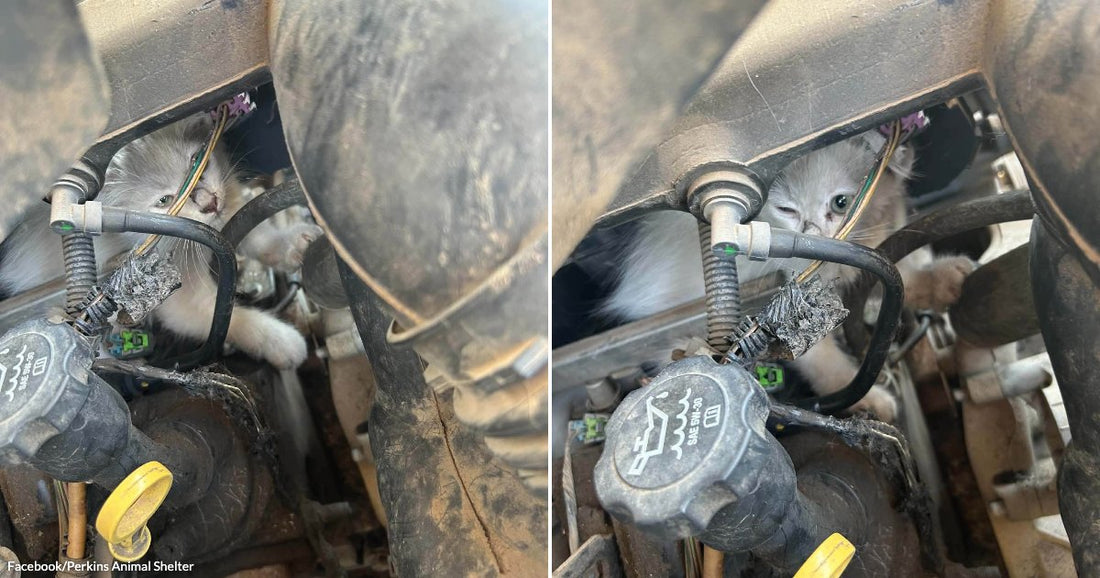
On a scorching day in Perkins, Oklahoma, one tiny kitten’s search for relief turned into a tense rescue story. According to local reports, the young cat crawled into a parked car’s engine compartment to escape the heat, then became lodged so tightly that she could not get herself out. The incident highlights a reality many drivers never think about: an engine bay can look like a shaded refuge to a small animal, yet it is one of the most dangerous hiding places around a vehicle.
As temperatures climb, animals often seek out any spot that seems cooler or more secure. For this Oklahoma kitten, that spot was beneath a car hood. The engine area offered shade from the sun and a sense of enclosure that may have felt like safety. Once inside, however, the kitten’s hip became trapped among the engine parts. She could cry for help, but she could not move. This is a common theme in animal rescue stories involving cars, where a vehicle’s protective shell for people can turn into a maze of hazards for small creatures.

Staff from the Perkins Animal Shelter were called to the scene first. They tried to free the kitten using careful, noninvasive methods, but the animal was wedged in so tightly that those initial attempts did not work. Each movement risked causing injury. The rescuers had to balance urgency with caution, knowing that tugging too hard could harm the animal, yet waiting too long could leave her at risk from the heat or nearby parts. I found this detail striking because it underscores how delicate engine rescues can be, even for experienced shelter teams.
Recognizing that they needed more specialized help, the team turned to a local automotive shop, Nostalgic Auto Garage. Mechanics there stepped in and began loosening sections of the engine so that rescuers could create enough space to reach the kitten safely. This collaboration between animal shelter staff and trained mechanics became the turning point in the story. Rather than forcing the kitten out, they adjusted the surrounding machinery, making the environment safer before attempting removal.

With parts of the engine shifted and carefully handled, rescuers were finally able to reach the trapped animal. The kitten was extracted from the cramped engine compartment and immediately taken back to the shelter for examination. Staff identified the animal as female and reported that she did not appear to have any injuries, a fortunate outcome given how dangerous an engine bay can be. After her exam, shelter workers brought her into air conditioning where she could rest, cool down, and recover from the ordeal in safety.
Engine compartments are not designed with animals in mind. They often include sharp edges, confined spaces, and components that can move, heat up, or pinch. These areas provide little room to maneuver, especially for frightened animals that may panic and wedge themselves even deeper to feel secure. This combination of tight spaces and complex machinery is why an engine rescue can be difficult both for the animal and for the people trying to help. Even when the car is turned off, the physical layout inside the bay can turn a simple hiding place into a dangerous trap.

Stories like this one from Oklahoma remind drivers to stay alert, especially in areas where stray cats or kittens are often seen. When parking outdoors, a quick walk around the vehicle can make a difference. Looking near the tires, beneath the chassis, and around wheel wells may reveal an animal that has decided to curl up in the shade. Some people also pay attention to unusual sounds such as faint meowing or rustling when they approach their car, since these can be early signs that an animal is nearby or stuck in a tight space.
If there is any sign that an animal might be trapped within a car’s mechanical parts, experts generally urge caution. Attempting a solo rescue inside an engine compartment or other tight mechanical space can be risky. Not only could a rescuer be injured by sharp components or sudden shifts, but the animal could also be harmed if pulled or prodded in the wrong way. Contacting an animal shelter, a rescue group, or a trusted mechanic can help reduce the risk to everyone involved. The Perkins rescue illustrates how combining animal welfare expertise with mechanical skills can lead to the safest possible outcome.
People who encounter stray animals during hot weather can support them in simpler ways as well. If it is safe to do so, offering clean water can help a distressed animal cope with the heat. Reaching out to local shelters to report animals that seem trapped, overheated, or injured gives professionals a chance to intervene. These organizations often have experience with unusual situations, from animals in storm drains to those stuck under buildings or inside structures, and they can coordinate with other local resources when necessary.
Vehicle related animal rescues happen more often than many realize. The Oklahoma kitten is one example among many that show how quickly a cramped, hidden space can turn into a life threatening environment. In Galleywood, England, one indoor cat reportedly survived a 15 mile trip beneath a family’s car, clinging to the underside of the vehicle without anyone noticing at first. In Hampton, children heard cries near a storm drain and alerted adults, allowing firefighters to lure a stranded kitten to safety. In Tennessee, firefighters faced a different challenge when a baby opossum became trapped inside a fire truck engine, an incident that mirrored the complexities seen in the Perkins case.
Each of these stories involves a different place and a different animal, yet they share the same core lesson. Curious, frightened, or overheated animals can end up in locations no one would think to check at first, from storm drains and wheel wells to engine bays and undercarriages. The outcome often depends on two key factors: someone noticing a sound or movement that seems out of place, and people responding quickly but carefully. When local residents, shelters, firefighters, and mechanics all play a part, as they did for the Oklahoma kitten, the chances of a safe rescue increase significantly.
This recent incident in Oklahoma is a gentle reminder for anyone who drives or parks outdoors during extreme weather. A shaded spot under a car or inside an engine compartment may look like a sanctuary to a small animal, even though it is filled with hidden dangers. By taking a moment to look and listen before starting a vehicle, and by reaching out to professionals when something seems wrong, people can help prevent tragedy and support the safety of animals that share their neighborhoods. Read more at https://malaysia.news.yahoo.com